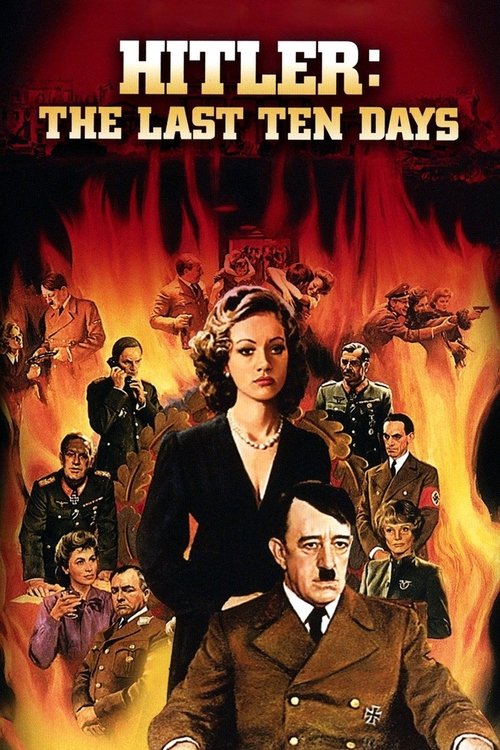
Hitler: The Last Ten Days
1973
No user ratings available yet
Representation score: 0.5 out of 10

Representation Score
Minimal
1944
Director
John Farrow
Runtime
101 minutes
Average Rating
No ratings yetNew Showbiz Analysis
The Hitler Gang serves as a wartime propaganda piece aimed at exposing the criminality of the Nazi regime. Its primary goal is geopolitical messaging, so it does not prioritize progressive representation or diverse identities. The film relies on traditional hierarchies and homogeneous casting to convey its message. It adheres to the rigid social frameworks of 1944, focusing on a single political conflict through a conventional lens. Ultimately, the work reinforces the moral standing of Allied powers rather than exploring diverse social perspectives or challenging established power structures.
Category Breakdown
The film focuses entirely on the political maneuvers of Nazi leadership. There are no LGBTQ+ characters or explorations of non-traditional gender identities.
The film centers power almost exclusively in male figures within a patriarchal setting. Women play supporting roles without much influence over the plot.
The cast is almost entirely made up of white European actors. It lacks racial or ethnic diversity, focusing specifically on the European geopolitical conflict.
The narrative critiques the Nazi regime as a criminal enterprise, reinforcing the moral standing of Allied powers. It supports Western democratic stability without challenging Western institutions.
There are no visible depictions of physical or neurodivergent disabilities. Disability is not used as a narrative device or character trait.
Present on Screen
Limited or Absent
Official Synopsis
The Hitler Gang adopts the style of a gangster film as it charts Adolf Hitler’s rise from small-time politico to dictator of Germany.
1973
1951

1955
1969
1955
1935
1985
1962
No reviews yet. Be the first to share your thoughts on this movie!
Use the rating form above to leave a star rating and optional review.