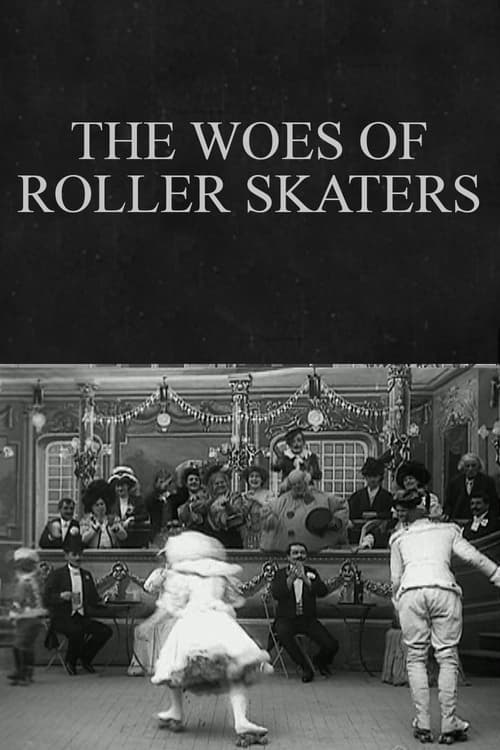
Les infortunes des patineurs
1908
No user ratings available yet
Representation score: 2.0 out of 10

Representation Score
Minimal
1907
Director
Louis J. Gasnier
Runtime
6 minutes
Average Rating
No ratings yetNew Showbiz Analysis
Max Learns to Skate is an early example of slapstick comedy. Its main goal is physical humor and the disruption of social order through chaos, rather than exploring complex identities. The film does not intentionally represent diverse identities or engage with complex identity politics. Instead, it reflects the homogeneous demographics and traditional social hierarchies common in early French cinema.
Category Breakdown
The film does not include any LGBTQ+ characters or stories. It sticks to the typical comedic themes of 1907, focusing on traditional social interactions.
The story revolves around Max's chaotic adventures on a frozen lake. Slapstick humor often undermines masculine competence through clumsiness, but the film likely follows the gender roles typical of its time.
The cast probably mirrors the homogeneous demographics of early 20th-century French cinema. There is no mention of ethnic diversity or race-bent casting.
The film uses a motif of disrupting social order through comedic chaos. This focuses on individualistic play rather than critiquing Western institutions systematically.
There is no evidence that neurodivergence or physical disabilities play a central role in this short film.
Present on Screen
Limited or Absent
Official Synopsis
Max causes havoc when he joins other skaters on a frozen lake.
1908
1907
1896
1901
1907
1906
1910

1911
No reviews yet. Be the first to share your thoughts on this movie!
Use the rating form above to leave a star rating and optional review.