China's Van Goghs
2016
No user ratings available yet
Diversity score: 5.7 out of 10
2009
Director
Kwan Pung-Leung, Chiang Hsiu-Chiung
Runtime
90 minutes
Average Rating
No ratings yetSynopsis
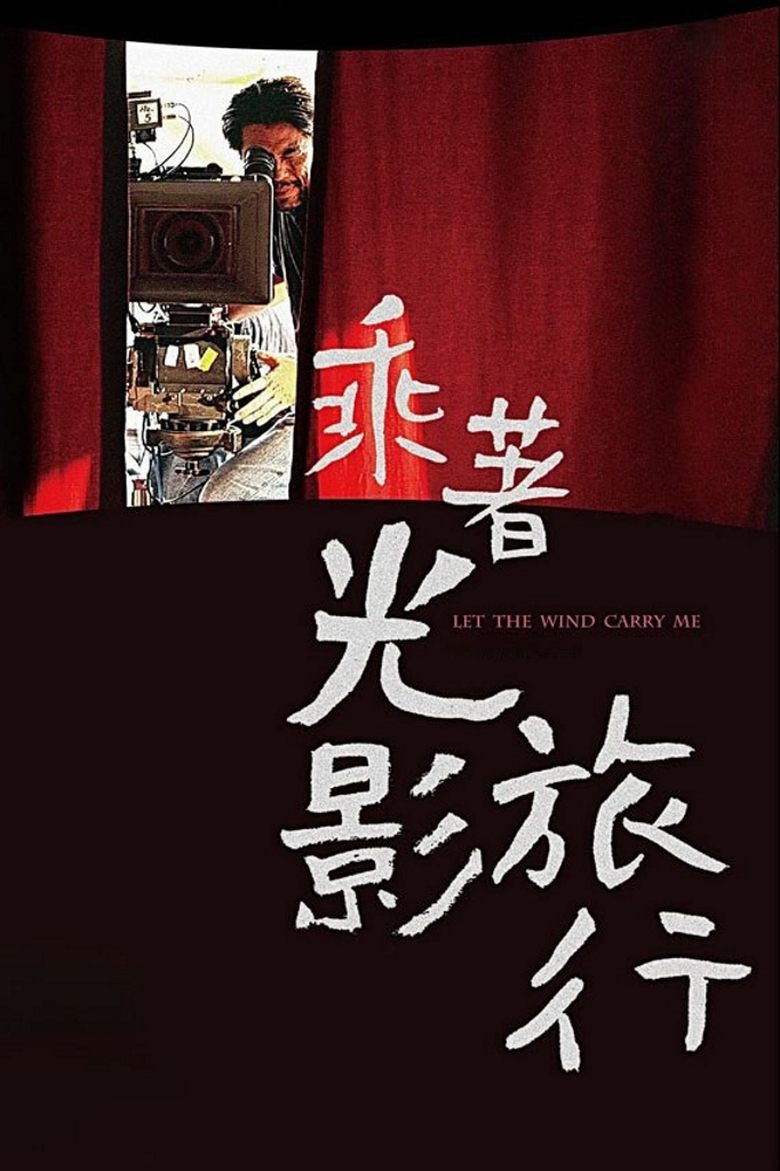
Focusing on Mark Lee Ping-bin, one of the most talented and prolific cinematographers in Asia, the movie details the itinerant lifestyle of a deeply observant and philosophical artist and the tolls that his profession takes on his family life.
Overall Score
Good
Category Breakdown
LGBTQ+ Representation
The documentary focuses on the professional and familial life of Mark Lee Ping-bin. There is no explicit evidence of LGBTQ+ characters or narratives within the film's scope.
Gender Representation
The film examines the friction between professional ambition and domestic stability. It explores how a high-level career impacts a spouse and children, offering a complex view of gendered roles.
Racial & Ethnic Diversity
By centering on a prolific Asian cinematographer, the film disrupts Eurocentric hegemony in high-art cinema. It grants significant agency to an Asian subject, highlighting his technical and philosophical mastery.
Religious & Cultural Diversity
The narrative prioritizes an itinerant, philosophical worldview over rigid institutional structures. It explores how modern professional demands can disrupt traditional social and familial cohesion.
Disability Representation
There is no mention of characters or subjects navigating physical or neurodivergent disabilities.
Strengths
Areas for Improvement
AI Analysis
Let the Wind Carry Me is a profound study of artistic temperament and the human cost of creativity. Its primary strength is shifting the cinematic gaze toward an Asian master, effectively challenging Western-centric hierarchies in film history. The documentary succeeds in providing high agency to its subject, framing his technical mastery as central to global cinematic dialogue. This elevates non-Anglo-centric perspectives within the broader canon of high-art cinema. However, the film remains largely neutral regarding identity politics. While it offers a sophisticated look at the disruption of domestic norms, it does not explicitly engage with LGBTQ+ or disability-focused narratives.
2016

2010

2014
1989
2017
2007
1995
2018
2013
2008

2012
2021
No reviews yet. Be the first to share your thoughts on this movie!
Use the rating form above to leave a star rating and optional review.