In Search of Ozu
2018
No user ratings available yet
Representation score: 4.9 out of 10
Representation Score
Fair
1983
Director
Kazuo Inoue
Runtime
123 minutes
Average Rating
No ratings yetNew Showbiz Analysis
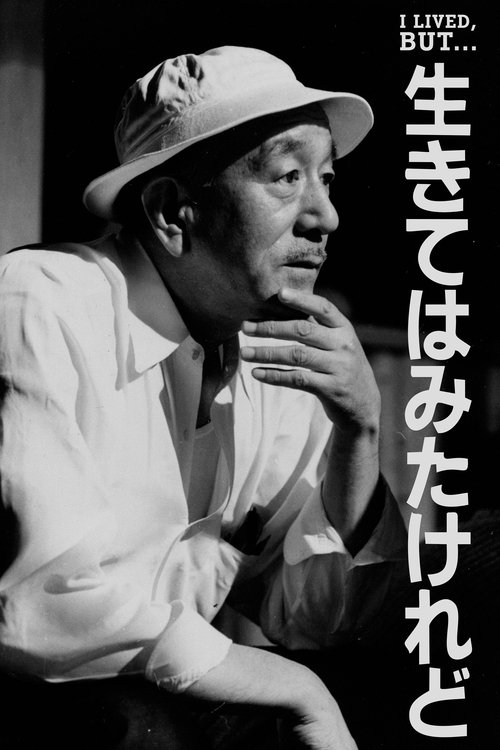
I Lived, But... serves as a specialized archival study that challenges conventional biographical expectations. Instead of reinforcing a top-down hierarchy of artistic merit, the film prioritizes the voices of the collective. The documentary's strength lies in its structural decision to center the human impact of art over technical achievement. By focusing on how Ozu affected his collaborators, the film offers a sophisticated departure from standard Western biographical frameworks. However, the film remains a historical tribute that does not explicitly engage with contemporary identity politics. Its focus on professional legacy means it lacks specific representation regarding LGBTQ+ or disability-related narratives.
Category Breakdown
The documentary focuses on the professional legacies and personal relationships surrounding Yasujirō Ozu. It does not include any explicit LGBTQ narratives or representations of non-cisgender identities.
The film explores the lives of those who worked with Ozu, providing potential for nuanced character studies. However, the specific gender distribution of interviewees remains unverified.
As a Japanese production, the film centers on Japanese cinematic history and the lived experiences of local film professionals, offering a non-Western perspective.
The narrative deconstructs the traditional 'auteur' hierarchy by focusing on the collective experience. It shifts the focus from Ozu's individual achievements to his impact on collaborators.
There is no evidence regarding the portrayal of physical or neurodivergent disabilities in this documentary.
Present on Screen
Limited or Absent
Official Synopsis
An extremely lovely tribute to Ozu, on the 20th anniversary of his death. It uses a combination of footage from vintage films and new material (both interviews and Ozu-related locations) shot by Ozu's long-time camera-man (who came out of retirement to work on this). Surprisingly (or perhaps not), it focuses less on Ozu's accomplishments as a film-maker than on his impact on the lives of the people he worked with..
2018

1985
2019
2008
1975
2023
2006
1994
No reviews yet. Be the first to share your thoughts on this movie!
Use the rating form above to leave a star rating and optional review.