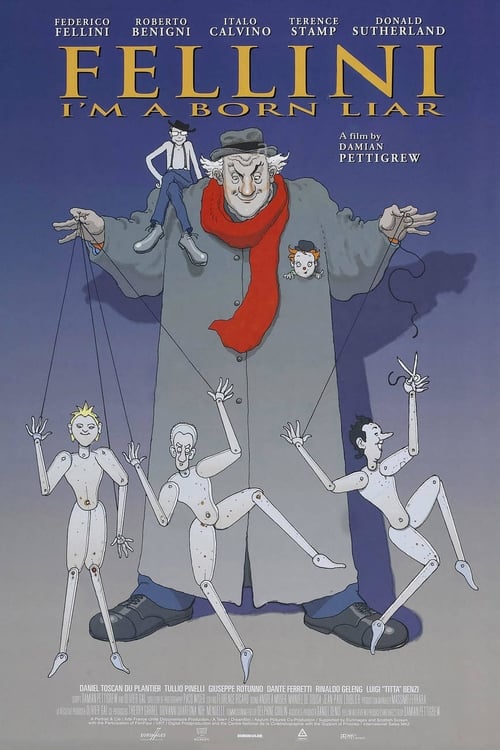
Fellini: I'm a Born Liar
2003
No user ratings available yet
Diversity score: 5.3 out of 10
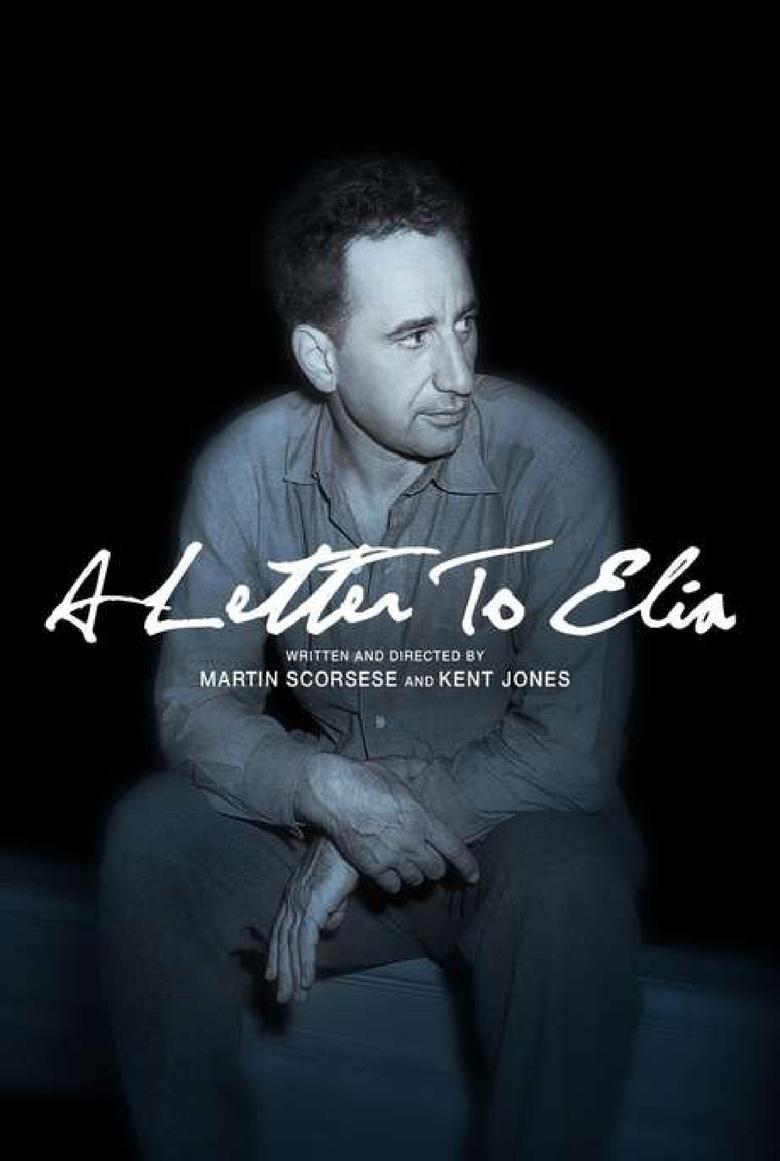
2010
Director
Martin Scorsese, Kent Jones
Runtime
60 minutes
Average Rating
No ratings yetSynopsis
Director Martin Scorsese speaks candidly and passionately about one of his formative filmmaking influences: the late Elia Kazan. Utilizing precisely chosen clips from Kazan's signature films including "On the Waterfront," "A Streetcar Named Desire," "Gentleman's Agreement," "Baby Doll," "A Tree Grows in Brooklyn," "A Face in the Crowd," "America, America," and "The Last Tycoon," and interview footage of the director himself, co-directors Scorsese and Kent Jones recount the director's tumultuous journey from the Group Theatre to the Hollywood A-list to the thicket of the blacklist. But most of all, they make a powerful case for Kazan as a profoundly personal artist working in a famously impersonal industry.
Overall Score
Fair
Category Breakdown
LGBTQ+ Representation
The film touches on the subtext of mid-century social norms and the scrutiny of personal identities during the Blacklist era. However, it lacks explicit depictions of non-cisnormative identities within its own narrative structure.
Gender Representation
The documentary examines Kazan’s direction of female talent and his engagement with complex female protagonists. While it analyzes gender hierarchies in his films, the documentary itself remains a male-driven scholarly reflection.
Racial & Ethnic Diversity
By analyzing films like America, America, the documentary engages with the ethnic and racial textures of mid-century cinema. It contextualizes Kazan’s work within the fraught history of Hollywood representation.
Religious & Cultural Diversity
The film avoids a purely celebratory narrative by addressing systemic pressures and political scrutiny. It explores the tension between individual agency and institutional power during the Blacklist era.
Disability Representation
There is no evidence regarding the representation of visible or invisible disabilities within this documentary.
Strengths
Areas for Improvement
AI Analysis
A Letter to Elia serves as a sophisticated piece of cinematic historiography rather than a simple tribute. By focusing on the complexities and controversies of Elia Kazan’s career, Scorsese and Jones move beyond traditional hagiography to explore the systemic tensions of the 20th century. The film succeeds in providing historical depth, particularly regarding how personal and political identities intersected with the Hollywood industry. It uses Kazan's filmography to examine broader cultural textures, including racial and gendered hierarchies. However, the documentary's focus is primarily scholarly and retrospective. While it engages with the social pressures of the era, it lacks direct representation of diverse identities within its own contemporary narrative framework.
2003

1990
2018

2022

2013
2016

2015
2023

2018

2016
2019

2007
No reviews yet. Be the first to share your thoughts on this movie!
Use the rating form above to leave a star rating and optional review.