
A Message from Akira Kurosawa: For Beautiful Movies
2000
No user ratings available yet
Representation score: 3.5 out of 10
Representation Score
Fair
2011
Director
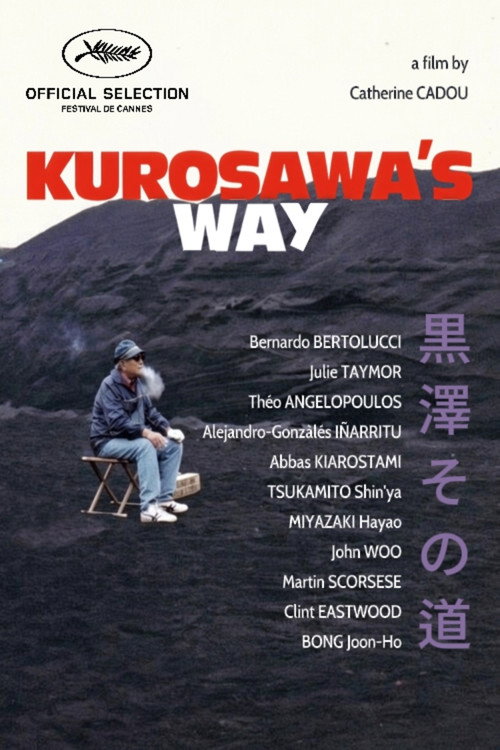
Catherine Cadou
Runtime
52 minutes
Average Rating
No ratings yetNew Showbiz Analysis
Kurosawa's Way serves as a sophisticated cultural document that challenges the notion of a Western-dominated film history. By focusing on a Japanese master, it elevates non-Western perspectives and presents a multi-polar view of global artistic influence. The film's strength lies in its structural commitment to internationalism, creating a globalized dialogue between creators from different continents. However, it remains a scholarly examination of craft and does not explicitly engage in identity-driven social critique or address specific social demographics like LGBTQ+ or disability representation.
Category Breakdown
The documentary focuses on film theory and biographical influence. It does not include explicit LGBTQ+ character arcs or narratives about identity-based storytelling.
The film showcases a diverse range of filmmakers from various continents. While the main subject is a male director, the international interviewees highlight a broad professional landscape.
The documentary excels by fostering a dialogue between filmmakers from Asia, Europe, and America. This structure actively challenges Western-centric views of cinematic history.
The work promotes cultural cosmopolitanism through a universalist approach to art. It emphasizes a shared, globalized intellectual heritage over singular nationalistic interpretations.
There is no discernible representation of physical or neurodivergent identities within this interview-based documentary.
Present on Screen
Limited or Absent
Official Synopsis
Eleven major film makers from Europe, America and Asia talk about Akira Kurosawa and discover surprising influences on their own work.
2000

1985

2000

2013

1999

2021

1985

1975
No reviews yet. Be the first to share your thoughts on this movie!
Use the rating form above to leave a star rating and optional review.