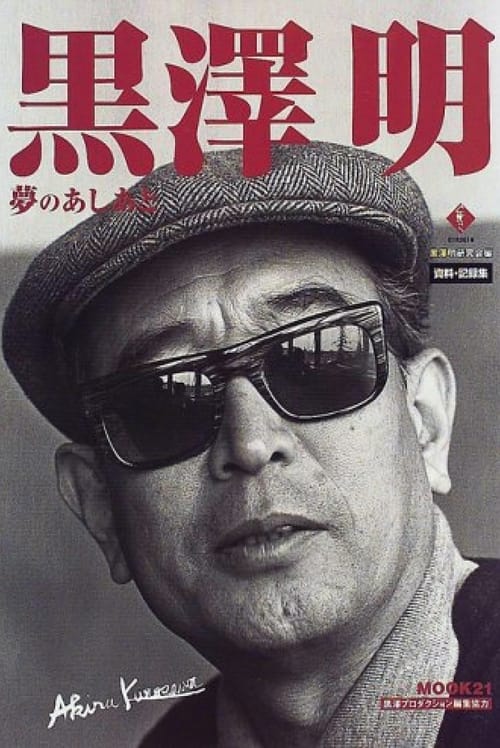
Kurosawa: The Last Emperor
1999
No user ratings available yet
Representation score: 6.2 out of 10
Representation Score
Limited
2000
TV-GDirector
Adam Low
Runtime
115 minutes
Average Rating
No ratings yetNew Showbiz Analysis
This biographical documentary serves as a tool for cultural preservation. Its primary strength lies in its ability to challenge Western-centric cinematic hierarchies by centering a Japanese master's perspective. While the film succeeds in providing a globalized view of film history, it does not actively subvert social or gender norms through scripted character arcs. It functions more as an educational retrospective than a social critique. Ultimately, the film's value is found in its historical appreciation and its role in bridging the gap between Eastern and Western storytelling traditions.
Category Breakdown
The documentary does not include any scripted LGBTQ+ characters or stories. Instead, it focuses on Kurosawa's technical and directorial legacy without exploring non-cisgender identities.
The film offers a moderate examination of Kurosawa's impact on cinema. It highlights women's ability to drive the story and his portrayal of female characters, but it does not directly address gender hierarchies.
By focusing on a Japanese icon, the film challenges Western-centric views of film history. It elevates Japanese cinematic history and disrupts Eurocentric narratives.
The documentary fosters cross-cultural dialogue between Eastern aesthetics and Western structures. It provides insight into Japanese social history and post-war identity.
The film does not focus on disability or neurodivergence. Its themes remain centered on Kurosawa's artistic and historical legacy.
Present on Screen
Limited or Absent
Official Synopsis
Documentary on film maker Akira Kurosawa
1999

1985
2006
2000
2000
2013
2011

1953
No reviews yet. Be the first to share your thoughts on this movie!
Use the rating form above to leave a star rating and optional review.