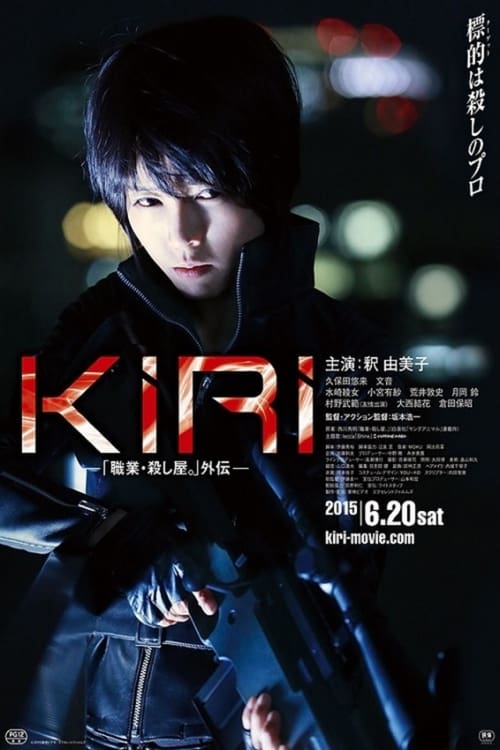
KIRI – Profession: Assassin
2015
No user ratings available yet
Diversity score: 6.0 out of 10
1969
Director
Kimiyoshi Yasuda
Runtime
76 minutes
Average Rating
No ratings yetSynopsis
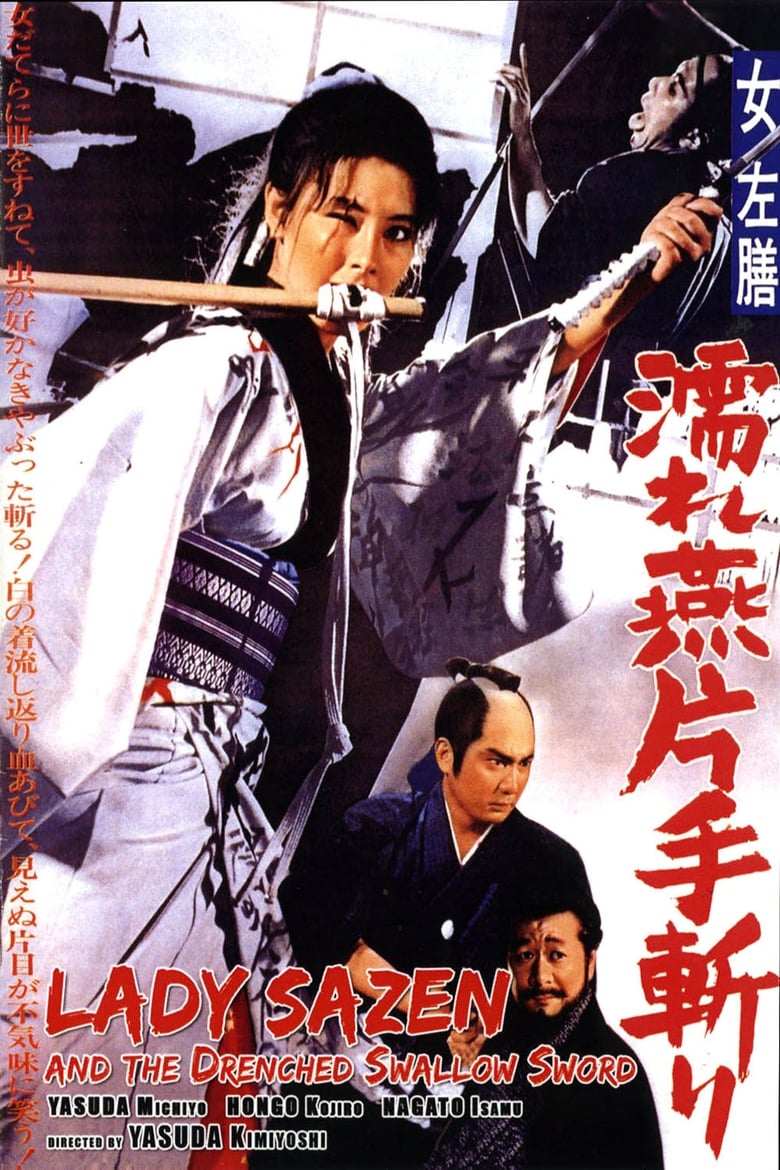
As a child, Okin the one-armed one-eyed swordswoman was disfigured by Lord Daizen-dayu, who was after her family's most treasured possession, the famed Drenched Swallow sword. As an adult, she has become a skilled swordswoman and lives a carefree life with her adopted family. One day, Okin saves a girl from a group of yakuza, and in doing so, gets involved in a grand conspiracy involving religious leaders, government officials, the yakuza and Lord Daizen-dayu, the man who killed her father and mutilated her body...
Overall Score
Good
Category Breakdown
LGBTQ+ Representation
The film lacks explicit evidence of LGBTQ+ identities or same-sex intimacy. The narrative focuses primarily on the protagonist's personal vendetta and survival.
Gender Representation
Okin disrupts traditional gendered agency by serving as a highly skilled, dominant swordswoman. She navigates male-dominated power structures as the primary driver of the plot.
Racial & Ethnic Diversity
As a Japanese production, the film features a culturally homogeneous cast. It maintains high cultural specificity within its historical setting without modern multicultural casting.
Religious & Cultural Diversity
The plot critiques established power structures by linking religious leaders and government officials to a grand conspiracy. It emphasizes chosen kinship over rigid social hierarchies.
Disability Representation
Okin's status as a one-armed, one-eyed warrior is integrated into her identity as a high-agency protagonist. Her disability is a mark of survival rather than a source of mockery.
Strengths
Areas for Improvement
AI Analysis
Lefty Fencer stands out as a subversive entry in the chanbara genre. By centering a female protagonist who possesses immense martial dominance, the film challenges the male-dominated hierarchies typical of 1960s action cinema. The portrayal of disability is particularly sophisticated. Okin is defined by her functional capability and autonomy, using her physical condition as a catalyst for mastery rather than a mere plot device. While the film lacks queer narratives or multi-ethnic casting, its critique of institutional corruption and its nuanced handling of physical difference provide a compelling, character-driven experience.
2015
1973

1972
1967

1976
1964
1995

1963
1994

1968
1964
2007
No reviews yet. Be the first to share your thoughts on this movie!
Use the rating form above to leave a star rating and optional review.