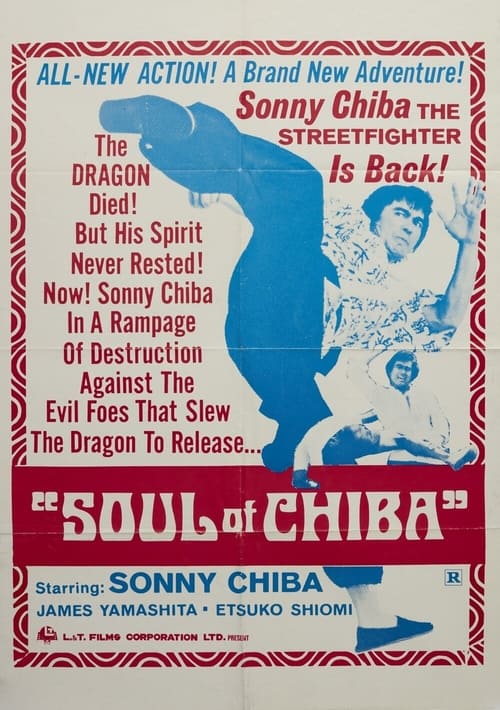
Soul of Chiba
1977
No user ratings available yet
Representation score: 2.9 out of 10
Representation Score
Fair
1976
RDirector
Yutaka Kohira
Runtime
81 minutes
Average Rating
No ratings yetNew Showbiz Analysis
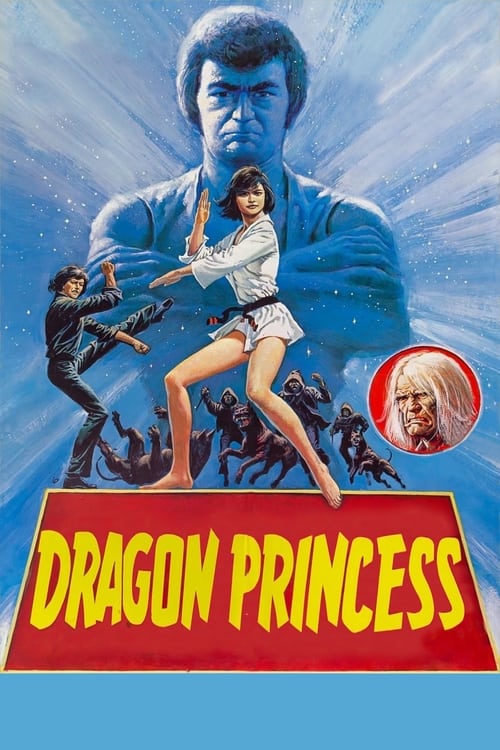
Dragon Princess stands out for its subversion of gender roles within the 1970s action genre. By placing a female practitioner at the center of the vengeance narrative, the film moves away from the cliché of women as passive victims. However, the film remains a product of its era, adhering to traditional cultural and racial frameworks. The cast is culturally homogeneous, and the narrative follows established martial arts clichés regarding honor and familial duty. While the film includes a character with physical disabilities, the representation is tied closely to the plot's momentum. Overall, it is a genre piece that offers significant women's ability to drive the story despite its traditional social setting.
Category Breakdown
The film does not include any LGBTQ+ characters or narratives. It follows a traditional patriarchal structure focused on a father-daughter relationship.
The story challenges traditional gender roles by centering on a female protagonist. She masters martial arts and becomes the main force behind the vengeance.
The production features a culturally uniform Japanese cast. It avoids Western whitewashing but does not actively diversify racial identities.
The narrative operates within traditional martial arts frameworks emphasizing honor and duty. It focuses on personal vengeance rather than secular or anti-capitalist themes.
The father is shown as physically disabled, both crippled and partially blind. His condition serves as a plot catalyst and a driver for the protagonist's growth.
Present on Screen
Limited or Absent
Official Synopsis
A karate master played by Sonny Chiba is attacked and left crippled and blinded in one eye. He trains his daughter with the intention of her avenging not only himself but a murdered friend.
1977
1978
1977

1995

1973
1980
1980

1989
No reviews yet. Be the first to share your thoughts on this movie!
Use the rating form above to leave a star rating and optional review.