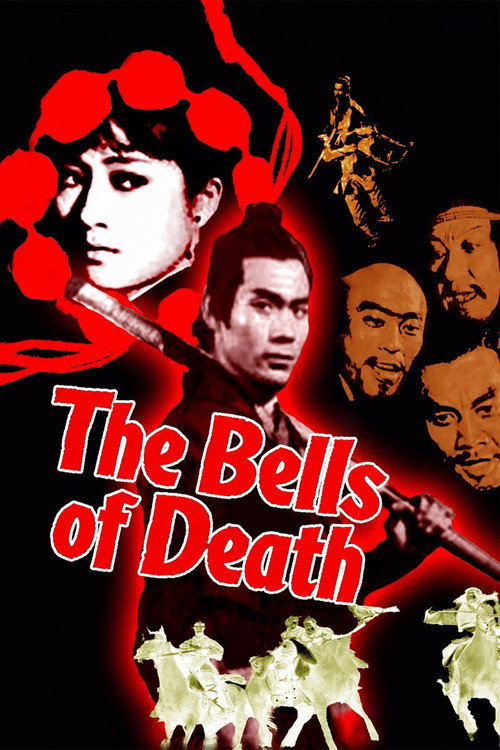
The Bells of Death
1968
No user ratings available yet
Representation score: 1.3 out of 10

Representation Score
Excellent
1972
Director
Griffin Yueh Feng
Runtime
82 minutes
Average Rating
No ratings yetNew Showbiz Analysis
The Young Avenger stands out for its character-driven departures from standard martial arts clichés. The film provides meaningful ability to act to its leads, particularly through a highly capable female protagonist and a protagonist with visible physical disabilities. While the film is deeply rooted in the traditional structures of 1970s Shaw Brothers cinema, it avoids being a mere caricature. The inclusion of a character with physical differences as a central figure is a notable strength for the era. However, the film remains limited by its genre's historical focus, showing no evidence of LGBTQ+ representation. It functions primarily as a localized cultural piece that resists Western cinematic hegemony through its setting and themes.
Category Breakdown
The film does not include any explicit LGBTQ+ identities or narratives focused on queer relationships. The storyline revolves around a traditional revenge plot centered on family honor.
Shih Szu serves as a central, lethal protagonist who drives the plot through her own actions. Her role as a swordswoman challenges the male-dominated clichés of the genre.
The film operates entirely within a non-Western cultural framework. It uses specific cultural markers like the Mid-Autumn Festival to reinforce a localized identity.
The narrative emphasizes personal justice and familial loyalty over institutional law. This reflects the subjective morality common in wuxia storytelling.
A hunchbacked, one-armed protagonist is integrated into the character's identity and combat style. These physical traits are portrayed with ability to act rather than pity.
Present on Screen
Limited or Absent
Official Synopsis
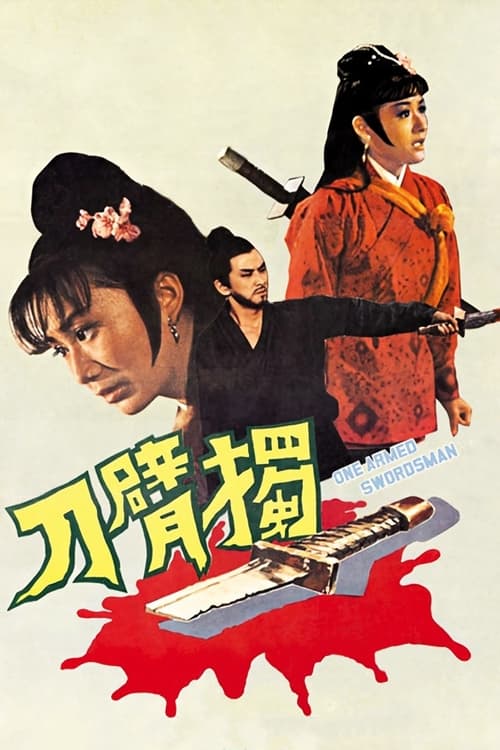
After a career spanning more than forty years and dozens of films as director or writer, Yueh Feng used everything he learned on a final few martial arts epics, of which this is one of the most memorable. It's not easy to forget a hunchbacked, one-armed protagonist, nor the "Poisonous Dragon Sword" style, nor the luminous and lethal Shih Szu as the title swordswoman, who is out to avenge her father's death at the mid-autumn festival.
1968
1967
1976
1978
1972
1980
1980
1995
No reviews yet. Be the first to share your thoughts on this movie!
Use the rating form above to leave a star rating and optional review.