Zatoichi's Flashing Sword
1964
No user ratings available yet
Representation score: 4.3 out of 10
Representation Score
Good
1973
Not RatedDirector
Kimiyoshi Yasuda
Runtime
88 minutes
Average Rating
No ratings yetNew Showbiz Analysis
Zatoichi's Conspiracy excels through its sophisticated handling of disability and its sharp critique of systemic corruption. The protagonist is a powerful agent of change whose blindness is integrated into his skills rather than treated as a weakness. However, the film remains constrained by the period's social norms, with gender roles largely defined by male relationships and a lack of LGBTQ+ representation. Ultimately, the film's strength lies in its anti-authoritarian subtext, using a underrepresented hero to expose the failures of local governance and capitalism.
Category Breakdown
There is no evidence of non-straight or non-cisgender identities or same-sex relationships within the plot.
Female characters like Omiyo serve as emotional anchors and show shared hardships, avoiding stereotypical portrayals.
The casting is ethnically consistent with the historical setting of Edo-period Japan, maintaining authenticity without modern casting norms.
The narrative critiques institutional power by framing legal systems as corrupt and exposing socioeconomic hierarchies.
Zatoichi provides a nuanced depiction of blindness, where his sensory adaptation is central to his competence and ability to act.
Present on Screen
Limited or Absent
Official Synopsis
Zatoichi, the famed blind swordsman, returns to his home village for the first time in many years. He is befriended by Omiyo, who had the same wet-nurse as Zatoichi. He also encounters a boyhood friend, Shinbei, who is now wealthy and appears not to remember Zatoichi. Shinbei seems to be interested in repaying the villagers' debts, but is, in reality, manipulating the ownership of a now valuable rock quarry. Zatoichi learns of the subterfuge and confronts his old friend, who has a score of yakuza swordsmen backing his play.
1964
1962
1989

1972
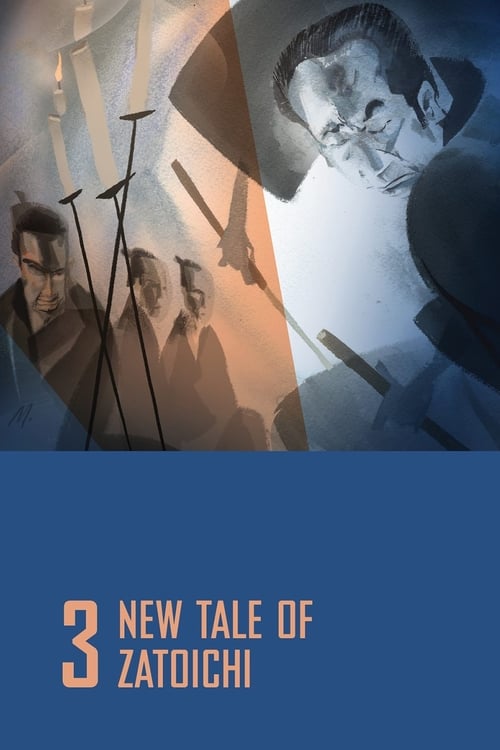
1963
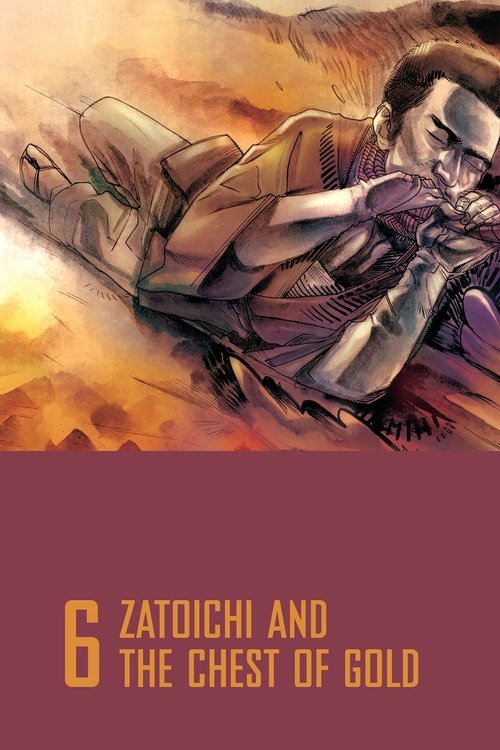
1964
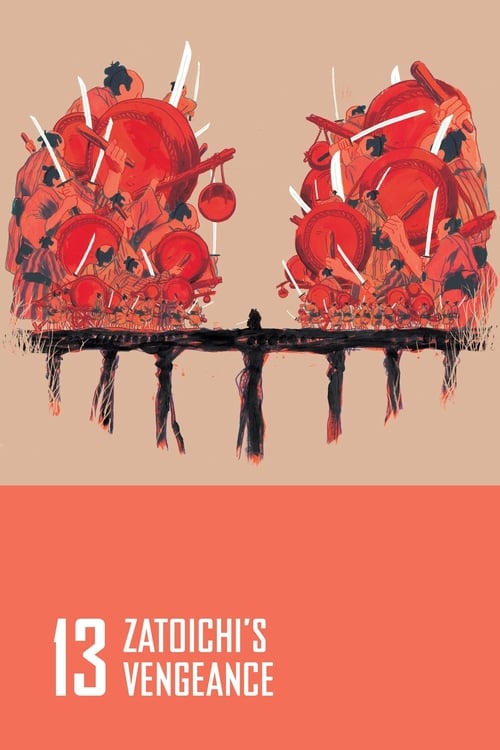
1966
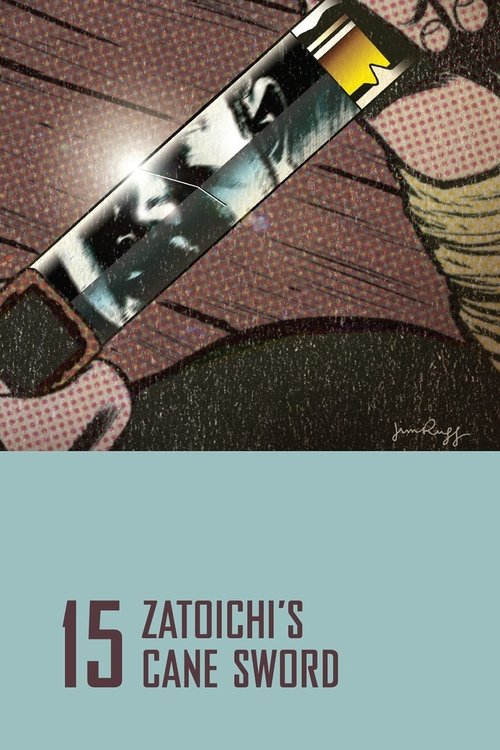
1967
No reviews yet. Be the first to share your thoughts on this movie!
Use the rating form above to leave a star rating and optional review.