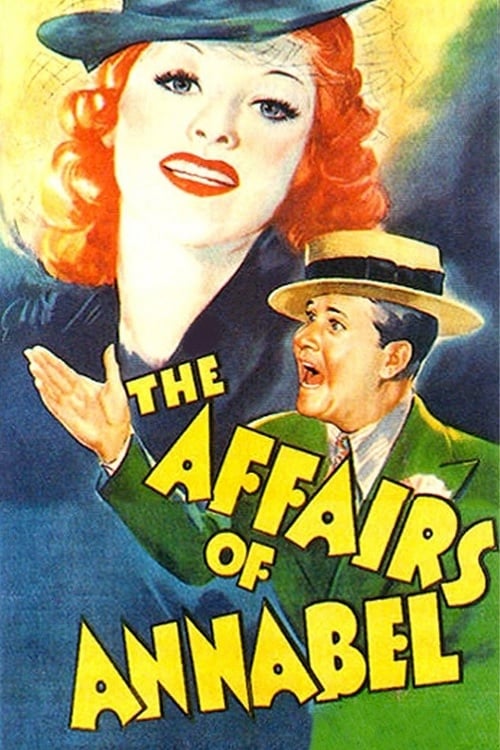
The Affairs of Annabel
1938
No user ratings available yet
Diversity score: 1.8 out of 10
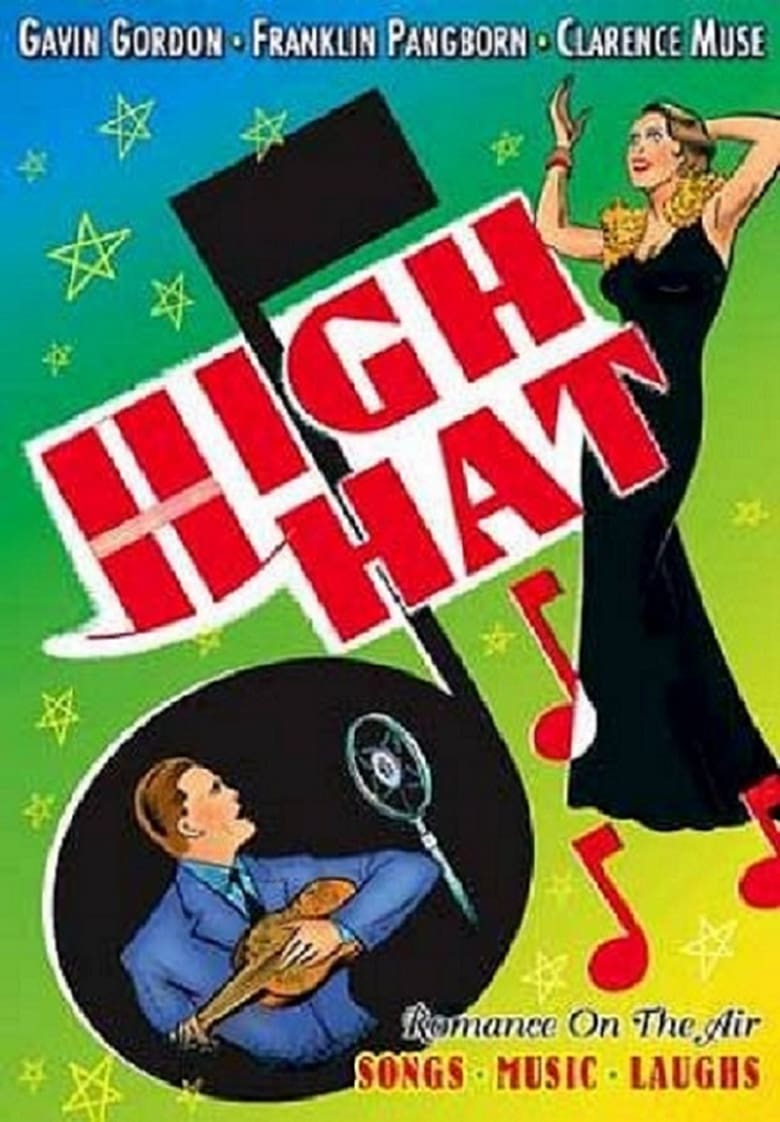
1937
ApprovedDirector
Clifford Sanforth
Runtime
70 minutes
Average Rating
No ratings yetSynopsis
An opera singer whose career is on the wane finds newfound fame doing popular songs on the radio.
Overall Score
Limited
Category Breakdown
LGBTQ+ Representation
The film lacks any evidence of non-cisnormative identities or narratives that challenge heteronormativity. It focuses on professional celebrity rather than identity-based exploration.
Gender Representation
A female opera singer leads the story, but the plot relies on tropes of female vulnerability. The narrative centers on her need for external validation through media fame.
Racial & Ethnic Diversity
The production likely reflects the homogeneous casting standards of 1937. There is no indication of a diverse or non-Anglo-Saxon cast within the narrative.
Religious & Cultural Diversity
The story celebrates individual achievement and the rise of radio culture. It offers no critique of Western institutions or religious structures.
Disability Representation
There is no information regarding the inclusion of characters with visible or invisible disabilities.
Strengths
Areas for Improvement
AI Analysis
High Hat is a standard 1930s musical comedy that follows a conventional professional success arc. The story focuses on an opera singer transitioning to radio stardom, prioritizing commercial entertainment over social commentary. The film operates within the strict social and cultural constraints of its era. It lacks intersectional character agency and does not attempt to disrupt traditional hierarchies, instead leaning into period-typical tropes. Ultimately, the production serves as a snapshot of early 20th-century mass media culture. It lacks the diversity or systemic subversion required to move beyond a traditional, homogeneous narrative.
1938
1940
1940

1943
1934
1932
1936
1934
1946
1934

1936
1941
No reviews yet. Be the first to share your thoughts on this movie!
Use the rating form above to leave a star rating and optional review.