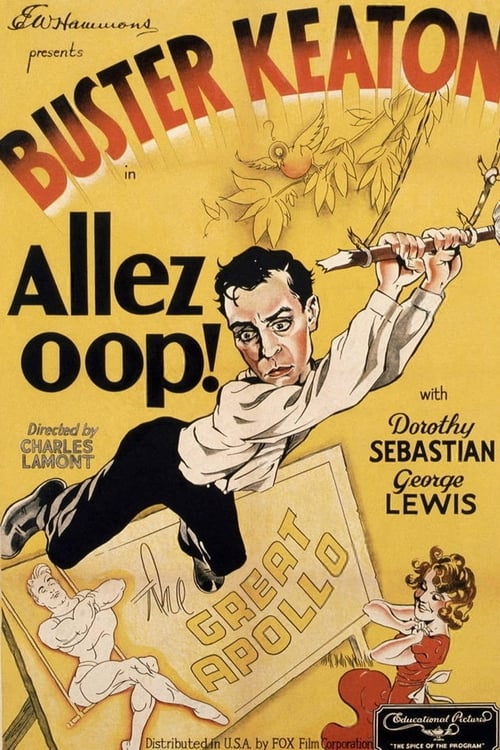
Allez Oop
1934
No user ratings available yet
Diversity score: 1.7 out of 10
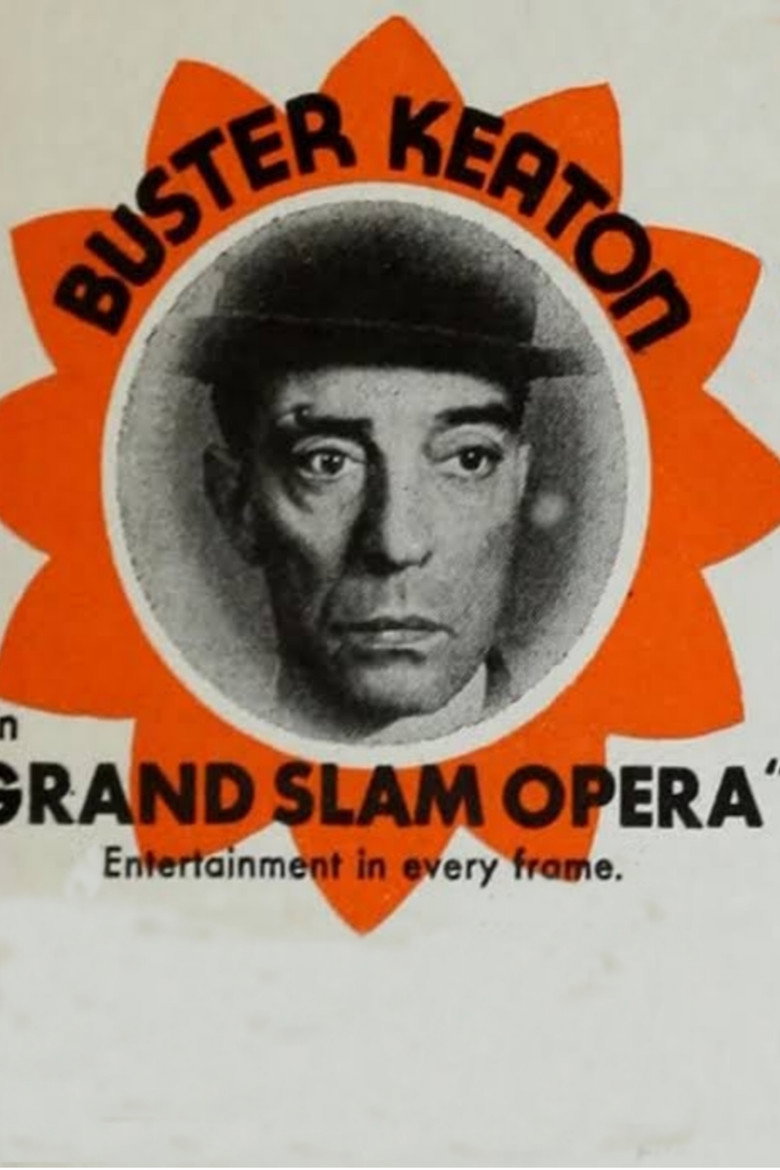
1936
Director
Charles Lamont, Buster Keaton
Runtime
20 minutes
Average Rating
No ratings yetSynopsis
Elmer Butts is a contestant in a radio amateur hour show hoping to win the first price -- by dancing and juggling!
Overall Score
Minimal
Category Breakdown
LGBTQ+ Representation
The film lacks any evidence of non-heteronormative identities or same-sex intimacy. The narrative focus remains strictly on the individual performance of the protagonist.
Gender Representation
The story centers on a male protagonist participating in a talent competition. There is no indication of diverse female agency or the subversion of traditional gender hierarchies.
Racial & Ethnic Diversity
The work appears to follow conventional 1930s casting patterns. There is no evidence of a non-Anglo-Saxon majority cast or race-bent casting within the ensemble.
Religious & Cultural Diversity
The film operates within a traditional Western framework of mid-century radio entertainment. It does not prioritize secularism or offer an explicit critique of Western institutions.
Disability Representation
There is no evidence of characters with visible or invisible disabilities. The comedic framework does not appear to engage with neurodivergence or physical impairment.
Strengths
Areas for Improvement
AI Analysis
Grand Slam Opera is a period-typical comedy that prioritizes physical skill over social complexity. The narrative is built around a singular protagonist, Elmer Butts, performing in a radio amateur hour. This narrow focus limits the opportunity for diverse character development or intersectional themes. Because the film functions as a showcase for juggling and dancing, it adheres to the traditionalist comedic structures of 1936. It does not actively challenge social hierarchies or deconstruct traditional norms, serving instead as straightforward entertainment.
1934
1930
1933
1929
1938
1929
1937
1937
1938

1942
1933
1936
No reviews yet. Be the first to share your thoughts on this movie!
Use the rating form above to leave a star rating and optional review.