Idea Girl
1946
No user ratings available yet
Diversity score: 2.4 out of 10
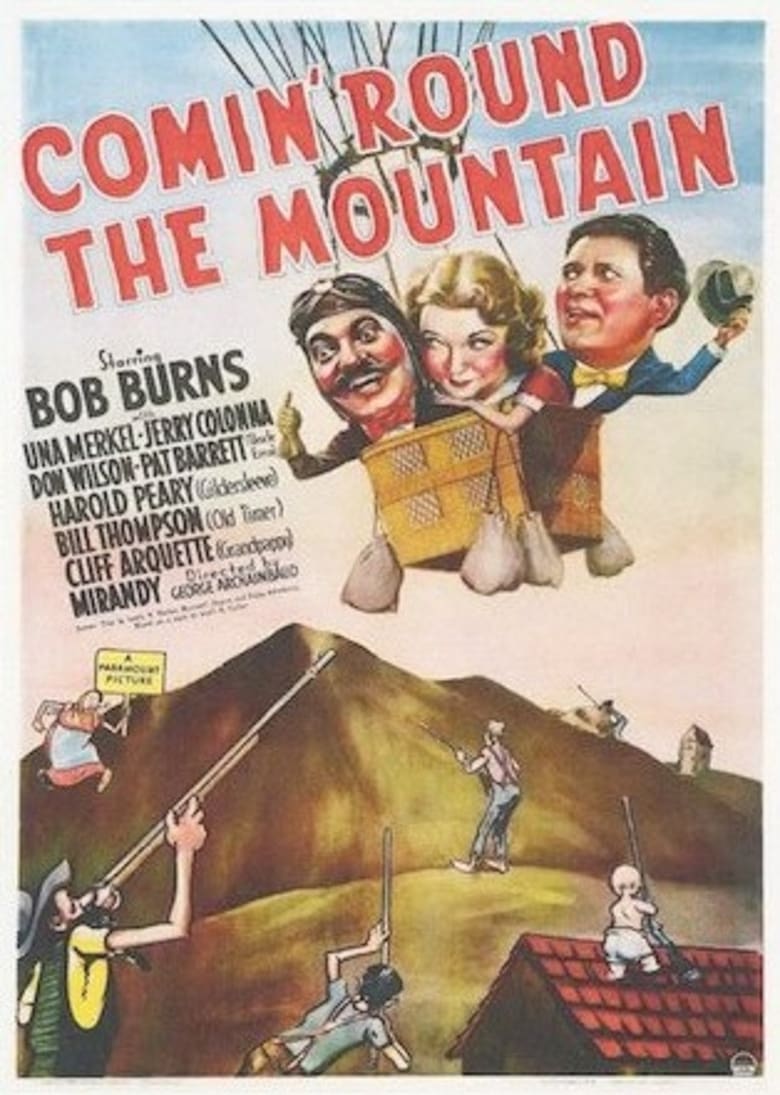
1940
ApprovedDirector
George Archainbaud
Runtime
63 minutes
Average Rating
No ratings yetSynopsis
A Tennessee boy (Bob Burns) returns from the big city, runs for mayor and puts his musical kin on the radio.
Overall Score
Limited
Category Breakdown
LGBTQ+ Representation
The film lacks any LGBTQ+ characters or narratives. It adheres strictly to the heteronormative social standards of 1940s studio comedies.
Gender Representation
The story centers on a male protagonist's political and musical ambitions. Female characters appear to be relegated to traditional supporting or domestic roles.
Racial & Ethnic Diversity
The narrative focuses on a homogeneous depiction of Appalachian culture in rural Tennessee. There is no evidence of significant non-white agency or diverse casting.
Religious & Cultural Diversity
The film celebrates traditional community structures and local civic engagement. It emphasizes social cohesion and returning to one's roots rather than challenging institutions.
Disability Representation
There is no mention of characters with physical or neurodivergent disabilities. The narrative does not provide visibility for these experiences.
Strengths
Areas for Improvement
AI Analysis
Comin' Round the Mountain is a conventional 1940s comedy that prioritizes traditional social hierarchies. The plot follows a male lead's journey from the city back to his Tennessee roots, focusing on local politics and musical family ties. The film functions as a period piece that reinforces mid-century values of patriotism and community cohesion. It lacks the intersectional complexity or systemic critique found in more progressive modern cinema. Ultimately, the production reflects the era's standard studio-system approach, offering a narrow view of culture and identity that centers on a white, male-driven narrative.
1946
1937
1951
1937
1940
1940
1940
1939
1953
1941
1953
1941
No reviews yet. Be the first to share your thoughts on this movie!
Use the rating form above to leave a star rating and optional review.