
Spring Takes Time
1965
No user ratings available yet
Representation score: 2.5 out of 10
Representation Score
Fair
1964
Director
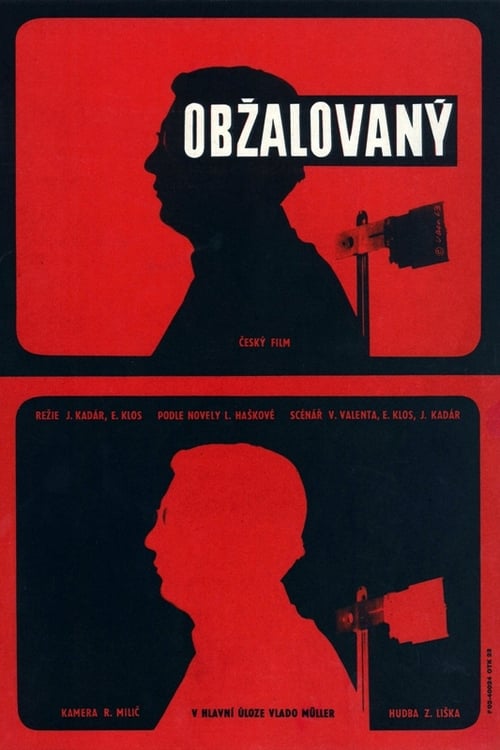
Ján Kadár, Elmar Klos
Runtime
90 minutes
Average Rating
No ratings yetNew Showbiz Analysis
This film is a deeply intellectual courtroom drama that prioritizes a critique of institutions over diverse demographic representation. Its strength lies in its examination of institutional authority and the tension between individuals and the state. While the film offers a sophisticated critique of institutional flaws, it lacks modern markers of identity-based representation. Its narrative is shaped by its specific historical and geographic context, limiting its demographic scope. Overall, the film serves as a profound exploration of situational ethics and justice, though it falls short in representing gender, race, and sexual orientation.
Category Breakdown
The film does not include any LGBTQ+ characters or stories. It focuses on legal and psychological themes from the 1960s era, avoiding discussions about sexual orientation.
The film centers on the procedural aspects and the main defendant. It does not challenge traditional masculine authority or elevate the role of women in the legal battle.
The film reflects the homogeneous demographics of the Czechoslovak New Wave era. It does not feature non-white actors, staying true to its European socio-political setting.
The film provides a nuanced look at institutional flaws. It examines moral ambiguity and the psychological impact of state pressure on individuals.
The film does not depict neurodivergence or physical disabilities as key elements of the story. The focus remains on the psychological state of the accused.
Present on Screen
Limited or Absent
Official Synopsis
Managers at the construction of a big hydro plant are accused of having embezzled money.
1965

1963

1980
1970
1968

1960
1976
1967
No reviews yet. Be the first to share your thoughts on this movie!
Use the rating form above to leave a star rating and optional review.