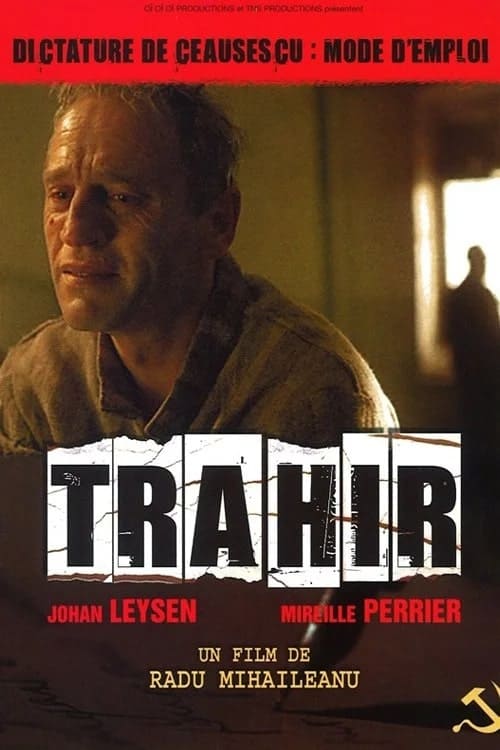
Betrayal
1993
No user ratings available yet
Representation score: 3.9 out of 10

Representation Score
Limited
1978
Director
Mircea Daneliuc
Runtime
97 minutes
Average Rating
No ratings yetNew Showbiz Analysis
Mircea Daneliuc’s work functions as a piece of political realism rather than a study in demographic diversity. The film's strength lies in its structural challenge to state authority and its exploration of individual morality within an oppressive system. While the film excels at critiquing institutional power, it lacks the diverse casting and identity-driven character arcs necessary for a higher score. The representation is largely limited to the specific cultural and political context of late-1970s Romania.
Category Breakdown
The film does not include any LGBTQ+ characters or narratives. The story focuses on political and social conflict rather than non-straight relationships.
The narrative centers on a male journalist navigating a crisis. While a missing woman drives the plot, her role and impact remain unclear within this traditional dramatic structure.
Set in 1970s Bucharest, the film reflects the demographic homogeneity of the Romanian socialist state. It lacks the diverse racial representation found in modern cinema.
The film offers a strong critique of systemic power. It disrupts idealized state portrayals by prioritizing individual morality over state-mandated stability and centralized authority.
There is no documented evidence of characters with physical or neurodivergent disabilities. No such identities drive the narrative or have a significant role.
Present on Screen
Limited or Absent
Official Synopsis
A journalist in a Bucharest publication, is the accidental witness of the street arrest of a communist. It intervenes in the defense of the young man, who manages to escape, and is arrested. He is obliged to look for the missing woman.
1993

1985

2003

1975

1975
1971

1993

1977
No reviews yet. Be the first to share your thoughts on this movie!
Use the rating form above to leave a star rating and optional review.