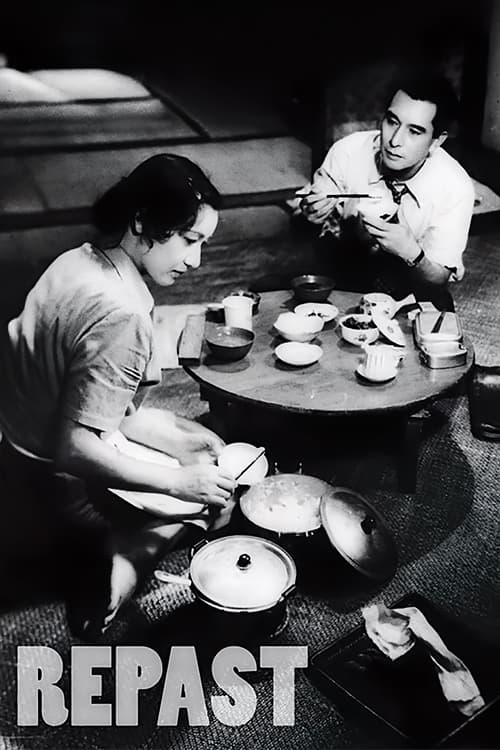
Repast
1951
No user ratings available yet
Representation score: 5.5 out of 10
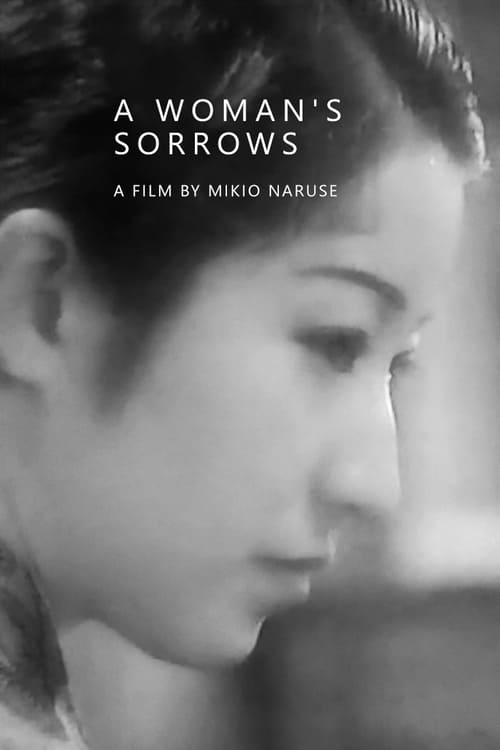
Representation Score
Limited
1937
Director
Mikio Naruse
Runtime
74 minutes
Average Rating
No ratings yetNew Showbiz Analysis
Mikio Naruse’s drama provides a sophisticated examination of gendered power structures by dismantling the 'ideal woman' stereotype. Despite being confined by the societal norms of its time, the film uncovers the inner struggles of its protagonist against systemic entrapment. The narrative effectively conveys the emotional strain of conforming to societal norms. By presenting an affluent household as a place of confinement rather than stability, the film questions the idealized notions of traditional marriage. However, the film falls short in representing a wide range of identities, particularly those related to LGBTQ+ and disability issues.
Category Breakdown
The film adheres to traditional assumptions about sexuality and gender. There are no LGBTQ+ characters or stories that question these norms.
Hiroko’s marriage is shown as a form of servitude rather than a partnership. The story emphasizes the psychological burden of her submission to patriarchal authority and domestic constraints.
The film mirrors the uniform demographic makeup of 1930s Japan. It centers on internal class and domestic dynamics without showcasing racial diversity or varied casting.
The plot delves into the tension between modernization and traditional Japanese values. It depicts the traditional family unit as a site of potential oppression and emotional labor.
There is no recorded depiction of physical or cognitive disabilities in this work.
Present on Screen
Limited or Absent
Official Synopsis
Young Hiroko’s conservative principles place her at odds with most modern women, as she has already submitted to her mother’s choice of man for any marriage prospect. Wed into an affluent family that practically treats her as a housemaid, locked away like a 'doll' by her estimation, Hiroko’s own submission to traditional thinking brings contradictions to light.
1951
1952
1952

1951
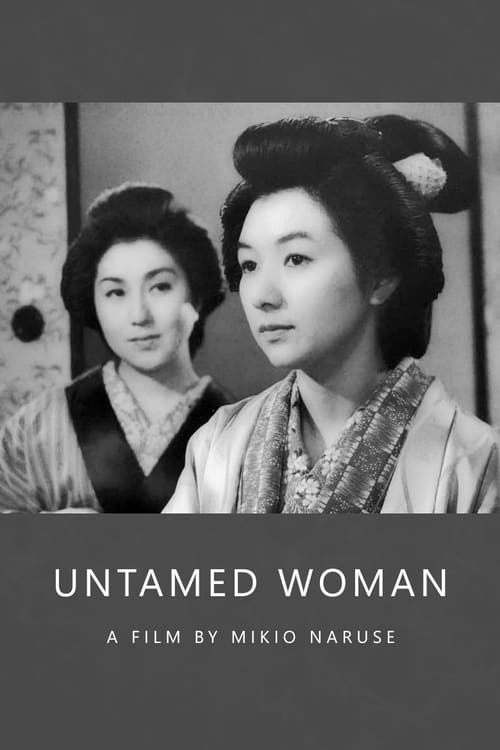
1957
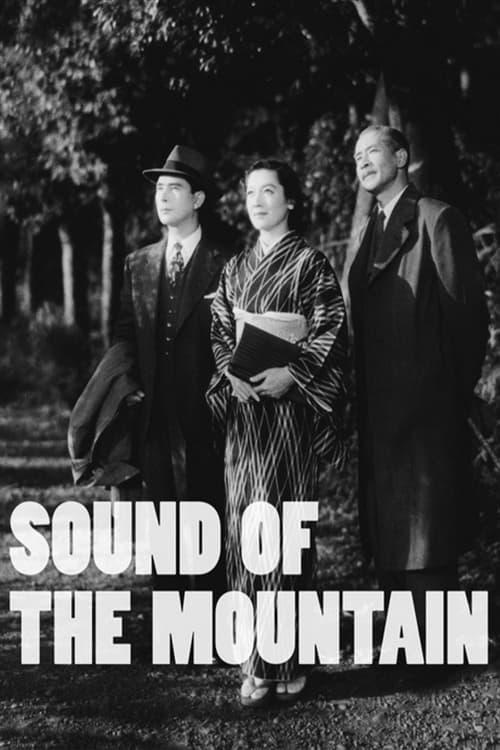
1954
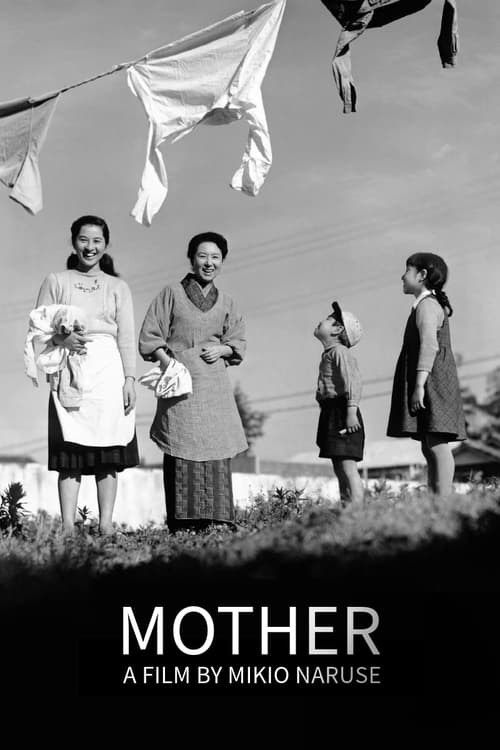
1952
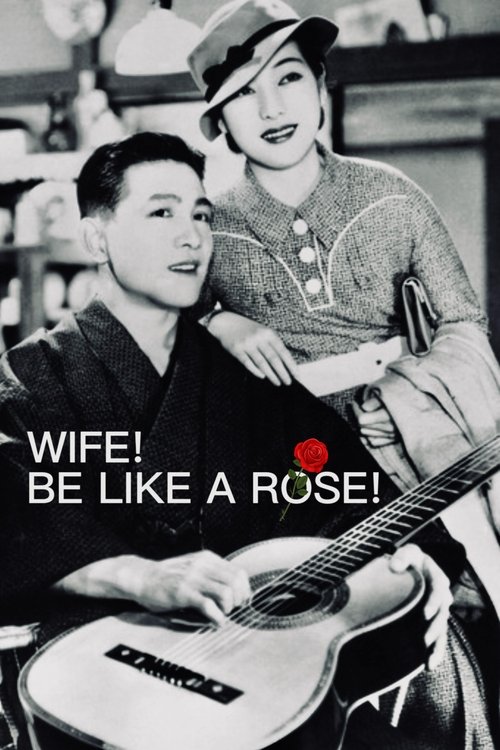
1935
No reviews yet. Be the first to share your thoughts on this movie!
Use the rating form above to leave a star rating and optional review.