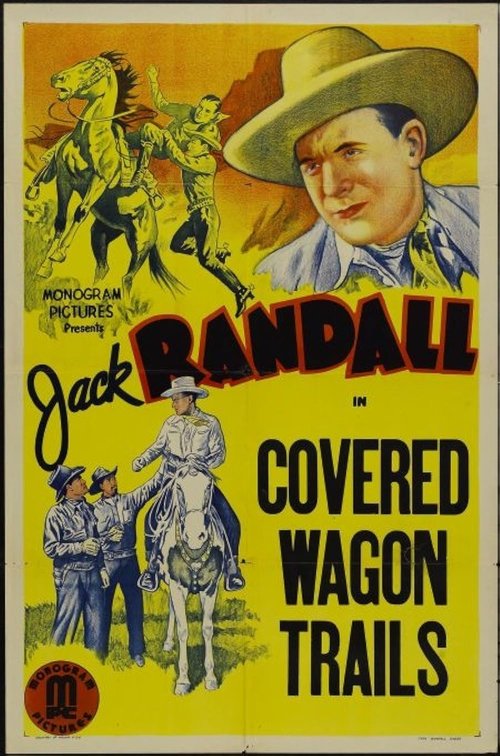
Covered Wagon Trails
1940
No user ratings available yet
Diversity score: 2.3 out of 10

1940
ApprovedDirector
Raymond K. Johnson
Runtime
47 minutes
Average Rating
No ratings yetSynopsis
In this his penultimate Western for low-budget company Monogram, Jack Randall assumed the identity of a murdered ranger in order to track down the killer. In the lawless town of Brimstone, the citizens are being terrorized by a gang of outlaws headed by Mason (Tom London), who, to no one's great surprise, proves to be the very man Jack has been trailing. The relieved citizens of Brimstone then elect Jack as their new sheriff. The murdered ranger's sister was played by Margaret Roach, the 19-year-old daughter of comedy producer Hal Roach. Ernie Adams replaced Glenn Strange (who himself had replaced Frank Yaconelli) as Randall's sidekick, Manny, and Nelson McDowell provided additional comic relief as Brimstone's busy undertaker.
Overall Score
Limited
Category Breakdown
LGBTQ+ Representation
The film adheres to the heteronormative social structures of the 1940s. There are no depictions of same-sex intimacy or non-cisnormative identities within the narrative.
Gender Representation
Agency is concentrated in the male protagonist, Jack Randall, who assumes the role of Sheriff. Female characters, such as the murdered ranger's sister, serve primarily as plot catalysts rather than independent actors.
Racial & Ethnic Diversity
The story focuses on Anglo-Saxon archetypes within the town of Brimstone. There is no evidence of a non-white majority cast or the integration of diverse ethnic identities.
Religious & Cultural Diversity
The narrative promotes traditional Western values, specifically the establishment of law and order. It prioritizes the restoration of civic stability and the triumph of individual justice.
Disability Representation
The film contains no mention of characters with visible or invisible disabilities. Disability is not utilized as a narrative device or plot point.
Strengths
Areas for Improvement
AI Analysis
Riders from Nowhere is a quintessential B-Western that relies heavily on the established genre tropes of the early 1940s. The film's structure reinforces traditional social hierarchies, centering on a singular masculine hero who restores order to a lawless frontier. The production operates within the restrictive demographic frameworks of its era. It lacks intersectional depth, offering almost no disruption to the prevailing cultural norms regarding gender, race, or identity. While the film provides standard genre entertainment, it functions as a reinforcement of homogeneous social compositions and conventional notions of authority.
1940
1940
1940
1941
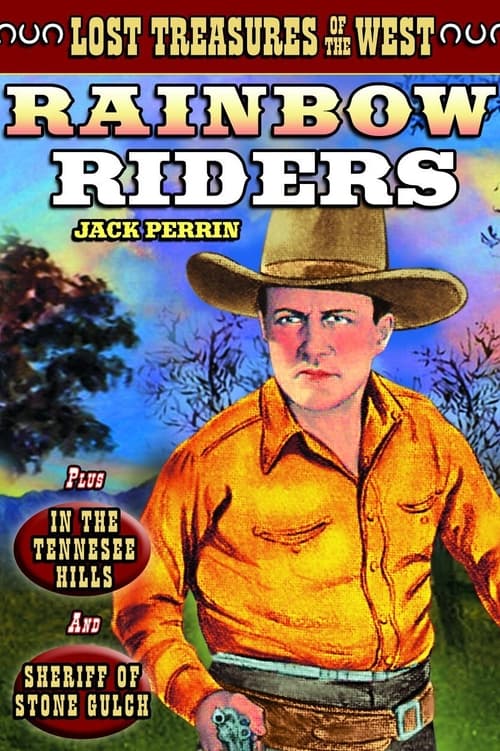
1934
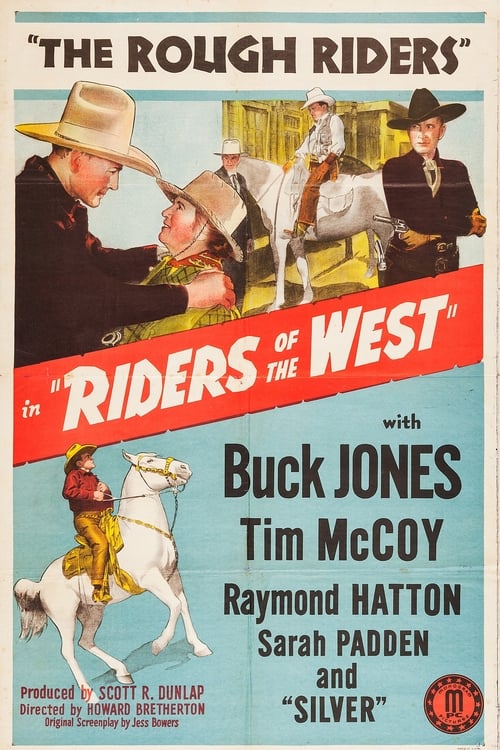
1942
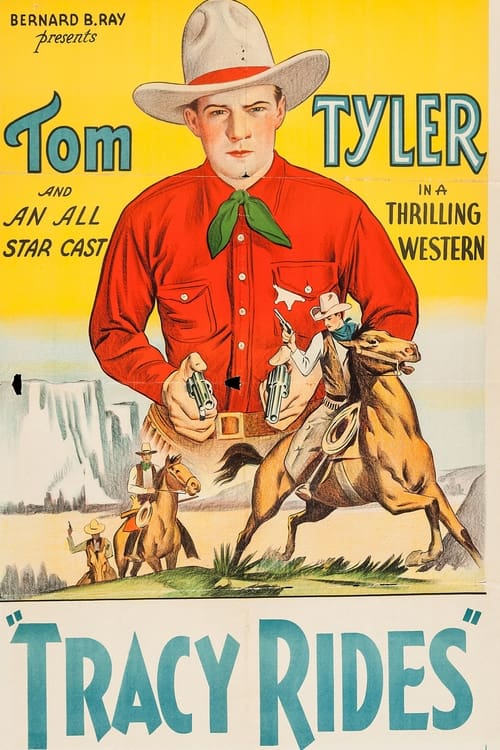
1935
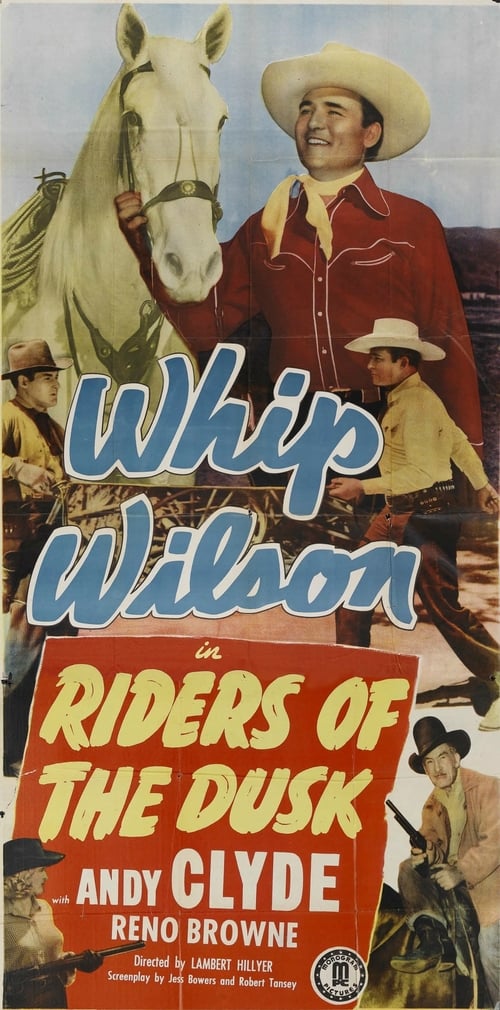
1949
1935
1926
1939
1929
No reviews yet. Be the first to share your thoughts on this movie!
Use the rating form above to leave a star rating and optional review.