Border Bandits
1946
No user ratings available yet
Representation score: 0.6 out of 10
Representation Score
Minimal
1946
PassedDirector
Vernon Keays
Runtime
53 minutes
Average Rating
No ratings yetNew Showbiz Analysis
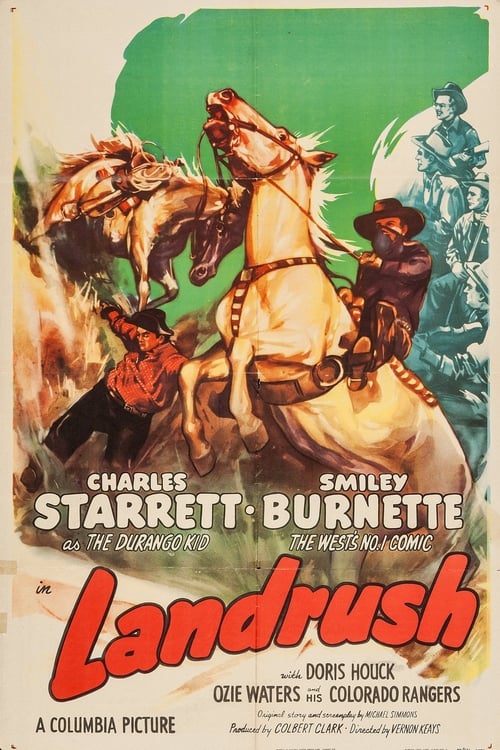
Landrush is a quintessential B-movie Western that prioritizes genre formulas over social subversion. The film relies on established archetypes, such as the masked hero and the buffoonish sidekick, to drive its plot. Because it was produced in 1946, the film operates within the restrictive social codes of its time, reinforcing traditional hierarchies regarding gender, race, and cultural expansionism rather than challenging them. Ultimately, the film serves as a period-accurate example of mid-century genre filmmaking, offering a predictable experience that upholds the status quo of the era.
Category Breakdown
The film adheres to the rigid social and cinematic codes of the 1940s. There is no evidence of LGBTQ+ characters or narratives that challenge traditional sexual norms.
The narrative follows traditional gender hierarchies with a male protagonist as the primary agent of justice. The presence of a comical sidekick reinforces standard masculine archetypes.
The film likely reflects standard mid-1940s casting practices centered on Anglo-Saxon protagonists. There is no indication of a diverse cast or characters of color with significant influence.
The story functions as a classic Western that validates traditional social orders and frontier justice. It lacks any evidence of anti-institutional or secular sentiment.
There is no mention of characters with visible or invisible disabilities in the narrative.
Present on Screen
Limited or Absent
Official Synopsis
The Durango Kid rides again in Columbia's Landrush. As ever, the masked do-gooder, alias Steve Harmon, is played by Charles Starrett. Bringing up the rear in every sense of the word is Harmon's comical sidekick Smiley Burnette. In this outing, Harmon dons his Durango garb to rescue a group of homesteaders from scurrilous villains. Musical relief is provided by Ozie Waters and his Colorado Rangers.
1946
1945
1951
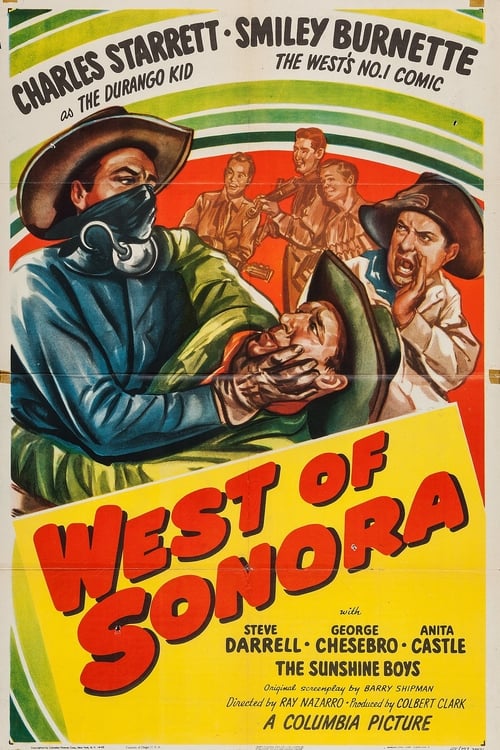
1948
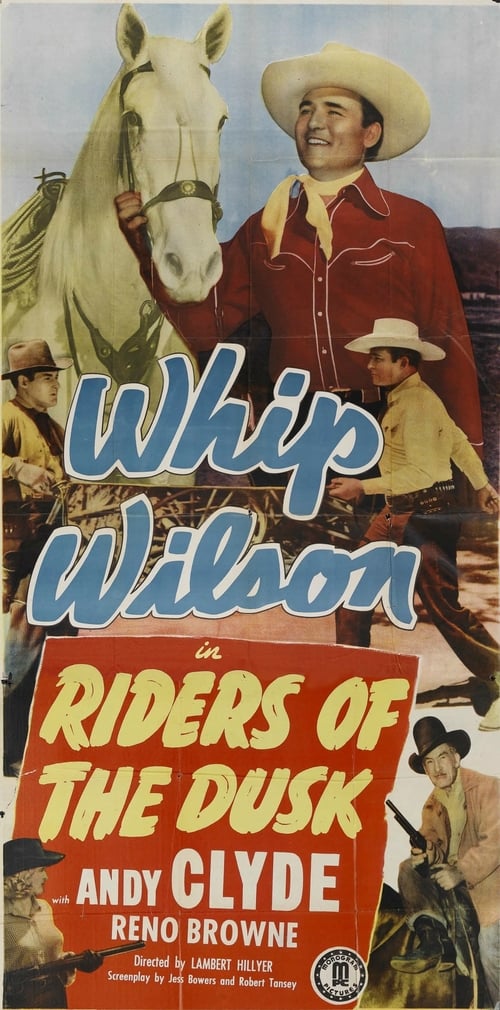
1949
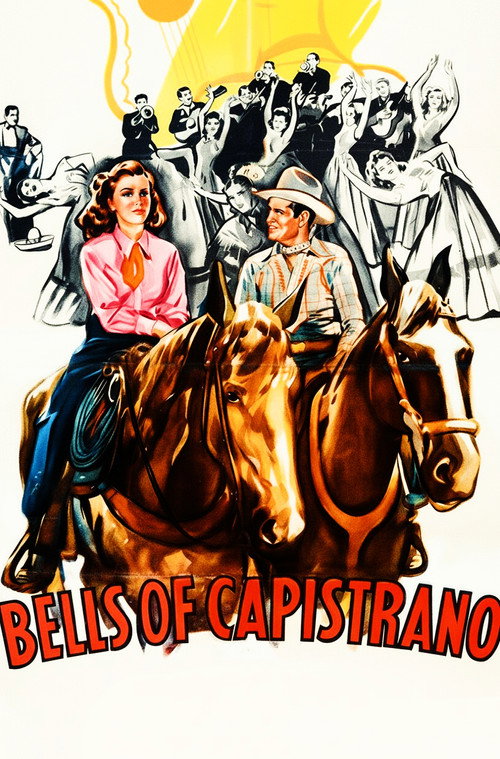
1942
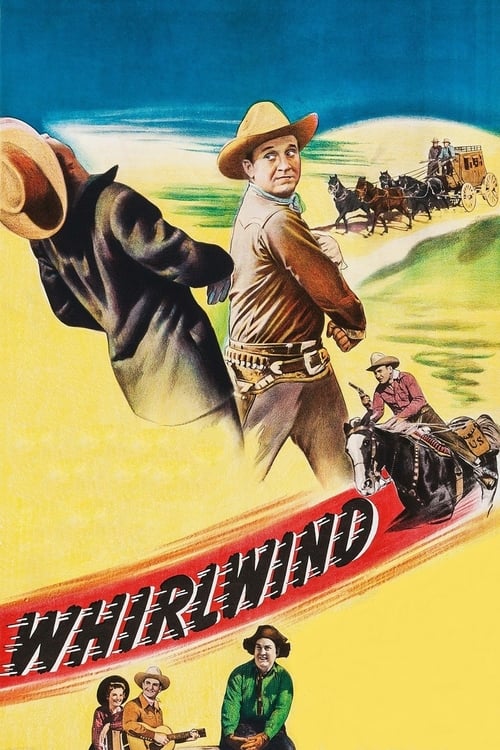
1951
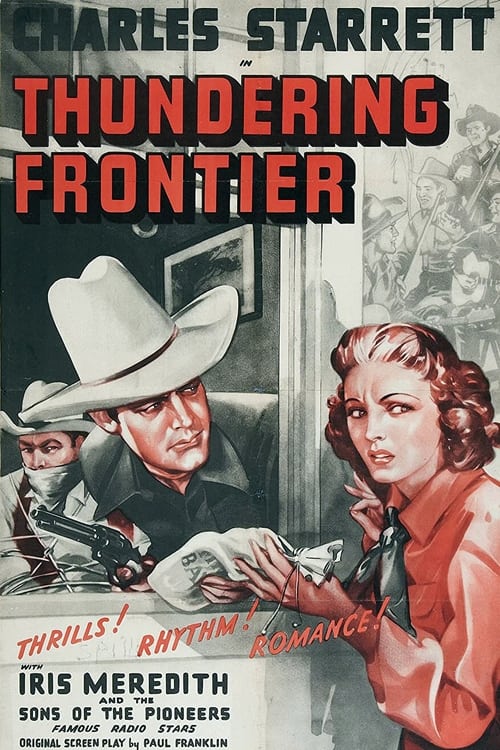
1940
No reviews yet. Be the first to share your thoughts on this movie!
Use the rating form above to leave a star rating and optional review.