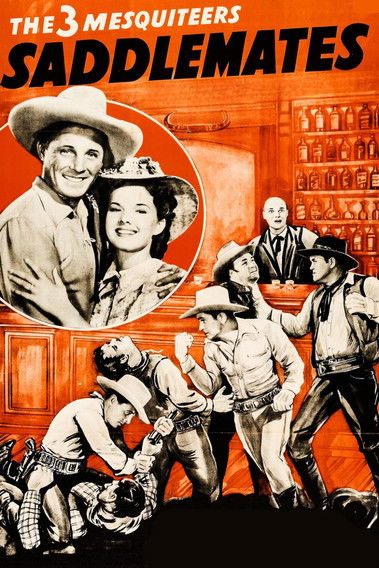
Saddlemates
1941
No user ratings available yet
Diversity score: 2.3 out of 10
1942
ApprovedDirector
Lester Orlebeck
Runtime
55 minutes
Average Rating
No ratings yetSynopsis
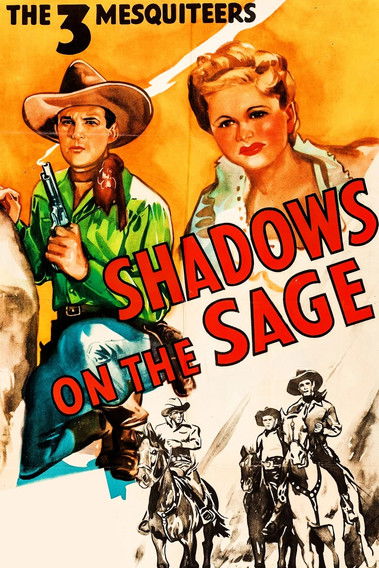
Shadows on the Sage is a 1942 American Western "Three Mesquiteers" B-movie directed by Lester Orlebeck. The Three Mesquiteers, Tucson, Stony, and Lullaby arrive to help Sheriff Lippy fight the outlaws. But when the gang leader Curly Joe captures Tucson and notices the resemblance, he assumes Tucson's identity.
Overall Score
Limited
Category Breakdown
LGBTQ+ Representation
The film lacks any evidence of LGBTQ+ characters or narratives. It adheres to the strict social and cinematic codes of 1942, which typically excluded non-heteronormative identities.
Gender Representation
The story centers on a male-driven ensemble, including the Three Mesquiteers and the Sheriff. Women appear to lack agency, likely relegated to secondary or domestic roles common to the era.
Racial & Ethnic Diversity
The narrative focuses on white protagonists and outlaws within a standard Western framework. There is no indication of non-white agency or diverse casting in the plot.
Religious & Cultural Diversity
The film reinforces traditional Western values and moral binaries. It emphasizes law and order through established institutions rather than offering any cultural critique.
Disability Representation
There is no information regarding the inclusion or depiction of characters with physical or neurodivergent disabilities.
Strengths
Areas for Improvement
AI Analysis
Shadows on the Sage is a quintessential 1940s B-movie that prioritizes genre tropes over social complexity. The narrative relies heavily on masculine archetypes and the established formulas of the Three Mesquiteers series. Representation is minimal, as the film reinforces the homogeneous casting and social hierarchies of its time. The plot focuses on identity swaps and law enforcement, leaving little room for diverse perspectives or intersectional storytelling. Ultimately, the film serves as a period-typical Western that maintains the status quo of the early 1940s cinematic landscape.
1941
1941
1946
1949

1934
1938
1936
1953
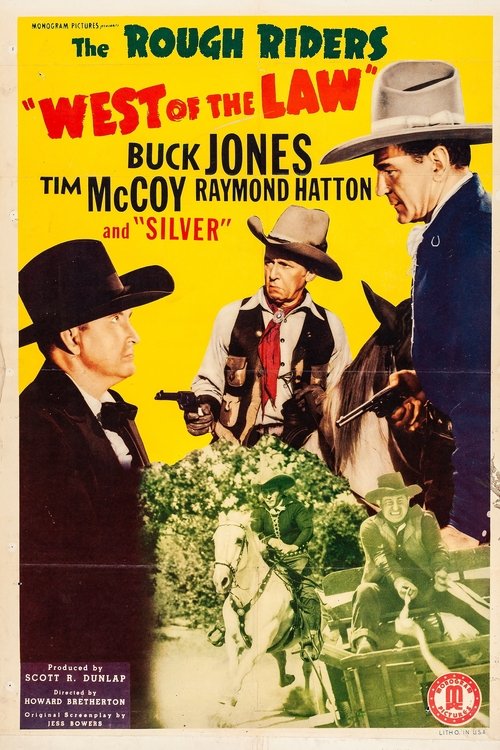
1942
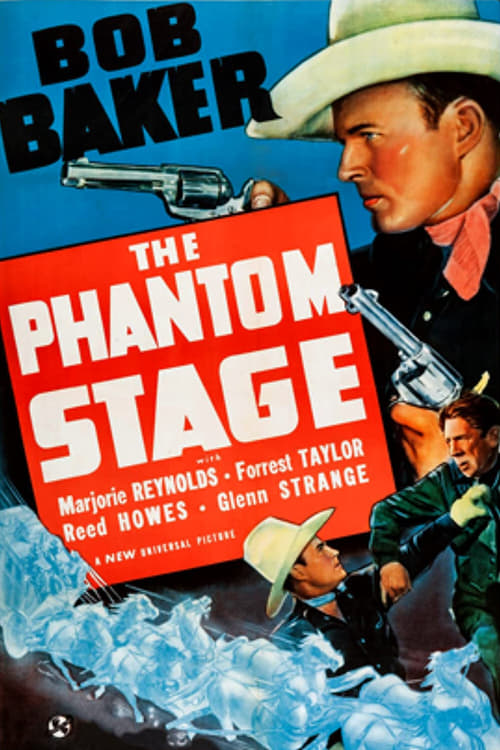
1939
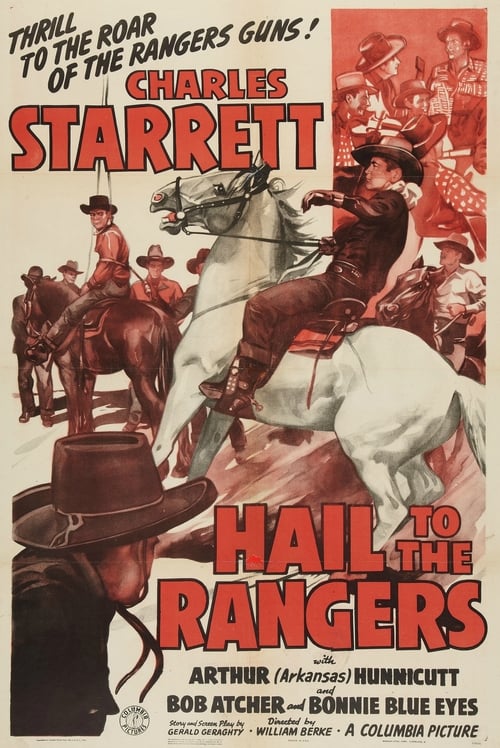
1943
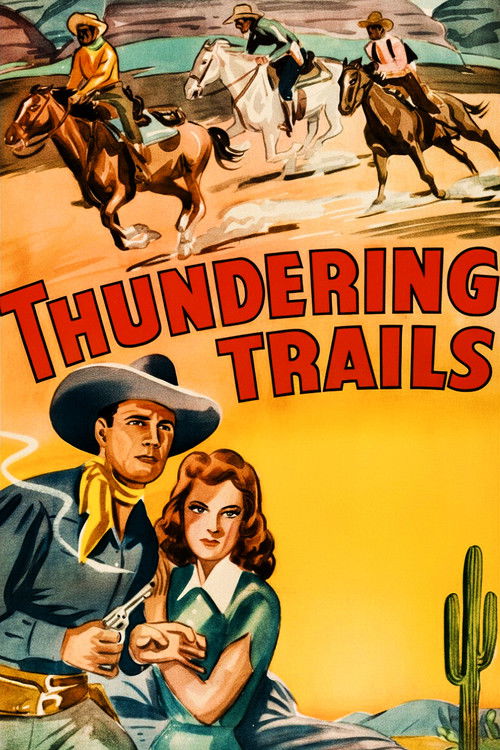
1943
No reviews yet. Be the first to share your thoughts on this movie!
Use the rating form above to leave a star rating and optional review.