
Voyage to Cythera
1984
No user ratings available yet
Diversity score: 4.6 out of 10
1990
Director
Zdeněk Tyc
Runtime
80 minutes
Average Rating
No ratings yetSynopsis
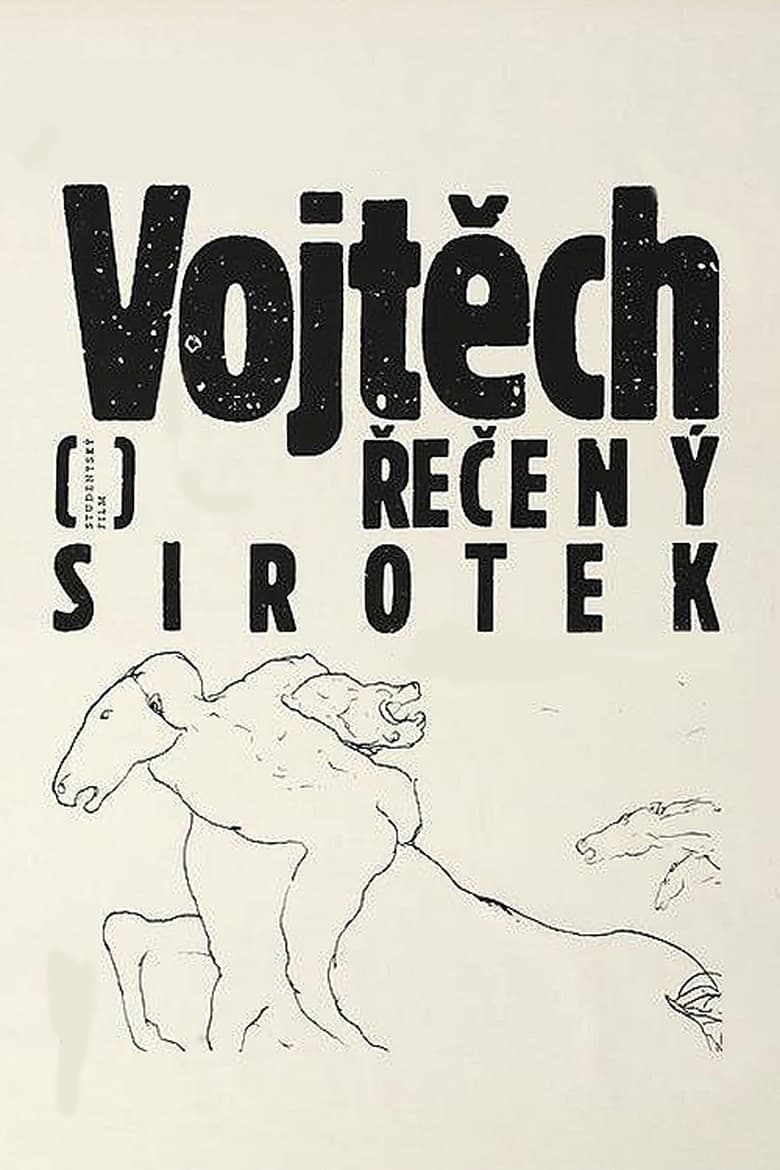
Symbols and political analogies abound in this dramatically frustrating first work by a recent film-school graduate. In the story, Vojtech has survived World War II in a Czech prison following an unjust sentence. Now he is free, and the world is full of possibilities.
Overall Score
Fair
Category Breakdown
LGBTQ+ Representation
The film lacks explicit evidence of LGBTQ+ characters or non-heteronormative identities. The narrative focus remains on the protagonist's reintegration into a society that traditionally prioritizes heteronormative structures.
Gender Representation
The story centers on Vojtěch's personal journey following his unjust imprisonment. There is no clear evidence of non-traditional gender roles or the subversion of established gender hierarchies.
Racial & Ethnic Diversity
Set in post-WWII Czechoslovakia, the film operates within a largely homogeneous ethnic landscape. It does not utilize diverse ethnic casting or non-human metaphors to address broader racial themes.
Religious & Cultural Diversity
The film offers a strong critique of state and legal systems through its protagonist's struggle. It avoids idealized patriotism, opting instead for a complex view of the social order.
Disability Representation
There is no documented evidence of characters navigating visible or invisible disabilities. The protagonist's trauma is presented as political and systemic rather than a central identity marker.
Strengths
Areas for Improvement
AI Analysis
Vojtěch, Called the Orphan is a character-driven drama that finds its strength in its critical stance toward institutional authority. By focusing on a victim of an unjust sentence, the film explores the friction between individual agency and systemic corruption. However, the film lacks intersectional depth. The narrative is largely confined to a homogeneous social landscape, offering little visibility for LGBTQ+, racial, or disability-based identities. While the political themes are progressive, the lack of diverse character representation limits its overall impact.
1984
1977
1981
1972
1964

1994
2009

2020

2005
1946

2010

1957
No reviews yet. Be the first to share your thoughts on this movie!
Use the rating form above to leave a star rating and optional review.