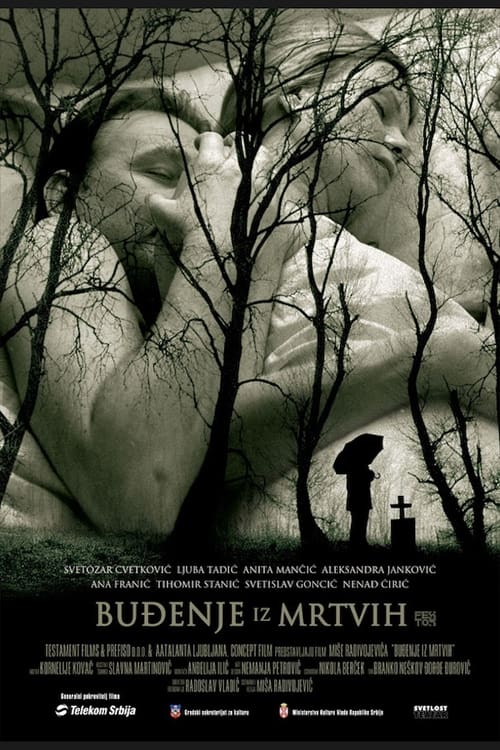
Awakening from the Dead
2005
No user ratings available yet
Representation score: 4.4 out of 10
Representation Score
Good
1994
Director
Miloš 'Miša' Radivojević
Runtime
100 minutes
Average Rating
No ratings yetNew Showbiz Analysis
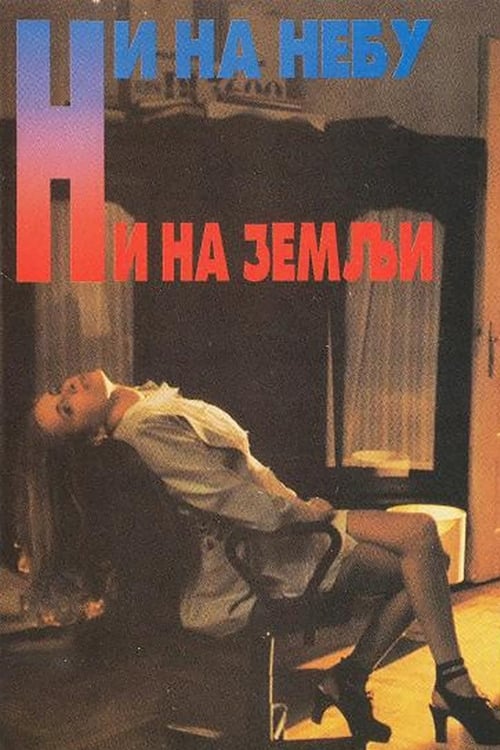
In the Middle of Nowhere provides a somber perspective on a man struggling in a changing Belgrade. It effectively dismantles traditional masculine stability and institutional authority, offering a nuanced critique of societal structures during a time of geopolitical change. However, the film lacks visible LGBTQ+ representation and non-straight-centered characters. Its focus on a localized, homogeneous population and a heterosexual central relationship limits its range of identity representation. Overall, the film excels in psychological depth and cultural critique, reflecting the fragmentation of the era.
Category Breakdown
The film does not include explicit representations of LGBTQ+ characters or identities. The central relationship between Nikola and Ana focuses on heterosexual attraction.
Nikola challenges traditional masculine stereotypes through his deep depression and aimless existence. His 'Champ' persona serves as a facade for a man who has little control over his life in a deteriorating society.
The story centers on a localized, homogeneous urban population in Belgrade. Diversity is shown through socio-political divisions rather than through a mix of ethnicities.
The film criticizes traditional institutions by depicting the state and military as disruptive forces. It emphasizes existentialism and moral relativism over a singular national or religious morality.
The narrative focuses on the protagonist's contemplative and depressive state. It is unclear whether this neurodivergence is portrayed with real depth or simply used for stylistic purposes.
Present on Screen
Limited or Absent
Official Synopsis
The exploits of a depressed architect in Belgrade as he wanders about searching for the future in a land where the future no longer exists. Handsome Nikola is in his mid-thirties. He earned the nickname Champ because he used to race speedboats. He makes a decent living as a free-lance architect and his apartment is spacious and comfortable. Ana is attracted by the Champ's good looks and apparent prosperity. He is always pensive though; even when he is out drinking at the local clubs with his companions he cannot help but brood about the state of Belgrade. Though the city appears fairly normal on the outside, the presence of the war is signalled when a reluctant conscript in the army is dragged away.
2005
1984
1993
1996
2019

1994

2000
1997
No reviews yet. Be the first to share your thoughts on this movie!
Use the rating form above to leave a star rating and optional review.