
Man of Marble
1977
No user ratings available yet
Representation score: 3.6 out of 10
Representation Score
Good
1964
Director
Pavel Juráček, Jan Schmidt
Runtime
38 minutes
Average Rating
No ratings yetNew Showbiz Analysis
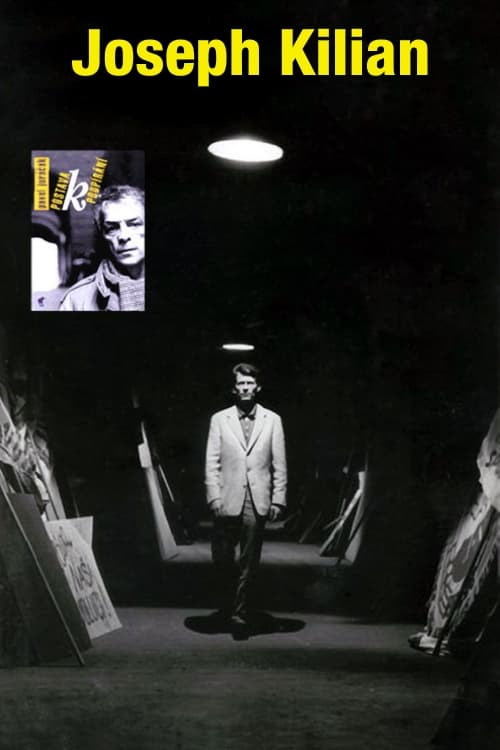
Joseph Kilian (1964) is a socio-political allegory that prioritizes thematic depth over demographic diversity. It effectively critiques institutional authority and totalitarian absurdity through its narrative structure. However, the film lacks representation of multiple aspects of identity such as race, gender, and LGBTQ+ identities. The cast is demographically homogeneous, reflecting the era and setting, with little focus on diversity. Ultimately, the film's strength lies in its cultural subversion. It replaces traditional social formulas with a study of individual struggle against an irrational, disappearing state bureaucracy.
Category Breakdown
The film does not explicitly depict LGBTQ+ identities or relationships outside of heteronormativity. It focuses on Harold's existential isolation within a bureaucratic system.
The story centers on a single male protagonist who navigates a dehumanizing bureaucracy. This portrayal disrupts traditional patriarchal expectations by showing the male lead as vulnerable and isolated.
Given its 1964 Czechoslovakian setting, the film lacks a multi-ethnic cast. The story remains focused on the specific socio-political context of Prague.
The film excels in cultural subversion by criticizing totalitarian institutions. It prioritizes existentialism and individual resistance over traditional religious or patriotic morals.
There is no explicit depiction of physical or neurodivergent disabilities. The protagonist's psychological isolation is shown through his isolation, but his role in driving the story is not examined.
Present on Screen
Limited or Absent
Official Synopsis
The story is about Harold, an isolated figure in an overwhelming world of totalitarian bureaucracy. Harold tries to find the elusive Joseph Kilian, an old acquaintance, in Prague. When Harold stumbles across a state-run cat-lending store, he impulsively rents a feline for the day. Later, he attempts to return the cat and finds that the store no longer exists. Now with a furry companion, Harold continues his search for Kilian. Written and directed by Pavel Juracek, this 40 minute film effectively aims its allegorical shots at personality cults and the absurdities of a totalitarian regime.
1977
1969

1986
1985
1994
1975
1959
1991
No reviews yet. Be the first to share your thoughts on this movie!
Use the rating form above to leave a star rating and optional review.