Short and Suite
1959
No user ratings available yet
Representation score: 0.0 out of 10
Representation Score
Limited
1949
Not RatedDirector
Norman McLaren, Evelyn Lambart
Runtime
8 minutes
Average Rating
No ratings yetNew Showbiz Analysis
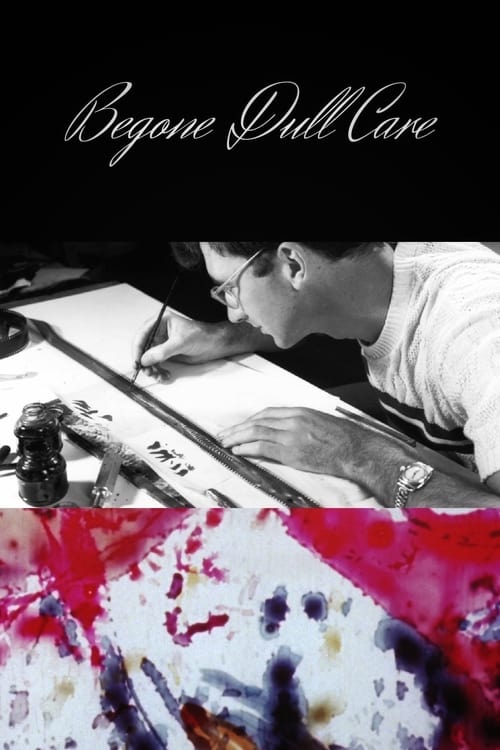
Begone Dull Care is a formalist experiment that prioritizes visual music over character-driven storytelling. Because it relies on direct-on-film abstraction, it lacks the human figures necessary for traditional identity representation. The film's diversity is structural rather than narrative. While it avoids depicting specific racial or sexual identities, it challenges industry norms through its creative leadership and its celebration of jazz culture. Ultimately, the work bypasses social categorizations entirely. It functions as a postmodern sensory experience that disrupts conventional cinematic structures rather than engaging with social hierarchies directly.
Category Breakdown
Since the film is abstract and non-narrative, it does not include characters or dialogue. Therefore, it does not engage with or depict LGBTQ+ identities or clichés.
The film includes Evelyn Lambart as a co-director, challenging industry norms and providing meaningful female leadership during a time when women were often sidelined.
The animation uses geometric shapes instead of human figures. However, it celebrates jazz, a musical form deeply rooted in Black American culture.
The work avoids linear plots and traditional institutional values such as religion or patriotism. Instead, it prioritizes sensory experience over structured, conventional Western storytelling.
The abstract, non-human nature of the animation means there are no depictions of physical or neurodivergent identities. No disability is used as a plot device.
Present on Screen
Limited or Absent
Official Synopsis
In this extraordinary short animation, Evelyn Lambart and Norman McLaren painted colours, shapes, and transformations directly onto their filmstrip. The result is a vivid interpretation, in fluid lines and colour, of jazz music played by the Oscar Peterson Trio.
1959

1962
1952
1946
1940
1969

1938
1955
No reviews yet. Be the first to share your thoughts on this movie!
Use the rating form above to leave a star rating and optional review.