
Canine Casanova
1945
No user ratings available yet
Representation score: 0.3 out of 10
Representation Score
Minimal
1942
ApprovedDirector
Friz Freleng
Runtime
8 minutes
Average Rating
No ratings yetNew Showbiz Analysis
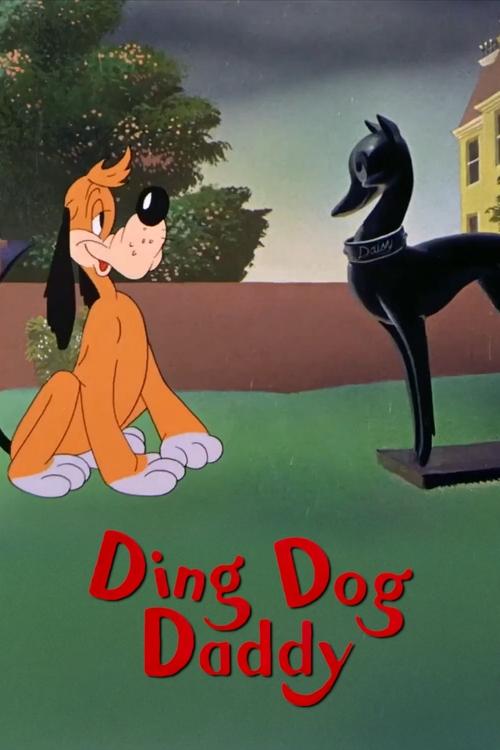
Ding Dog Daddy is a classic mid-century slapstick short that emphasizes physical humor and rhythmic timing over character development. The plot revolves around repetitive physical conflicts, particularly a dog's fixation on a metal greyhound statue. Given its anthropomorphic setup, the film lacks the complexity needed to address identity issues. It serves primarily as an escape from reality, without the markers of progressive storytelling or characters who reflect more than one aspect of diversity. Ultimately, the film reflects the era's preference for rapid gags over the deconstruction of societal norms or hierarchies.
Category Breakdown
The film focuses solely on physical comedy involving animal characters. There is no indication of queer themes or non-cisgender identities.
Being an anthropomorphic animal story, it doesn't follow a traditional gender hierarchy. However, it doesn't explore nuanced gender roles or challenge typical domestic scenarios.
Set in a generic rural environment, the film does not address racial or ethnic diversity, using uniform character types.
Operating within a standard order-versus-chaos framework, the film does not question Western institutions or religious practices.
There are no representations of physical disabilities or neurodivergence. The characters' behaviors are portrayed as typical cartoonish exaggerations.
Present on Screen
Limited or Absent
Official Synopsis
A dumb mutt falls in love with the metal statue of a greyhound.
1945
1950
1938
1942
1942
1947
1935
1942
No reviews yet. Be the first to share your thoughts on this movie!
Use the rating form above to leave a star rating and optional review.