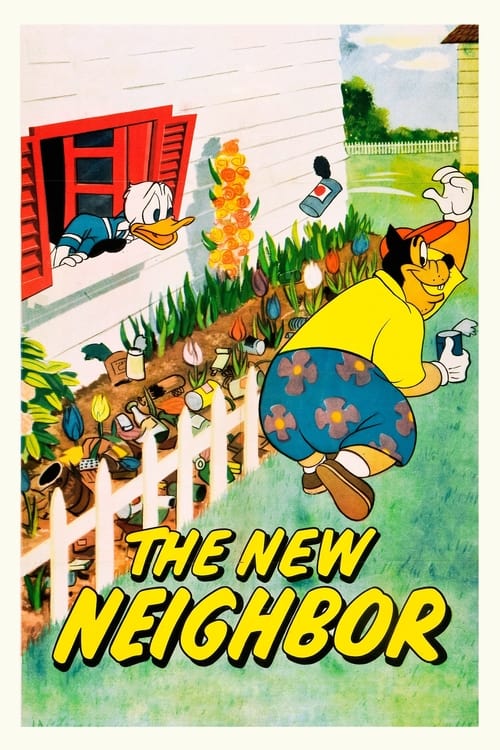
The New Neighbor
1953
No user ratings available yet
Representation score: 0.5 out of 10
Representation Score
Minimal
1957
ApprovedDirector
Gene Deitch, Connie Rasinski
Runtime
7 minutes
Average Rating
No ratings yetNew Showbiz Analysis
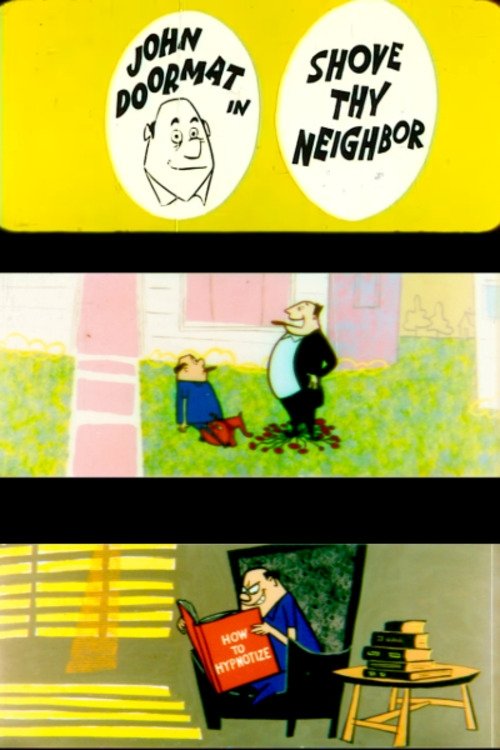
Shove Thy Neighbor is a mid-century animated short that prioritizes slapstick rivalry over social depth. The narrative follows a cyclical, reactionary conflict between two neighbors, John Doormat and a newcomer, driven by their pets. The film functions as a closed loop of domestic friction, relying on traditional clichés of neighborly disputes rather than engaging with diverse social identities or complex power dynamics. Ultimately, the work reflects the era's homogeneous social norms, offering little in the way of progressive representation or multi-layered complexity.
Category Breakdown
The film focuses entirely on a dispute between male protagonists and their pets. There is no presence of LGBTQ+ identities or narratives exploring non-straight relationships.
The story centers on a masculine confrontation between two men. It lacks any meaningful subversion of traditional gender roles or female influence.
The setting appears homogeneous, reflecting the social norms of 1957. There is no mention of diverse casting or ethnic diversity in the narrative.
The plot explores interpersonal friction and communal breakdown. It lacks systemic critique or specific religious and cultural depth, focusing instead on reactionary behavior.
The narrative contains no indication of characters with visible or invisible disabilities. There is no evidence of neurodivergent representation.
Present on Screen
Limited or Absent
Official Synopsis
Things are peaceful in John Doormat's neighborhood until he gets a new neighbor, and the new neighbor comes with a dog that likes to grab and gnaw on John's leg every time he sees him. Doormat buys his own large mutt which chases the neighbor's pest-pet home. When the two men meet to exchange some bitter words, the neighbor's dog clamps on John's leg, and John's dog is chewing on the neighbor's leg.
1953
1947
1942
1955
1939
1945
1966
1954
No reviews yet. Be the first to share your thoughts on this movie!
Use the rating form above to leave a star rating and optional review.