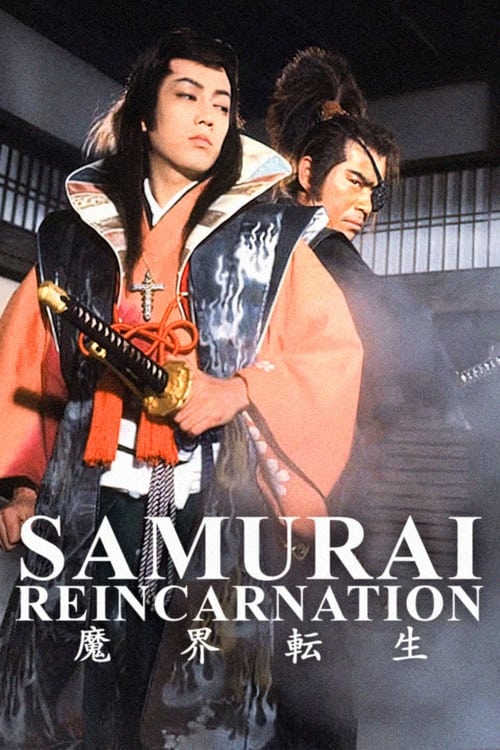
Samurai Reincarnation
1981
No user ratings available yet
Representation score: 5.1 out of 10
Representation Score
Fair
1970
Director
Keiichi Ozawa
Runtime
83 minutes
Average Rating
No ratings yetNew Showbiz Analysis
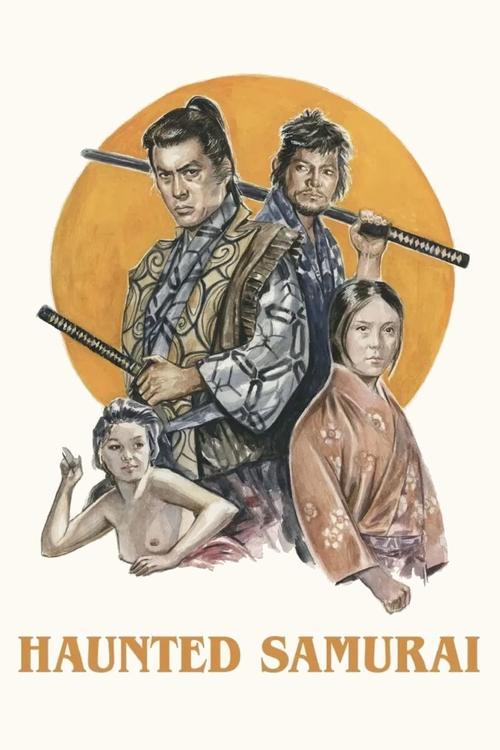
Haunted Samurai offers a critical look at the traditional enforcer archetype. By focusing on the consequences of the protagonist's actions concerning his sister, the film moves away from standard heroic clichés toward a more nuanced exploration of guilt and systemic corruption. While the film excels at questioning institutional authority and the 'loyal warrior' mythos, it remains limited by the era's focus on cultural homogeneity. The narrative is driven by internal moral shifts rather than diverse representation. Ultimately, the film's strength lies in its thematic subversion of duty, even as it lacks visible queer representation or diverse casting.
Category Breakdown
The film does not explicitly depict LGBTQ+ identities or relationships that go beyond the assumption that everyone is straight. Instead, it centers on traditional family structures and the protagonist's personal struggles.
The story challenges the stoic warrior cliché by focusing on the emotional impact of a female character's suicide. Her death serves as the main trigger for the protagonist's disillusionment.
Set within the context of the Yagyu ninja clan, the film features a cast that reflects a culturally homogeneous environment. It tells a culturally specific story typical of its historical setting.
The narrative questions strict organizational structures by showing a protagonist leaving his clan. It emphasizes individual morality over the institutional duties imposed by the Yagyu ninja.
There is no indication of the depiction of physical or neurodivergent disabilities within the provided narrative.
Present on Screen
Limited or Absent
Official Synopsis
When his sister commits suicide as a result of his actions, Rokuheita, an enforcer for the Yagyu ninja clan, considers his choices and eventually deserts the organization. Hunted by an army of bizarre shadow warriors, the target turns on his pursuers when he finds something worth fighting for.
1981
1968
1969
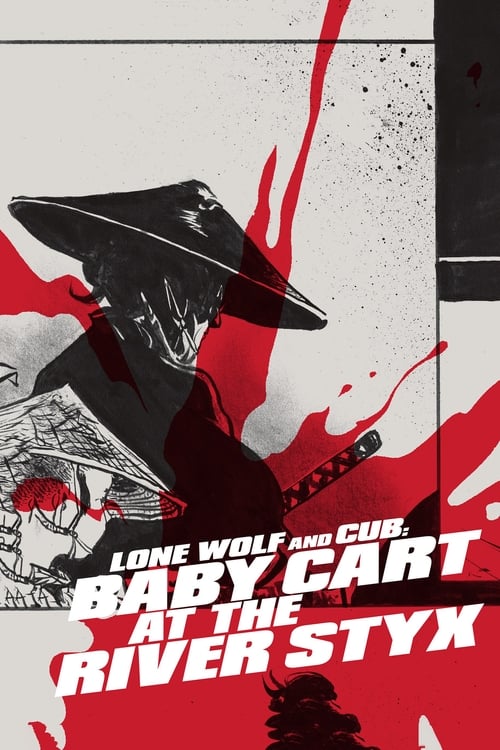
1972
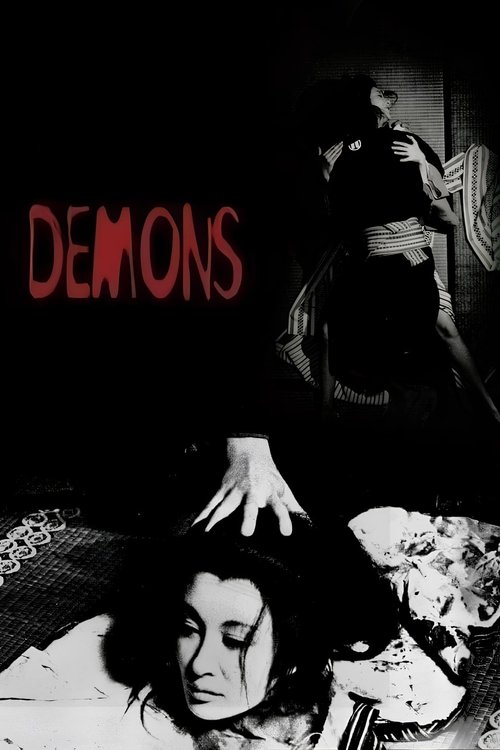
1971
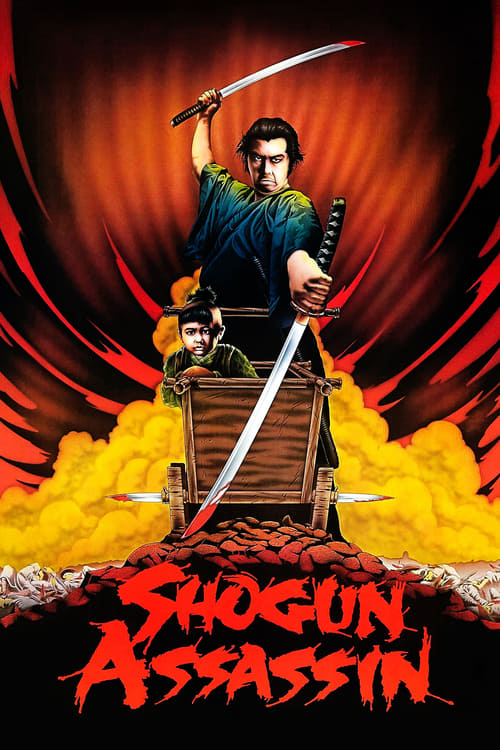
1980
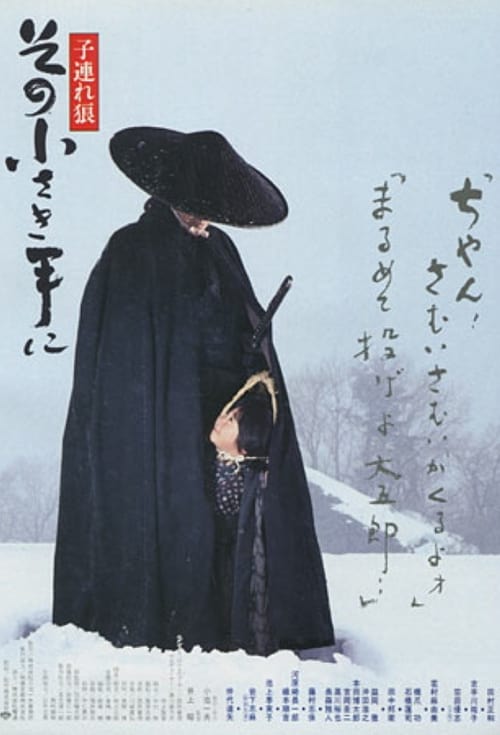
1993
2004
No reviews yet. Be the first to share your thoughts on this movie!
Use the rating form above to leave a star rating and optional review.