
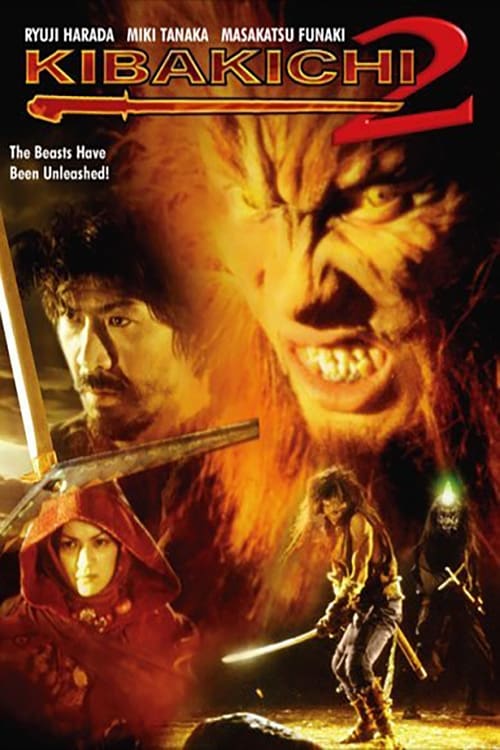
Kibakichi
2004
No user ratings available yet
Representation score: 4.1 out of 10
Representation Score
Good
2004
RDirector
Daiji Hattori
Runtime
80 minutes
Average Rating
No ratings yetNew Showbiz Analysis
Kibakichi 2 offers a moderate level of representation by leaning into non-Western folklore and character-driven ability to act. The film succeeds in moving away from Western-centric narrative structures by centering on a culturally distinct setting and a protagonist who exists on the periphery of social norms. However, the film remains limited by its adherence to traditional genre clichés. The lack of explicit LGBTQ+ narratives and the structural reliance on a male warrior to facilitate women's ability to drive the story prevent a higher diversity score. Ultimately, the film provides a nuanced experience through its focus on moral gray areas and the inclusion of a central character with a physical disability.
Category Breakdown
The film does not include explicit LGBTQ+ characters or narratives. It focuses on traditional revenge and supernatural conflict themes, reflecting a baseline level of representation typical of early-2000s cinema.
A blind female character serves as a plot catalyst seeking revenge. However, her role seems tied to the male protagonist, limiting the subversion of traditional gender roles.
As a Japanese production, the film offers a non-Western perspective. It blends historical Japanese identity with supernatural folklore through the samurai werewolf archetype, operating outside Western-centric conventions.
The narrative explores moral complexity and the tension between individual nature and societal expectations. It utilizes localized justice and village dynamics rather than adhering to Western institutional frameworks.
A blind character is central to the plot, providing an opportunity for nuanced representation. Her role in driving the quest for revenge highlights disability as a core component of her strength.
Present on Screen
Limited or Absent
Official Synopsis
The saga of Kibakichi the samurai werewolf continues as his travels find him helping a blind girl and her small village seek revenge on a murdering madman. But, unknown to Kibakichi, he is being spied on by a strange group of people—and someone from his past, who is out for revenge!
2004
1968

2000
2003
1981
2023
2018

2011
No reviews yet. Be the first to share your thoughts on this movie!
Use the rating form above to leave a star rating and optional review.