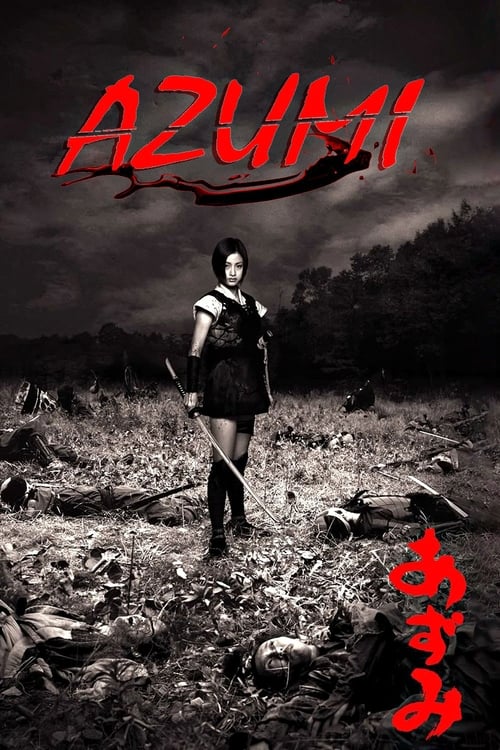
Azumi
2003
No user ratings available yet
Representation score: 6.3 out of 10
Representation Score
Limited
1993
Director
Akira Inoue
Runtime
120 minutes
Average Rating
No ratings yetNew Showbiz Analysis
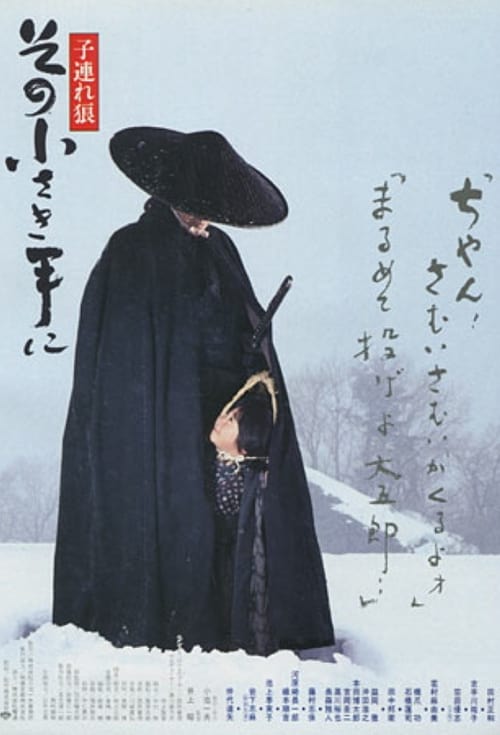
Lone Wolf and Cub: The Final Conflict is a character study of defiance against systemic corruption. It succeeds by deconstructing the myth of the honorable samurai, instead presenting a protagonist who must become an outlaw to find true justice. While the film excels at critiquing institutional power and the rigidity of feudal hierarchies, it lacks modern multi-layered depth. The narrative is anchored in a strictly traditional social structure. Ultimately, the film's strength lies in its moral relativism, challenging the perceived morality of state-mandated honor and providing a sophisticated look at the struggle between individual empowerment and monolithic authority.
Category Breakdown
The film centers on a traditional patriarchal structure and does not include any non-straight relationships or queer narratives.
Gender roles are traditional, with the wife primarily serving as a victim whose death triggers the protagonist's journey. The story lacks female empowerment and challenges to gender hierarchies.
Set in feudal Japan, the film is inherently homogeneous, focusing on a singular ethnic identity without promoting harmful stereotypes.
The film critiques cultural institutions like the Shogunate and Bushido, portraying these systems as oppressive and demanding irrational sacrifices for corrupt political goals.
There is no information available regarding the portrayal of physical or neurodivergent disabilities in this title.
Present on Screen
Limited or Absent
Official Synopsis
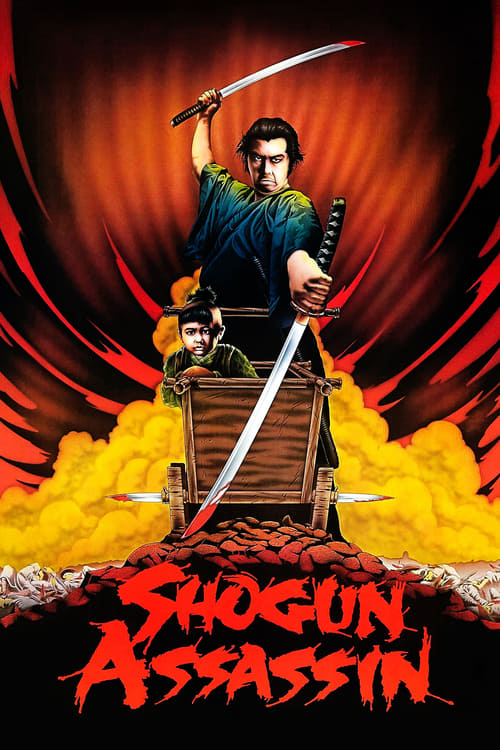
A noble samurai serving the Shogun as 'Kogi Kaishaku-nin' (Official Executioner) is the target of a plot by the evil Yagyu Clan to take away his position and replace him with a member of their own family. When his wife is murdered and evidence is produced that he was plotting against the Shogun the Code of Bushido calls for him and his son to commit sepuku. Instead he defies the Shogun's orders and takes up arms against his enemies, becoming an assassin for hire.
2003
1972

1996

1972
2003
1980

1972

1995
No reviews yet. Be the first to share your thoughts on this movie!
Use the rating form above to leave a star rating and optional review.