
Bikuu: The Movie
2015
No user ratings available yet
Representation score: 4.4 out of 10
Representation Score
Fair
1981
Director
Kinji Fukasaku
Runtime
122 minutes
Average Rating
No ratings yetNew Showbiz Analysis
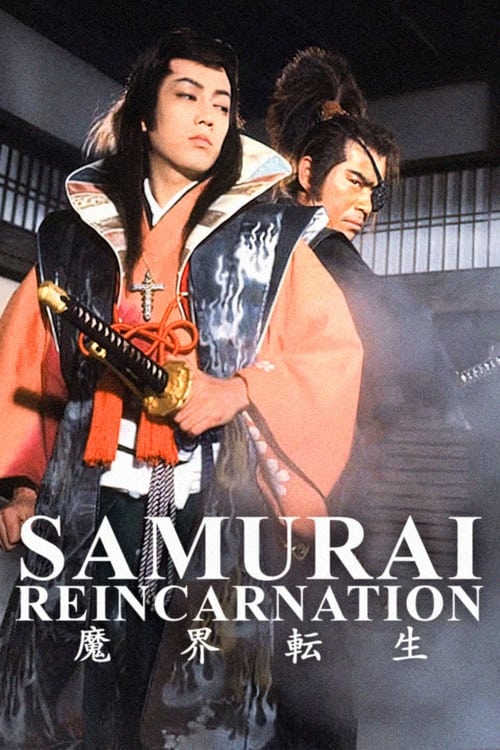
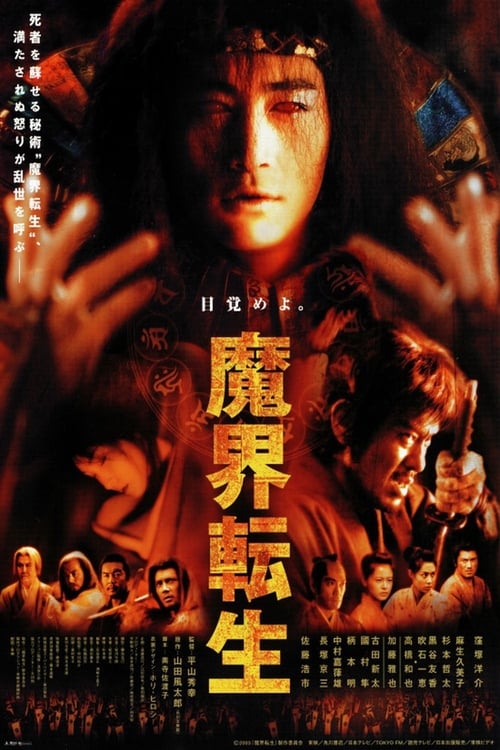
Samurai Reincarnation is a genre-driven film that prioritizes the deconstruction of social and religious institutions over demographic diversity. It excels at challenging the stability of traditional hierarchies and moral certainties through its dark, supernatural premise. However, the film lacks progressive representation. It adheres strictly to the masculine-centric clichés of the sword-fighting genre and the social norms of its historical setting, leaving little room for diverse gender or identity expressions. Ultimately, the film's complexity lies in its thematic subversion of the warrior archetype rather than its approach to inclusive casting or character diversity.
Category Breakdown
The film centers on a traditional masculine struggle involving spiritual pacts and martial combat. It does not include any non-cisgender identities or same-sex relationships.
Male warriors play prominent roles, while female characters have minor or supporting parts, reinforcing the gender norms of the time.
The cast is ethnically uniform, reflecting the historical context of the Edo period. It avoids whitewashing but does not feature diverse ethnic backgrounds.
The narrative critiques religious institutions by focusing on a protagonist who rejects God. It challenges the heroic samurai myth to question the feudal order.
Characters with visible or invisible disabilities do not have significant roles. The film emphasizes supernatural and martial abilities rather than addressing neurodivergence or physical disabilities.
Present on Screen
Limited or Absent
Official Synopsis
After surviving the slaughter of many Christians 350 years ago, a samurai denounces God for ignoring the pleas of believers. He sells his soul to Satan and receives the power to resurrect the dead to join him in a murderous rampage.
2015
1968

2023
1988

2004

1994
2003

2017
No reviews yet. Be the first to share your thoughts on this movie!
Use the rating form above to leave a star rating and optional review.