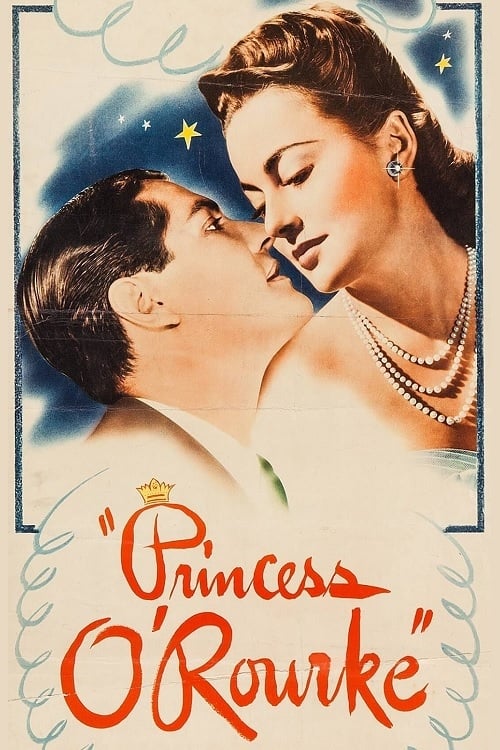
Princess O'Rourke
1943
No user ratings available yet
Diversity score: 2.8 out of 10
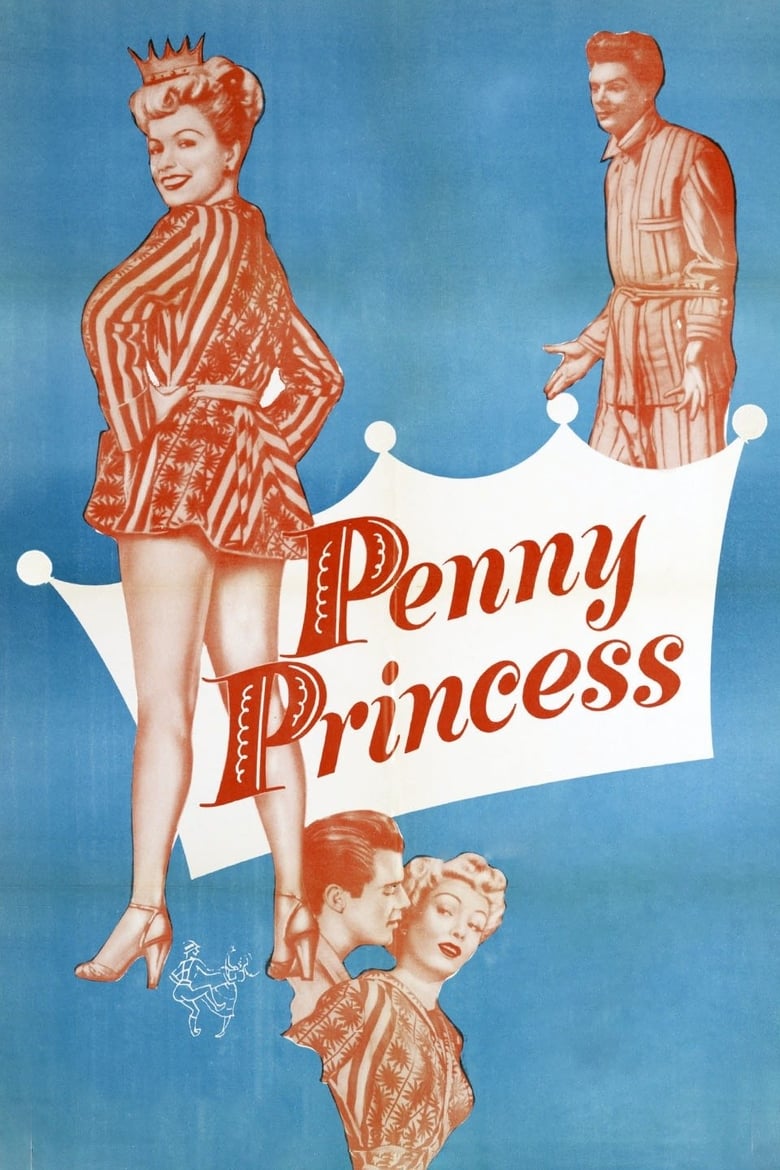
1952
NRDirector
Val Guest
Runtime
91 minutes
Average Rating
No ratings yetSynopsis
A tiny European country which for years has survived financially only through evading its bills and smuggling is finally facing bankruptcy, when a rich American agrees to save the place by buying it. But before, the deal is closed, he dies. His nearest relative and heir turns out to be a young woman with high ethical and democratic standards, but no experience with money, or affairs of state, or Europe. A charming young English visitor helps her to muddle through. Comedy and romance follow.
Overall Score
Limited
Category Breakdown
LGBTQ+ Representation
The film lacks any indication of non-heteronormative identities. The plot centers on a conventional romantic arc between the heiress and an English visitor.
Gender Representation
A young woman holds significant political and financial agency as the heir to a nation. However, her reliance on a male counterpart to navigate state affairs suggests traditional gender hierarchies remain.
Racial & Ethnic Diversity
The story focuses on a European setting and an American protagonist. This suggests a predominantly white, Western-centric cast with no evidence of diverse racial perspectives.
Religious & Cultural Diversity
The narrative explores themes of capitalism and statehood through a Western lens. It frames economic fragility through individual inheritance and romance rather than systemic critique.
Disability Representation
There is no evidence of characters with visible or invisible disabilities within the narrative.
Strengths
Areas for Improvement
AI Analysis
Penny Princess is a mid-century romantic comedy that utilizes a classic fish-out-of-water trope. While it offers a slight disruption of power dynamics by placing a woman in a position of state-level responsibility, the film remains firmly rooted in the social mores of 1952. The narrative architecture follows a traditional Western framework, focusing on Eurocentric settings and heteronormative romance. The central conflict is driven by individual inheritance and romantic interests rather than broader social or cultural critiques. Ultimately, the film reflects the era's cinematic constraints, prioritizing conventional storytelling over intersectional representation or the subversion of established social hierarchies.
1943
1934
1938
1938
1937
1951
1954
1932
1949
1954
1961
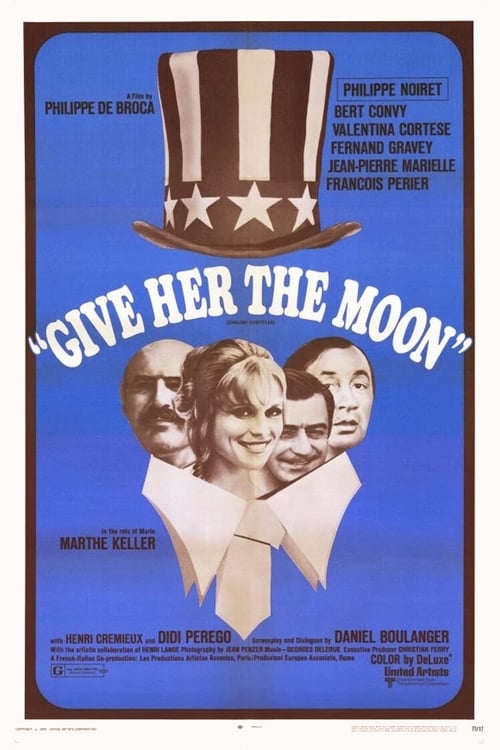
1970
No reviews yet. Be the first to share your thoughts on this movie!
Use the rating form above to leave a star rating and optional review.