
Le Grand Amour
1969
No user ratings available yet
Representation score: 3.0 out of 10
Representation Score
Limited
1954
Director
Jean-Paul Le Chanois
Runtime
104 minutes
Average Rating
No ratings yetNew Showbiz Analysis
This 1954 comedy serves as a typical domestic observation of its time. It prioritizes established social orders and traditional romantic archetypes common to mid-century French cinema. The film does not engage with diverse identities, focusing instead on the social dynamics of an urban apartment building. While it captures the nuances of class and domestic life, it upholds cultural hierarchies. Overall, the work reflects the social constraints of its era, providing a lighthearted look at a relatively homogeneous community.
Category Breakdown
The film follows a traditional romantic structure centered around a heterosexual couple. There is no evidence of LGBTQ+ identities or same-sex relationships.
The film features a female character working as an au pair to earn money, showcasing some women's ability to drive the story. However, the narrative heavily relies on mid-century romantic clichés.
Set in Montmartre during a specific era, the film suggests a predominantly white cast. It lacks visible diversity reflecting multiple aspects of identity.
The story focuses on nuclear family structures and domestic service. It celebrates communal living and social cohesion without critiquing Western institutions.
No characters are identified as having disabilities. A 'crazy' neighbor is mentioned, but this seems to refer to an eccentric personality rather than a disability.
Present on Screen
Limited or Absent
Official Synopsis
The residents of the apartment building on Rue Montmartre are a motley crew of oddballs and eccentrics. The daring son of a professor couple is in love with a sexy student who supplements her pocket money by working as an au pair. And then there's Monsieur Calomel, the crazy but helpful neighbor who's always ready with a funny face...
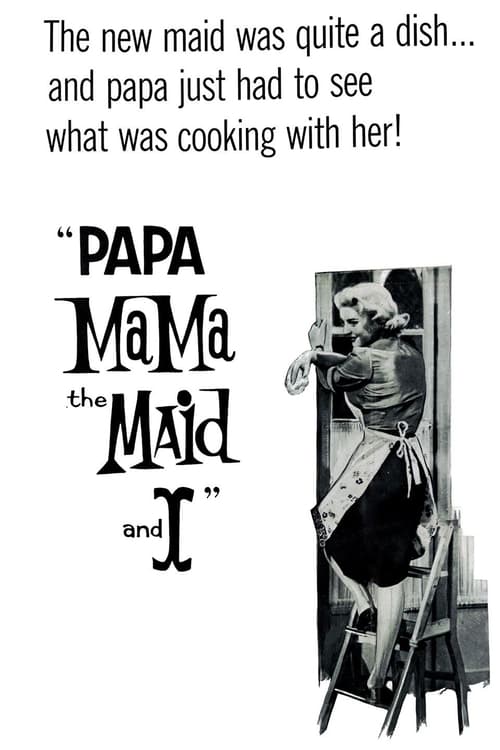
1969

1952

1974
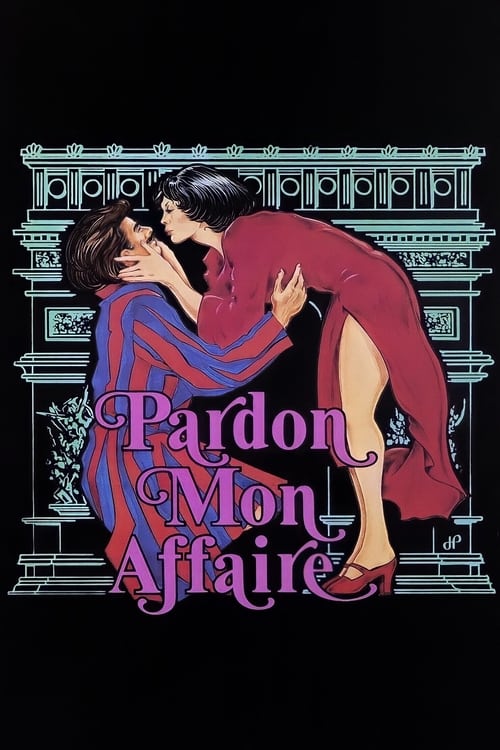
1976
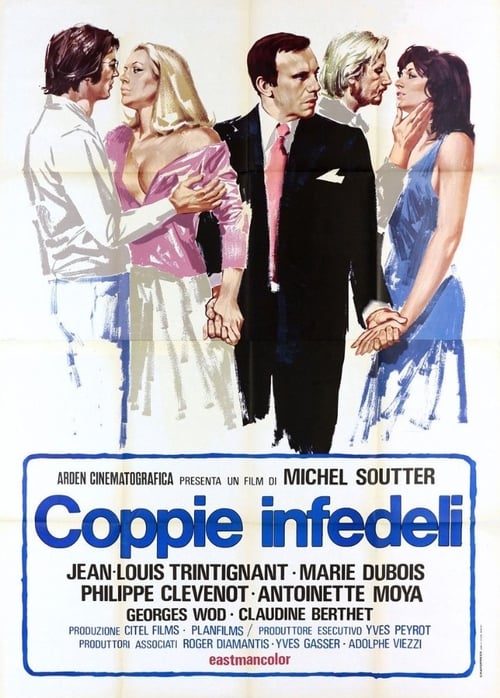
1974
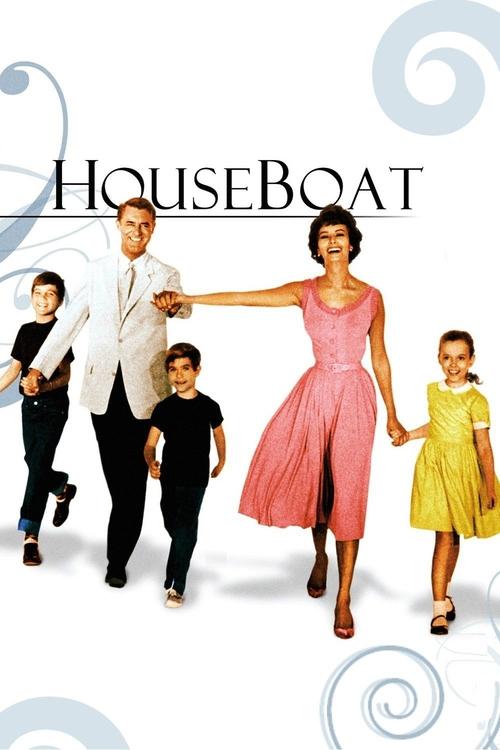
1958
1955
1947
No reviews yet. Be the first to share your thoughts on this movie!
Use the rating form above to leave a star rating and optional review.