Waltz Melodies
1938
No user ratings available yet
Diversity score: 1.4 out of 10
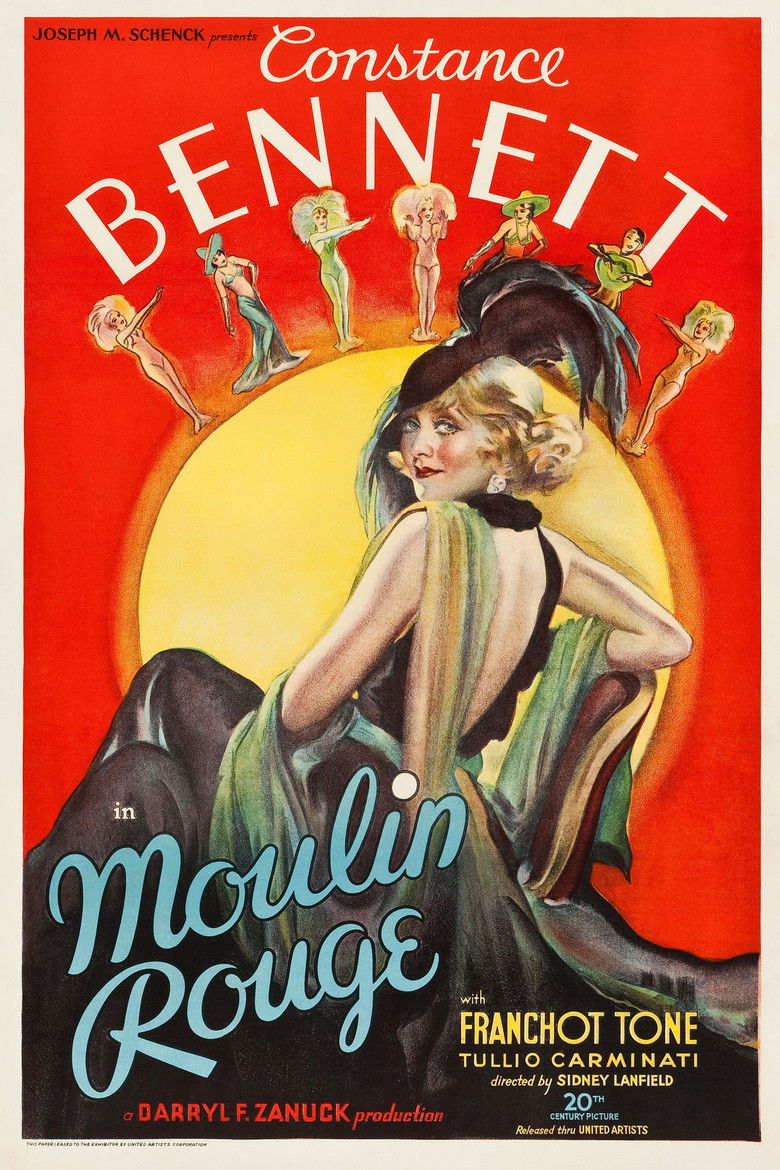
1934
ApprovedDirector
Sidney Lanfield
Runtime
70 minutes
Average Rating
No ratings yetSynopsis
A singer marries a famous composer, and after a while she gets the itch to go back on the stage. However, her husband won't let her. When she hears that a popular French singer named "Raquel" is coming to New York, she decides to go to Raquel with a plan--unbeknownst to her husband, "Raquel" is actually her sister, and her plan is for them to switch places so she can fulfill her dream of going back on the stage. However, things don't go quite as planned.
Overall Score
Minimal
Category Breakdown
LGBTQ+ Representation
The film lacks any discernible presence of queer subtext or non-cisnormative identities. Romantic arcs are centered entirely on heteronormative pairings.
Gender Representation
While the female protagonist initiates the plot, her agency is constrained by marital stability. The conflict stems from a husband's authority to restrict her professional autonomy.
Racial & Ethnic Diversity
The cast and setting reflect a homogeneous Western European demographic. There is no evidence of significant racial blending or non-white casting.
Religious & Cultural Diversity
The narrative promotes conventional romantic morality and traditional social order. It uses the cabaret setting for lighthearted entertainment rather than social commentary.
Disability Representation
The story focuses on able-bodied performers within a musical comedy framework. There are no characters with visible or invisible disabilities.
Strengths
Areas for Improvement
AI Analysis
Moulin Rouge (1934) serves as a period-specific artifact of the early sound era, prioritizing escapism and mistaken identity over social depth. The film adheres to the conservative social frameworks of its time, reinforcing established hierarchies rather than challenging them. The narrative structure relies on traditional romantic comedy tropes. It centers on heteronormative relationships and domestic roles, offering little room for intersectional complexity or diverse perspectives.
1938
1937

1938

1937

1932

1931
1935

1939

1934

1928

1945

1939
No reviews yet. Be the first to share your thoughts on this movie!
Use the rating form above to leave a star rating and optional review.