The Divorce of Lady X
1938
No user ratings available yet
Representation score: 1.4 out of 10
Representation Score
Minimal
1934
NRDirector
W.S. Van Dyke
Runtime
84 minutes
Average Rating
No ratings yetNew Showbiz Analysis
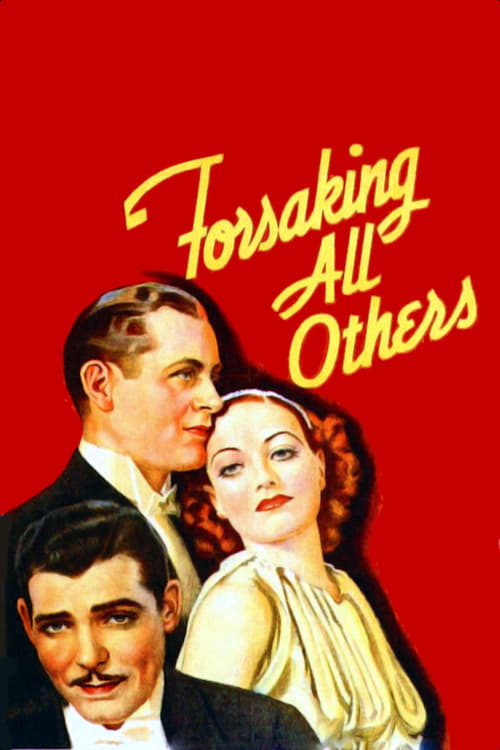
Forsaking All Others is a classic example of early Hollywood filmmaking. It emphasizes traditional romantic clichés and homogeneous social settings. The film upholds the social and gender hierarchies of the 1930s, lacking complexity in its portrayal of diverse identities and experiences. While the female lead drives the emotional storyline, the narrative remains confined by the era's strict social codes and traditional gender roles.
Category Breakdown
The film focuses on heterosexual relationships and does not include characters with non-cisgender identities or stories that challenge the assumption that everyone is straight.
The story centers on a female protagonist, but her role in driving the plot is largely defined by her relationships with men.
The cast and setting are homogeneous, with no evidence of diverse casting or inclusion of non-Anglo-Saxon characters in key roles.
The narrative explores the social customs and class expectations of its time, reinforcing traditional social structures and moral values.
There is no depiction of physical or neurodivergent disabilities. Characters are portrayed in a typical able-bodied context.
Present on Screen
Limited or Absent
Official Synopsis
A socialite only realises that her friend is in love with her when she falls for the wrong man.
1938
1934
1933
1933

1935
1939
1932
1937
No reviews yet. Be the first to share your thoughts on this movie!
Use the rating form above to leave a star rating and optional review.