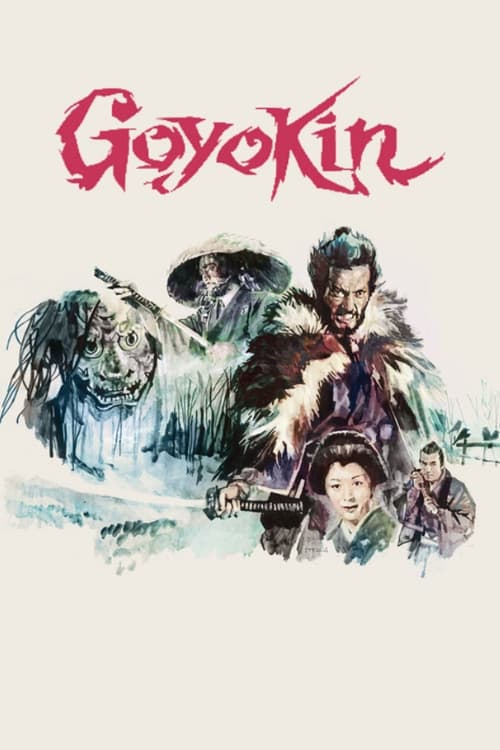
Goyokin
1969
No user ratings available yet
Representation score: 2.6 out of 10

Representation Score
Limited
1975
RDirector
Norifumi Suzuki
Runtime
87 minutes
Average Rating
No ratings yetNew Showbiz Analysis
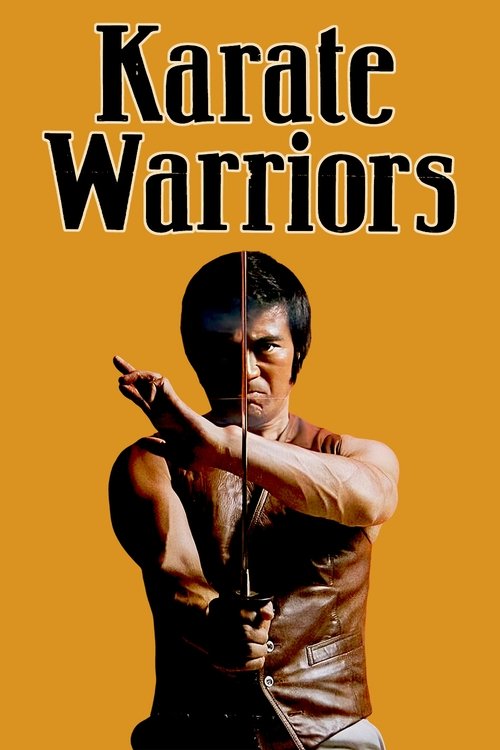
The Killing Machine is a traditional action film centered on justice and martial skills. It is rooted in the social instability of post-war Japan. While it avoids Western-centric hero clichés by using a non-Western setting, it remains anchored in conventional masculine and moral frameworks. The film's diversity is limited by its adherence to 1970s genre conventions, offering ethnic specificity without broader representation.
Category Breakdown
The film does not include any LGBTQ+ characters or narratives. It follows traditional gender and orientation norms typical of 1970s martial arts films.
The story revolves around a strong male protagonist who embodies traditional masculinity. He protects others while reinforcing the idea of the righteous warrior.
Set in post-war Japan, the film highlights a localized ethnic struggle in Shikoku, moving away from the Anglo-Saxon-centric narratives common in Western cinema.
The film critiques corrupt institutions in lawless post-war Japan. It explores individual morality against chaotic systems through a protagonist who operates outside formal legal structures.
There is no evidence of characters with visible or invisible disabilities being included in the narrative or given significant roles.
Present on Screen
Limited or Absent
Official Synopsis
Mr. Soh, a righteous man with a cold stare and fists of steel, returns to a lawless post-war Japan in 1946. He protects the weak, defends the poor and knocks some good sense into friends and enemies alike. Rapists and gangsters get the worst of it, as Mr. Soh builds up his school on the island of Shikoku.
1969
1962
1969

1972
1976
2018
1979
1980
No reviews yet. Be the first to share your thoughts on this movie!
Use the rating form above to leave a star rating and optional review.