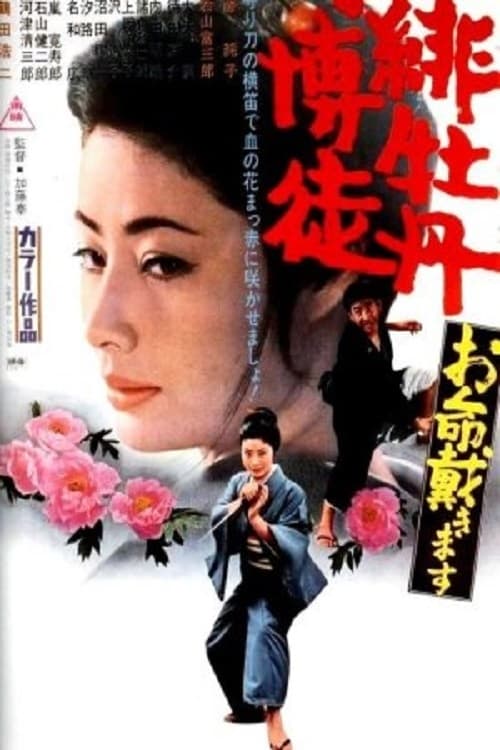
Lonely Star of Osaka
1980
No user ratings available yet
Representation score: 5.0 out of 10
Representation Score
Fair
1971
Director
Tai Katō
Runtime
93 minutes
Average Rating
No ratings yetNew Showbiz Analysis
Tai Katō’s film centers a female protagonist in a struggle against institutionalized greed, providing a strong sense of ability to act. While the film excels in gender representation and systemic critique, it remains bound by the demographic constraints of 1970s Japanese cinema. The lack of LGBTQ+ subtext and the homogeneous racial landscape reflect the era's storytelling norms. Ultimately, the film is a sophisticated social critique that prioritizes communal survival over capitalist expansion, using a female lead to challenge predatory socio-economic systems.
Category Breakdown
The film follows a traditional dramatic arc centered on a singular protagonist. There are no LGBTQ+ characters or representations of non-straight relationships.
Oryu serves as the primary driver of the plot, challenging conventional gender roles. She actively intervenes against male-dominated power structures to protect her community.
The film depicts a culturally homogeneous Japanese society consistent with its historical setting. It offers a non-Western perspective but lacks modern multicultural casting elements.
The story critiques established power structures, pitting the protagonist against corrupt politicians and greedy factory owners. It highlights themes of environmental degradation and communal survival.
The narrative contains no mention of characters with visible or invisible disabilities.
Present on Screen
Limited or Absent
Official Synopsis
The seventh chapter of the stunning Hibotan Bakuto series. Many years have passed since Oryu the Red Peony began her soul-searching journey after her father was killed. In her travels, she meets villagers whose crops and livelihoods are being destroyed by pollution from a local factory. They seem to work out an agreement, but Oryu must help the poor villagers when the greedy factory owner and corrupt politicians betray them…
1980

1972
1968
1974
1960
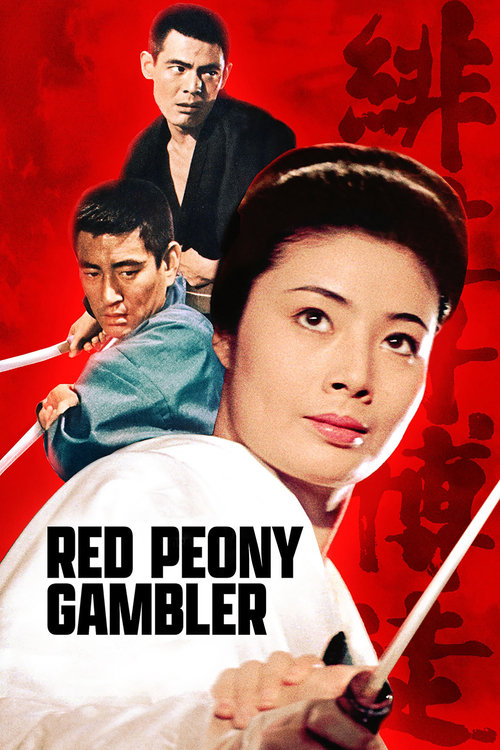
1968

1975
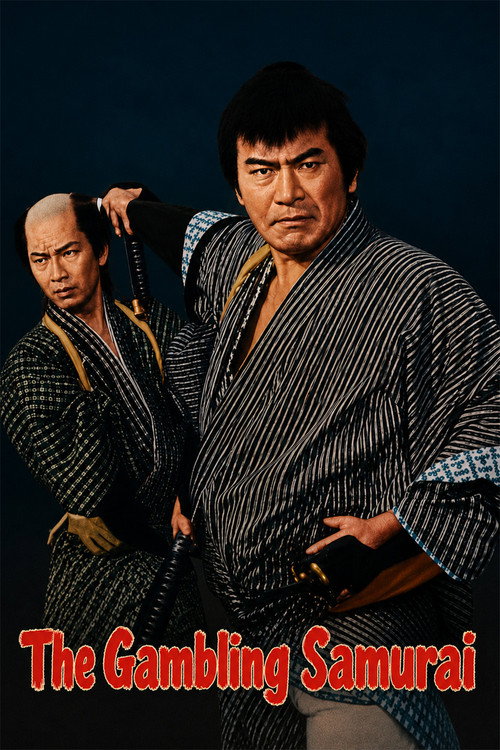
1960
No reviews yet. Be the first to share your thoughts on this movie!
Use the rating form above to leave a star rating and optional review.