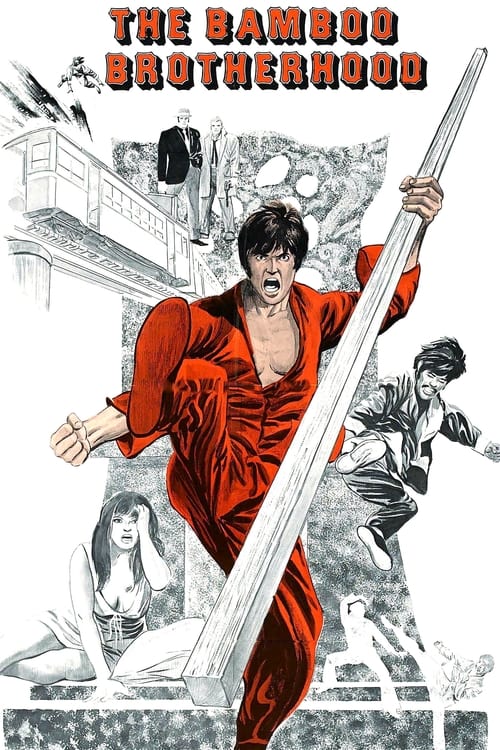
Bamboo Brotherhood
1974
No user ratings available yet
Representation score: 3.4 out of 10
Representation Score
Fair
1979
Director
To Man-Bo
Runtime
91 minutes
Average Rating
No ratings yetNew Showbiz Analysis
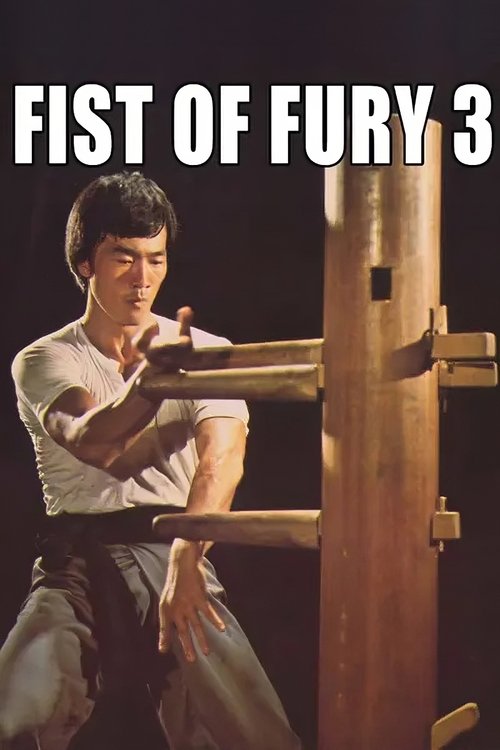
Fist of Fury 3 is a genre-driven exploration of ethnic resistance. It successfully centers East Asian ability to act against colonial oppression, providing a strong counter-narrative to Western-centric clichés. However, the film adheres to traditional social structures. Gender roles are conventional, with female characters relegated to suffering and male characters driving the action. While the film offers meaningful racial and ethnic representation, it lacks LGBTQ+ characters and nuanced portrayals of disability.
Category Breakdown
The film does not include any LGBTQ+ characters or stories. The plot revolves around traditional masculine conflicts and family ties, without representing non-straight identities.
Gender roles follow traditional hierarchies. Female characters are limited to roles defined by grief and vulnerability, while male characters drive the plot.
The story centers on a Chinese protagonist fighting against Japanese occupiers. This provides significant representation of East Asian struggles during historical conflicts and challenges Western-centric narratives.
The film explores anti-colonial sentiments and historical grievances. However, it remains rooted in traditional concepts of familial honor and restorative justice through violence.
The protagonist's mother is blind. Her disability serves as a narrative device to heighten emotional stakes but does not show her acting independently.
Present on Screen
Limited or Absent
Official Synopsis
After avenging the death of his brother, Chen Shen (Bruce Li) returns home from Shanghai. He tells his mother (who went blind from crying over her son's death) that he will no longer fight. However, being a movie with the words "fist" and "fury" in the title, Chen doesn't keep his promise for very long. Japanese occupiers who are aware of Chen's history terrorize his family by, among other things, vandalizing his mother's store and beating up his brother. Later, they frame Chen for a murder. After the Japanese boss arrives in town and causes a ruckus, Chen breaks out of jail for a final confrontation.
1974

1972

1973
1967
1980
1981
1977
1971
No reviews yet. Be the first to share your thoughts on this movie!
Use the rating form above to leave a star rating and optional review.