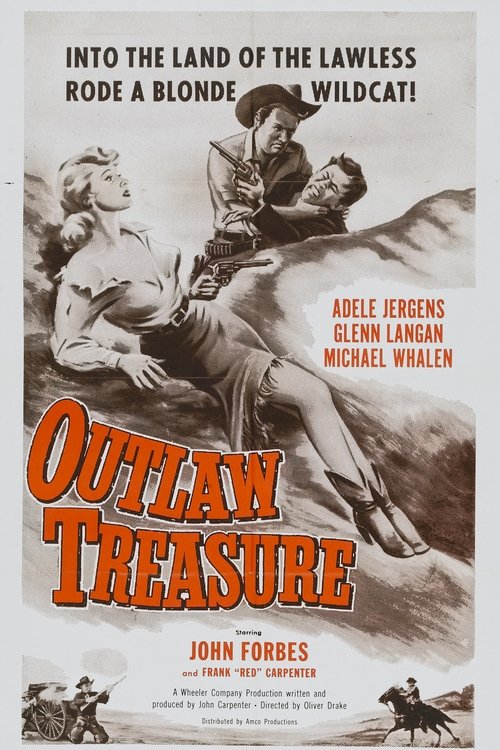
Outlaw Treasure
1955
No user ratings available yet
Diversity score: 2.5 out of 10
1948
ApprovedDirector
Oliver Drake
Runtime
56 minutes
Average Rating
No ratings yetSynopsis
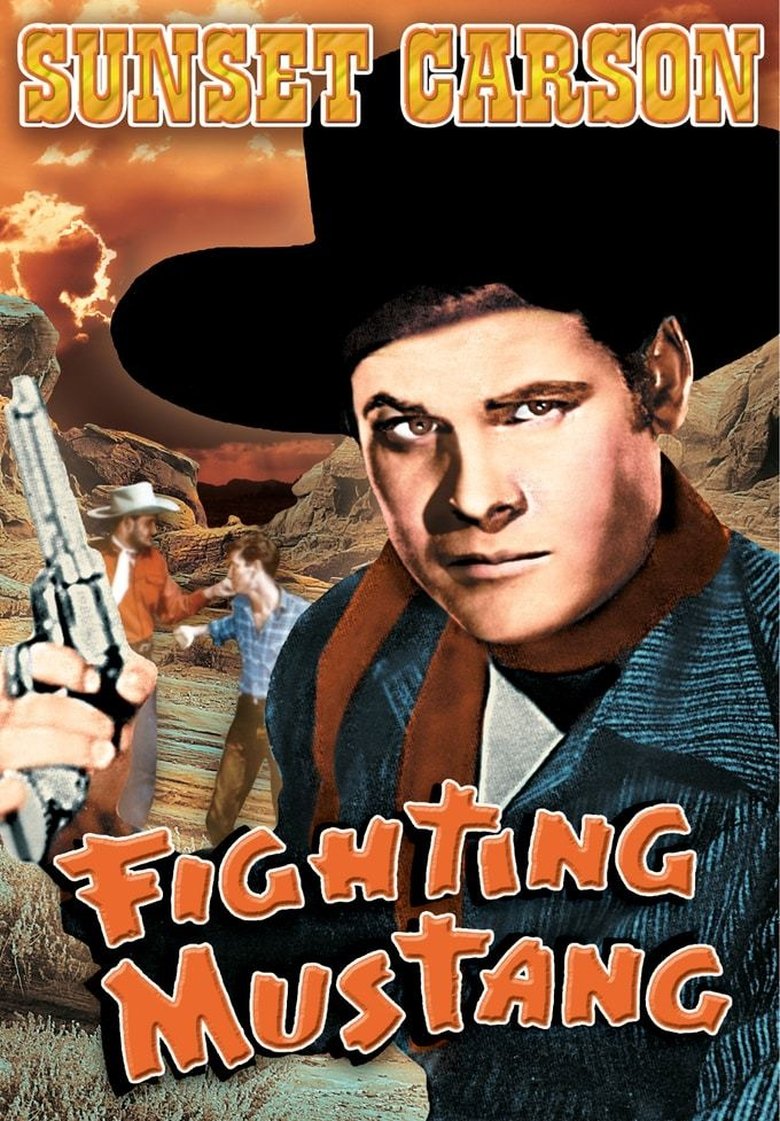
Filmed back-to-back with three other Sunset Carson vehicles in 1947, this Yucca Pictures Western starred the former Republic cowboy as a Texas Ranger chasing a gang of rustlers into the notorious outlaw territory of Three Corners. Attempting to sabotage the proposed annexation of the territory, desperado Bart Dawson (Stephen Keyes) and his men ambush Sunset and his young trainee Jed (Al Terry). The villains, who have been terrorizing pretty trading post operator Helen Bennett (Patricia Starling), are eventually defeated by the rangers in a violent gun battle and the planned annexation takes place on schedule. For all intents and purposes, the handsome but wooden Sunset Carson ended his screen career with this series of extremely low-budget Westerns, originally filmed in 16mm and released by that dumping ground of Poverty Row flotsam, Astor Pictures.
Overall Score
Minimal
Category Breakdown
LGBTQ+ Representation
The film adheres to standard 1940s heteronormative structures. There is no indication of non-cisnormative identities or narratives that critique traditional gender roles.
Gender Representation
Agency is held by male protagonists driving the plot through physical conflict. Female characters like Helen Bennett appear primarily as victims requiring protection, reinforcing traditional tropes.
Racial & Ethnic Diversity
The narrative focuses on Texas Rangers and outlaws, reflecting the homogeneous demographic norms of 1940s studio Westerns. It centers on Anglo-American perspectives within the territory.
Religious & Cultural Diversity
The story reinforces traditional Western institutions like law and order. The plot resolution supports the establishment of institutional structures through successful territorial annexation.
Disability Representation
The film focuses on physical prowess and combat. There is no mention of characters with visible or invisible disabilities.
Strengths
Areas for Improvement
AI Analysis
Fighting Mustang is a quintessential Poverty Row B-Western that prioritizes formulaic genre tropes over social commentary. The narrative architecture relies heavily on established hierarchies of gender and authority, with agency almost exclusively reserved for the male leads. The film functions as a reinforcement of traditional Western values and institutional stability. It offers minimal disruption to the social or cultural norms of its era, focusing instead on the binary conflict between law enforcement and criminals. Ultimately, the production serves a commercial purpose, fulfilling specific genre expectations rather than exploring complex social intersections or diverse identities.
1955
1950

1953
1961
1956
1930
1948

1949
1940

1948
1943
1946
No reviews yet. Be the first to share your thoughts on this movie!
Use the rating form above to leave a star rating and optional review.