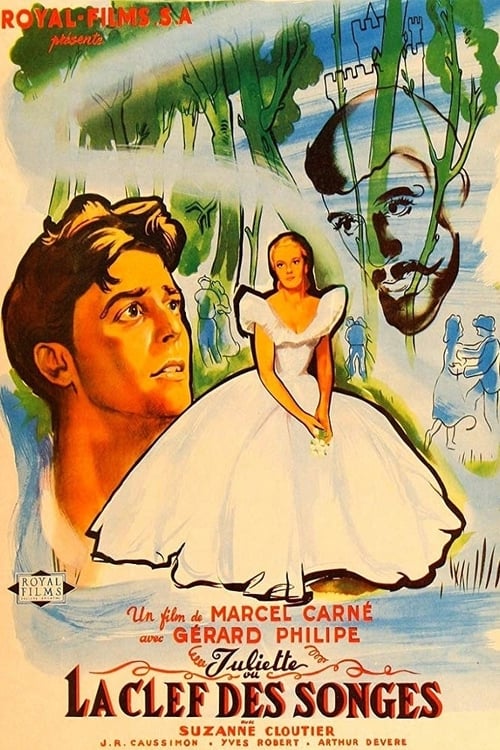
Juliette, or Key of Dreams
1951
No user ratings available yet
Representation score: 2.8 out of 10
Representation Score
Limited
1946
Not RatedDirector
Jean Cocteau
Runtime
96 minutes
Average Rating
No ratings yetNew Showbiz Analysis
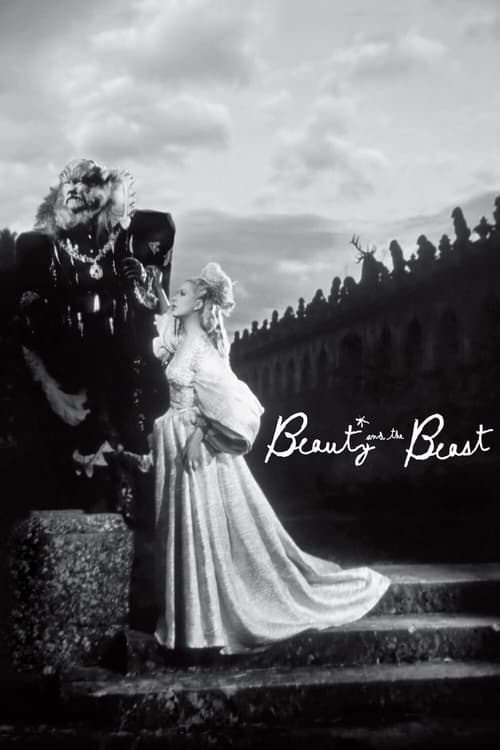
Jean Cocteau’s film stands out for its use of surrealism to challenge traditional storytelling. By focusing on dream-like logic and internal perceptions, it defies conventional social hierarchies and rationalist narratives. However, the film reflects the demographic limitations of its time, lacking diversity and relying on traditional romantic frameworks. While it avoids certain clichés about physical differences, it still follows a conventional transformation arc. Overall, the film emphasizes the subjective experience of beauty and desire, prioritizing aesthetic subversion over contemporary standards of inclusive representation.
Category Breakdown
The film adheres to a traditional romantic storyline without any representation of LGBTQ+ identities or subtext.
Belle is portrayed as an active and emotionally driven character, but she primarily serves as a catalyst for male transformation.
The cast is predominantly white, reflecting the European context of the time period. The film does not include diverse racial or ethnic representation.
Cocteau employs dream-like logic to challenge rigid moralism and societal norms. The film focuses on personal transformation rather than cultural or religious critique.
The Beast embodies physical difference without being reduced to inspirational stories. His condition is presented as a mysterious element rather than a subject of ridicule.
Present on Screen
Limited or Absent
Official Synopsis
The story of a gentle-hearted beast in love with a simple and beautiful girl. She is drawn to the repellent but strangely fascinating Beast, who tests her fidelity by giving her a key, telling her that if she doesn't return it to him by a specific time, he will die of grief. She is unable to return the key on time, but it is revealed that the Beast is the genuinely handsome one. A simple tale of tragic love that turns into a surreal vision of death, desire, and beauty.
1951
1950
1922
1948
1945
1960
1935
1951
No reviews yet. Be the first to share your thoughts on this movie!
Use the rating form above to leave a star rating and optional review.