Chiruri
2011
No user ratings available yet
Representation score: 3.0 out of 10
Representation Score
Limited
2015
PG-13Director
Del Kathryn Barton, Brendan Fletcher
Runtime
13 minutes
Average Rating
No ratings yetNew Showbiz Analysis
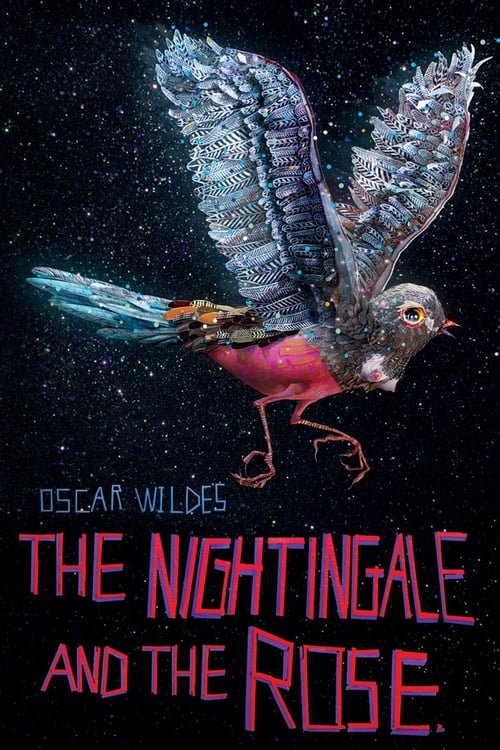
This adaptation of Oscar Wilde's classic tale prioritizes philosophical and visual experimentation over modern identity politics. It serves as an allegorical exploration of idealism versus materialism rather than a vehicle for diverse representation. The film's strength lies in its subversion of traditional romantic expectations, particularly through the rejection of the student's romantic gesture. However, it remains rooted in classical archetypes and lacks depth in representing diverse identities. Ultimately, the work provides a nuanced critique of social values while failing to offer significant representation for LGBTQ+, racial, or disabled communities.
Category Breakdown
The film follows a traditional romantic storyline between a student and a female interest, without including same-sex relationships or non-straight identities.
The story focuses on conventional romantic dynamics and a male protagonist's journey. However, it challenges typical gender roles by showing the female character rejecting the student's advances.
The film's fairy-tale setting emphasizes allegorical characters rather than diverse human representation. Racial and ethnic diversity is not a priority in this visual style.
The narrative critiques materialism and social vanity. It contrasts the Nightingale's idealism against a superficial, materialist human world, challenging capitalist-driven social exchanges.
There are no characters with visible or invisible disabilities in the film, nor are there any meaningful portrayals of such individuals.
Present on Screen
Limited or Absent
Official Synopsis
A nightingale bird discovers a true lover when she witnesses a young university student talk with great passion about his beloved. The Nightingale goes on a quest to find the red rose the Student needs win his lovers heart, but this comes at a chilling price. Based on the classic fairytale by Oscar Wilde.
2011
1994
1954
2014
1992
2020
2020
2011
No reviews yet. Be the first to share your thoughts on this movie!
Use the rating form above to leave a star rating and optional review.