Beauty and the Beast
1946
No user ratings available yet
Representation score: 3.8 out of 10
Representation Score
Limited
1951
Director
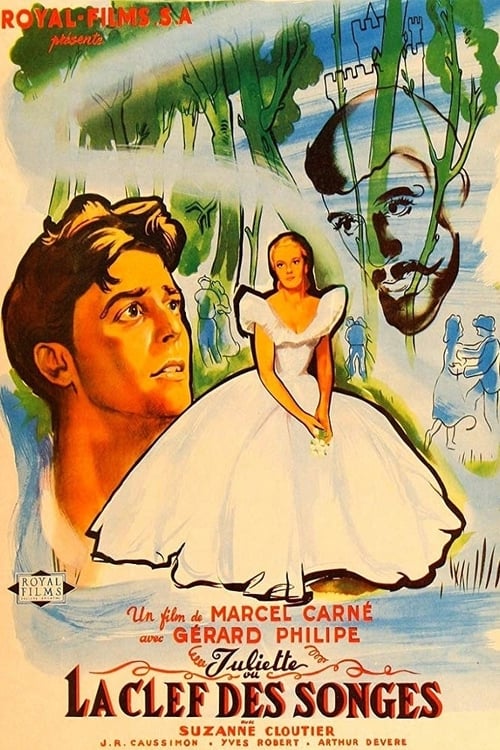
Marcel Carné
Runtime
100 minutes
Average Rating
No ratings yetNew Showbiz Analysis
Marcel Carné’s work emphasizes atmospheric subjectivity and psychological depth over contemporary multi-layered frameworks. Its strength lies in poetic realism and the subversion of reality through a dream-like narrative structure. While the film lacks broad demographic diversity, it challenges the social norms of its time by focusing on the internal experiences of its female protagonist. It operates as a character-driven story rather than a vehicle for identity politics. Ultimately, the film is a product of its era, reflecting the cultural homogeneity of mid-century Europe while providing a nuanced exploration of women's ability to drive the story within a traditional setting.
Category Breakdown
The film follows a traditional mid-century romantic storyline without depicting same-sex relationships or non-cisgender identities. It focuses on heterosexual relationships and tensions.
Juliette is a central figure whose emotions and decisions significantly impact the plot. She demonstrates strong ability to act, but her interactions with a powerful, potentially controlling male character highlight ongoing patriarchal influences.
The film reflects the demographic makeup of 1951 France, featuring a cast and setting that align with the period's cultural homogeneity.
The narrative centers on romantic ideals and the constraints of small-town life. It stays within the Western romantic tradition, emphasizing personal morality over broader cultural critiques.
There are no visible representations of physical or neurological differences. The story emphasizes psychological and romantic themes over the depiction of specific disabilities.
Present on Screen
Limited or Absent
Official Synopsis
Michel has stolen from his employer, Mr Bellanger, for the love of Juliette. He is now in jail. One night, while sleeping in his cell, he wakes up all of a sudden, the gates open and he finds himself in a strange village where all the inhabitants have lost their memory. There, meets Juliette again who seems to agree to marry a powerful man, who might well be Bluebeard...
1946
1921
1935
1951
1922
1948
1945
1923
No reviews yet. Be the first to share your thoughts on this movie!
Use the rating form above to leave a star rating and optional review.