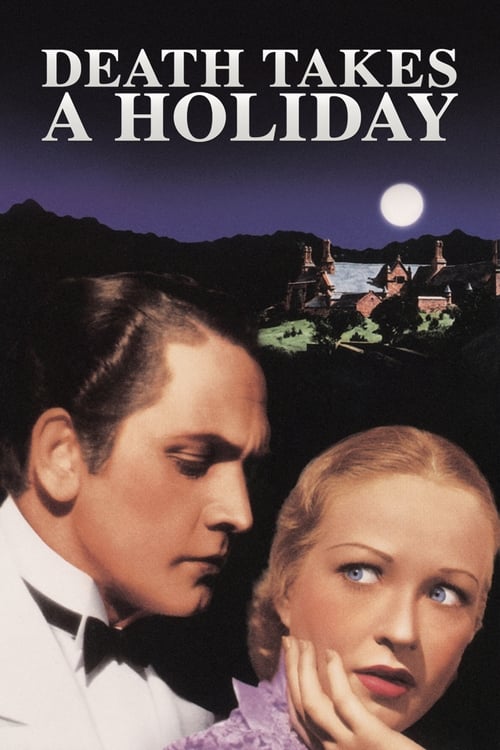
Death Takes a Holiday
1934
No user ratings available yet
Representation score: 0.8 out of 10

Representation Score
Minimal
1971
Director
Robert Butler
Runtime
73 minutes
Average Rating
No ratings yetNew Showbiz Analysis
Death Takes a Holiday is a character-driven drama focused on existential themes. It operates within the stylistic and social norms of its era, emphasizing individual journeys over broader social issues. The narrative centers on a male protagonist's existential quest, with Death personified as a key figure. While there is a romantic subplot, it does not challenge traditional social hierarchies. The film reflects the homogeneous casting practices typical of early 1970s television.
Category Breakdown
The film centers on a romantic relationship between Death and a young woman, following traditional romance formulas without showing non-straight relationships.
The story revolves around a male protagonist's existential journey. A female lead influences his growth, but her role is closely tied to his personal development.
The cast is mostly white, reflecting 1970s casting norms. The setting and characters are homogeneous, lacking diverse representation.
The story delves into philosophical and existential themes without critiquing Western institutions or traditional family structures.
There are no characters with visible or invisible disabilities. Disability is not used as a narrative device or plot point.
Present on Screen
Limited or Absent
Official Synopsis
Death takes a human form and visits Earth to try to find out why humans want so desperately to cling to life. He unexpectedly falls in love with a beautiful young woman.
1934
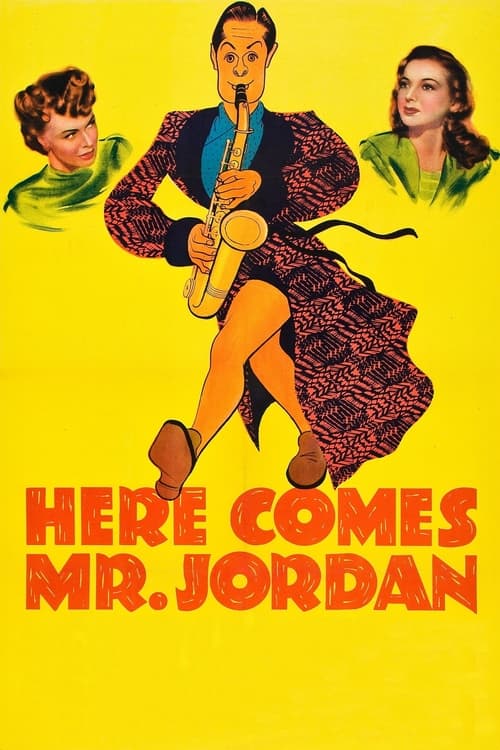
1941
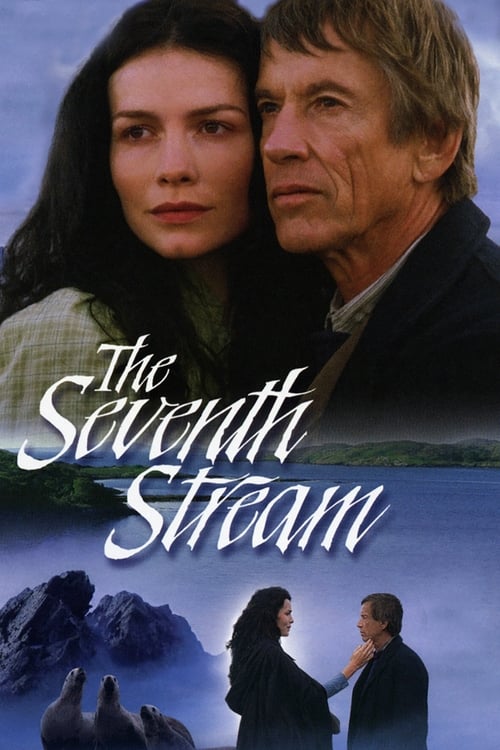
2001
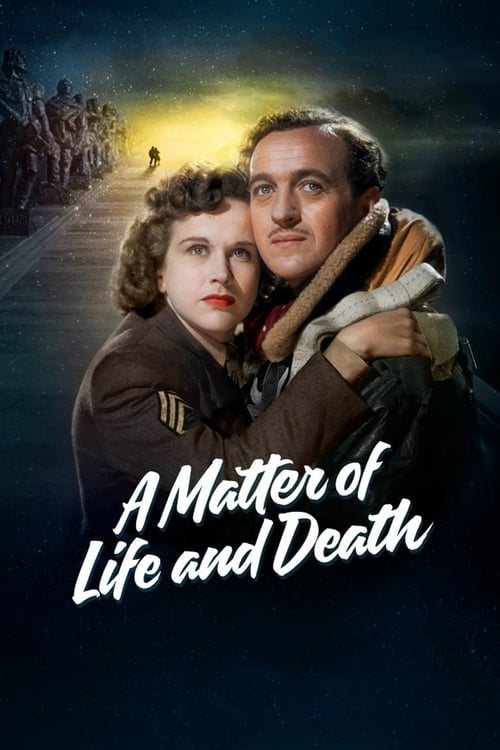
1946
1998
1950

1998
1991
No reviews yet. Be the first to share your thoughts on this movie!
Use the rating form above to leave a star rating and optional review.