The Enchanted Cottage
1945
No user ratings available yet
Representation score: 3.2 out of 10
Representation Score
Minimal
1935
ApprovedDirector
Henry Hathaway
Runtime
88 minutes
Average Rating
No ratings yetNew Showbiz Analysis
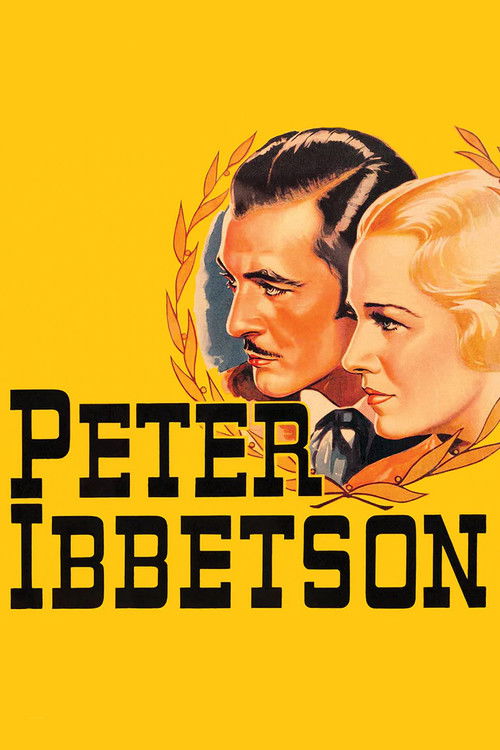
Peter Ibbetson is a classic 1930s period drama that emphasizes traditional romanticism and melodrama. The narrative centers on the metaphysical bond between lovers to overcome class barriers, yet it does not challenge the underlying 19th-century social order. The film upholds the social and cultural hierarchies of its time. While it provides a nuanced look at the emotional impact of class disparity and wrongful conviction, it lacks the complexity needed to disrupt traditional storylines. Overall, the production reflects mid-century cinematic values, favoring established social hierarchies and a homogeneous cast over progressive social changes.
Category Breakdown
The film follows a strictly heterosexual and cisgender framework. It does not depict any LGBTQ+ identities or same-sex relationships.
The female lead plays a significant emotional role but her story revolves around her relationship with the male protagonist. Gender dynamics are centered on male-driven conflicts and societal norms.
The cast is primarily white and Anglo-Saxon, reflecting the 19th-century European setting. The film does not include diverse ethnic perspectives or actors from different backgrounds.
The story explores systemic injustice through wrongful conviction but focuses on class disparities as tragic obstacles for romance rather than structures to be challenged.
There are no prominent depictions of physical or neurodivergent disabilities that play central roles in the narrative.
Present on Screen
Limited or Absent
Official Synopsis
When his mother dies, young Peter Ibbetson leaves Paris and his best friend, Mary, behind to live with a severe uncle in England. Years later, Peter is an architect with little time for women, until he begins a project with the Duke and Duchess of Towers. When Peter and the duchess become great friends, she reveals that she is Mary — but the duke soon suspects his wife of infidelity and challenges Peter to a duel, threatening the pair's second chance.
1945
1946
1951

1923

1940
1951
1935
1939
No reviews yet. Be the first to share your thoughts on this movie!
Use the rating form above to leave a star rating and optional review.