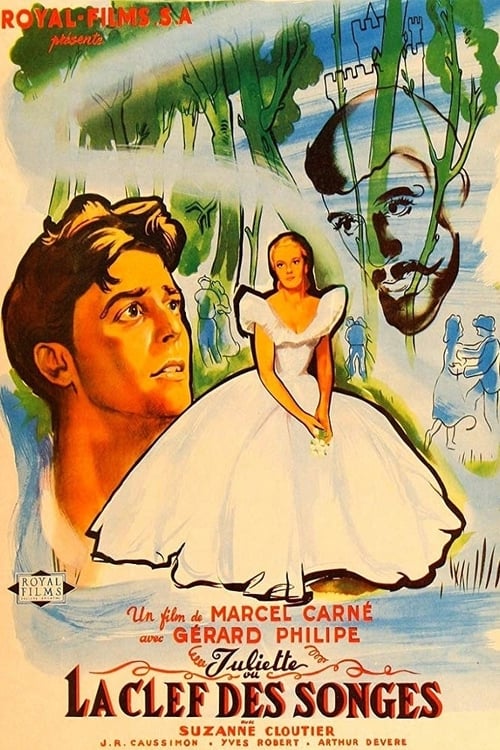
Juliette, or Key of Dreams
1951
No user ratings available yet
Representation score: 2.8 out of 10

Representation Score
Good
1972
Not RatedDirector
Jean Genet
Runtime
26 minutes
Average Rating
No ratings yetNew Showbiz Analysis
Jean Genet’s work fundamentally questions traditional morality and institutional authority. By focusing on the emotional bond between two isolated men, the film challenges conventional views of romance and identity. The film effectively critiques Western institutions by portraying the prison system as oppressive. This allows for a nuanced look at how individuals can find ability to act within restrictive environments. While the film does not provide specific information about racial diversity, it offers a detailed exploration of the psychological impacts of isolation. It shifts the focus from physical dominance to the internal experiences of its characters.
Category Breakdown
The film focuses on the strong, non-traditional relationship between two male prisoners. This portrayal of queer desire as a form of resistance challenges the typical expectations of romance.
The movie breaks away from traditional masculine stereotypes by highlighting vulnerability and emotional sensitivity. It moves towards a more fluid expression of masculinity that emphasizes feelings over toughness.
There is insufficient evidence to determine the racial composition of the cast or the presence of specific ethnic narratives.
The film criticizes Western institutions by depicting the prison system as inherently oppressive. It highlights how individuals can resist corrupt systems even when confined.
The story examines the psychological effects of isolation and sensory deprivation. It portrays the characters' mental struggles with depth, avoiding the use of these conditions merely as plot devices.
Present on Screen
Limited or Absent
Official Synopsis
Two prisoners in complete isolation, separated by the thick brick walls, and desperately in need of human contact, devise a most unusual kind of communication.
1951

1950
1945

1938

2015
1948

1985
1949
No reviews yet. Be the first to share your thoughts on this movie!
Use the rating form above to leave a star rating and optional review.