Bear's Kiss
2002
No user ratings available yet
Representation score: 3.6 out of 10
Representation Score
Good
1980
Director
Yurii Illienko
Runtime
83 minutes
Average Rating
No ratings yetNew Showbiz Analysis
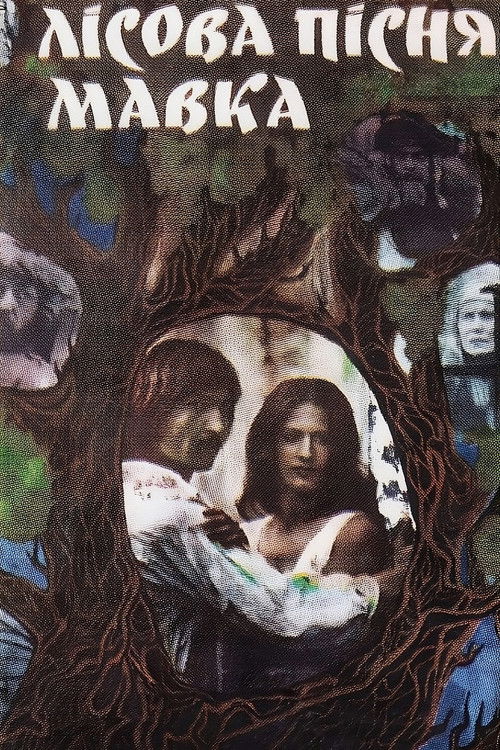
A Story of the Forest: Mavka is a culturally rich production that grounds its fantasy in specific Ukrainian folklore. It challenges Western-centric clichés by centering indigenous mythological archetypes and a non-Western worldview. The film excels in its gender dynamics, placing a female spirit at the emotional center of the story. This disrupts traditional hierarchies, emphasizing female resilience over rigid social expectations placed on the male protagonist. However, the narrative remains tied to a straight-centered romantic structure. While it deconstructs social institutions like marriage, it does not explore queer identities or provide representation for characters with disabilities.
Category Breakdown
The main storyline revolves around the romantic relationship between Mavka and Lukash. There is no explicit portrayal of LGBTQ+ identities or same-sex intimacy in the primary character arcs.
Mavka drives the plot through her strong presence and emotional resilience, challenging traditional gender roles. Kilina serves as a contrast to traditional femininity, highlighting social tensions.
The film centers on Ukrainian folklore, using mythological archetypes to represent an indigenous connection to the land.
The story explores the conflict between the spiritual world and restrictive human social structures. It suggests a worldview where natural laws take precedence over human-made societal norms.
There is no mention of characters navigating physical or neurodivergent disabilities. Mythological transformations function as metaphors rather than depictions of disability.
Present on Screen
Limited or Absent
Official Synopsis
Mavka, a water nymph, loves Lukash, a country youth. Their brief happiness ends when Lukash is forced to marry the shrewish Kilina. The spirit of the forest turns Lukash into a wolf as punishment for his infidelity. The strength of Mavka's love breaks the spell, but Kilina curses the nymph, transforming her into a weeping willow. This beautiful and tragic story is based on a play written in 1912 by Lesya Ukrainka, a Ukrainian poet, writer and political, civil and female activist, and includes mythological characters taken from Ukrainian folklore.
2002
1946
1922
1965
1968
1984
1948
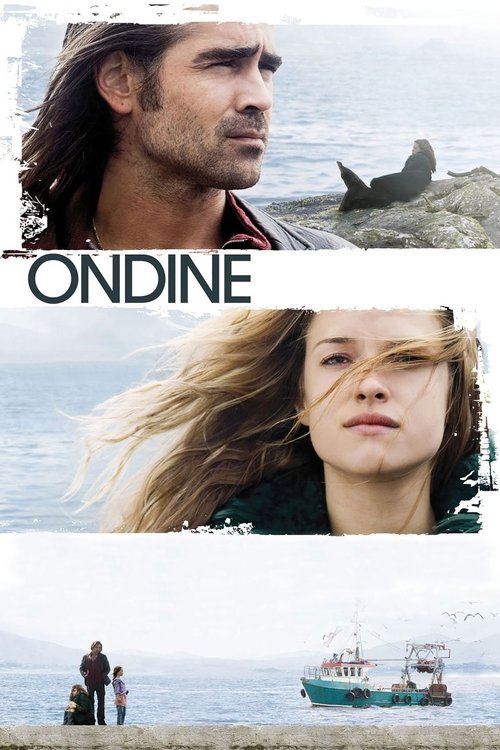
2010
No reviews yet. Be the first to share your thoughts on this movie!
Use the rating form above to leave a star rating and optional review.