Don't Die Without Telling Me Where You're Going
1995
No user ratings available yet
Representation score: 5.2 out of 10
Representation Score
Fair
2010
UnratedDirector
Manoel de Oliveira
Runtime
97 minutes
Average Rating
No ratings yetNew Showbiz Analysis
Manoel de Oliveira’s film is a modern exploration of art and obsession, emphasizing intellectual rigor over identity-focused narratives. Its focus on a stylized, 19th-century European setting leads to a homogeneous cast that aligns with period demographics. While the film does not offer characters who reflect more than one aspect of diversity, it provides a sophisticated critique of gender through the lens of theatrical construction. However, it remains traditional in its study of romantic longing, lacking engagement with systemic hierarchies or diverse social identities.
Category Breakdown
The film focuses on a romantic relationship between Isaac and Angélica, which is centered around heterosexual relationships. There are no representations of LGBTQ+ identities or same-sex intimacy.
Angélica plays a key role in driving the psychological changes in the story, rather than being a passive character. The film examines femininity as a constructed, theatrical performance that challenges traditional gender roles.
The cast is uniform, reflecting a stylized 19th-century European appearance. While the film does not whitewash historical figures, it does not actively challenge historical racial hierarchies either.
The narrative emphasizes aesthetic and metaphysical themes rather than socio-political issues. It avoids religious dogma, focusing instead on a dream-like morality found through art.
There are no characters with visible or invisible disabilities in the film. The protagonist's psychological obsession is portrayed as romantic fatalism rather than a representation of neurodivergence.
Present on Screen
Limited or Absent
Official Synopsis
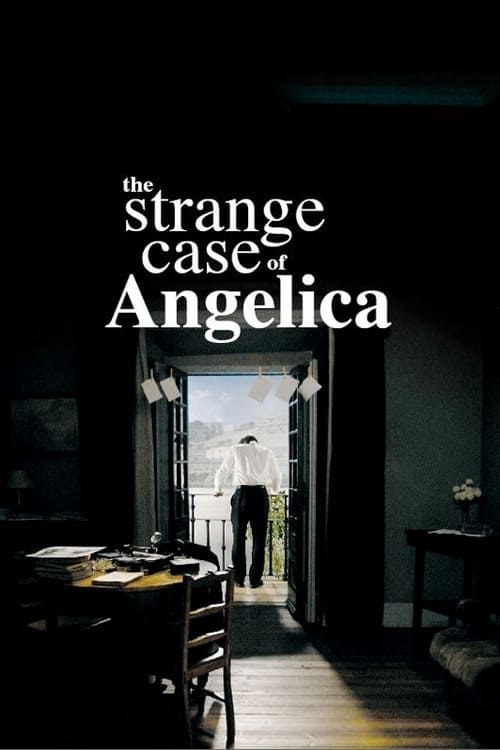
A photographer, Isaac, is asked by hotel owners to take portraits of their recently deceased daughter Angélica. When he looks at her through the lens of his camera, she appears to come back to life just for him. He instantly falls in love with her. From that moment, he will be haunted by Angélica day and night.
1995

1976
2009
1928

1971

2004

2013
2017
No reviews yet. Be the first to share your thoughts on this movie!
Use the rating form above to leave a star rating and optional review.