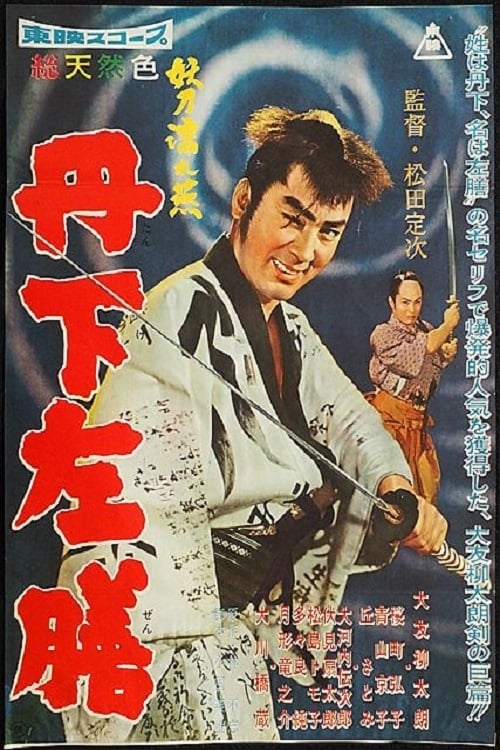
Return of the One-Armed Swordsman
1960
No user ratings available yet
Representation score: 4.1 out of 10
Representation Score
Fair
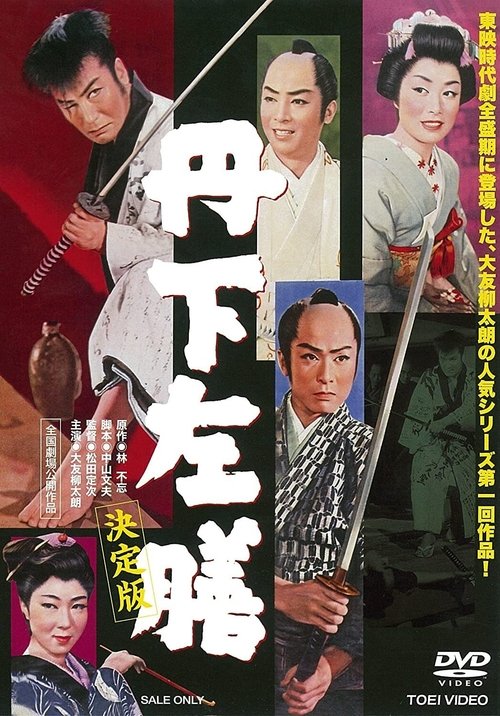
1958
Director
Sadatsugu Matsuda
Runtime
99 minutes
Average Rating
No ratings yetNew Showbiz Analysis
The film reflects the social norms of 1958 Japan, lacking modern multi-layered diversity and not critiquing established institutions. However, it stands out through its portrayal of a disabled protagonist. Tange Sazen, a one-eyed and one-armed swordsman, defies expectations of physical perfection within the martial arts genre. Ultimately, the film's impact is defined by its adherence to period-specific patriarchal and cultural structures while offering a rare example of a actively leading disabled lead.
Category Breakdown
The film adheres to the social constraints of 1950s Japanese cinema. It lacks any representation of LGBTQ+ identities or non-assuming gender matches what was assigned at birth gender expressions, focusing instead on traditional masculine archetypes.
The narrative operates within a patriarchal framework centered on male-dominated power struggles. Female characters largely occupy supporting roles that reinforce conventional gender hierarchies.
As a domestic production, the cast is ethnically homogeneous. While it lacks modern multi-layered diversity, it serves as a foundational piece of Japanese cultural folklore without promoting Western-centric norms.
The story is deeply rooted in traditional Japanese values like clan loyalty and martial discipline. It reinforces established social structures and lineage through a binary morality of duty versus treachery.
The protagonist, a one-eyed and one-armed swordsman, provides significant representation. He possesses immense ability to act, using his physical limitations as a foundation for his identity.
Present on Screen
Limited or Absent
Official Synopsis
One of Japan’s most popular folklore characters, Tange Sazen, the one-eyed and one-armed swordsman, must rescue the Yagyu clan from the treachery of a master plotting to take control over a sword fighting school.
1960
1962
1957
1972
1961

1969
1959

1960
No reviews yet. Be the first to share your thoughts on this movie!
Use the rating form above to leave a star rating and optional review.