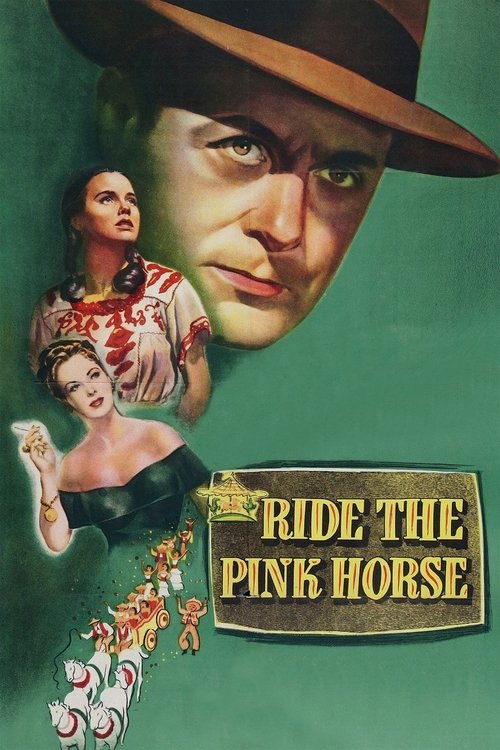
Ride the Pink Horse
1947
No user ratings available yet
Representation score: 0.5 out of 10
Representation Score
Minimal
1946
NRDirector
Lew Landers
Runtime
73 minutes
Average Rating
No ratings yetNew Showbiz Analysis
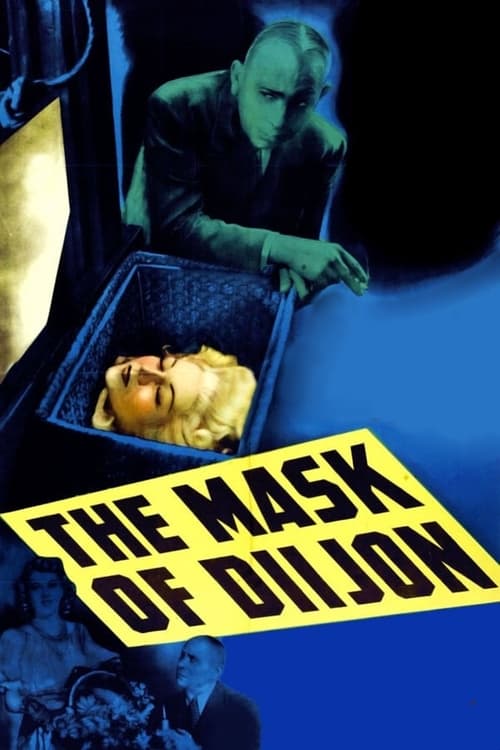
The Mask of Dijon is a typical mid-century mystery-thriller that prioritizes genre-driven pacing over social exploration. The narrative centers on a traditional revenge plot, focusing on a male illusionist's professional humiliation. By adhering to standard 1940s studio production values, the film lacks complexity in representing diverse identities. The story operates within a narrow framework of personal vengeance rather than challenging social hierarchies or exploring diverse backgrounds. Overall, the film reflects the demographic homogeneity of its time, focusing on a singular character arc rather than a diverse ensemble.
Category Breakdown
The film does not include any characters with LGBTQ+ identities. The story revolves around a single protagonist's quest for revenge without delving into queer themes.
The central conflict is driven by a male illusionist. The story structure emphasizes a traditional focus on male control and professional competition.
The setting suggests a European-focused mystery. The film likely follows the homogeneous casting standards of 1940s Hollywood, prioritizing Western European stereotypes.
The plot explores personal morality and grievances. There is no indication of secular or anti-institutional themes in the story.
There is no mention of neurodivergence or physical disabilities. Mental health conditions are not used as central narrative elements or character traits.
Present on Screen
Limited or Absent
Official Synopsis
A stage illusionist plots a revenge after a particularly humiliating comeback attempt.
1947

1940
1945
1954
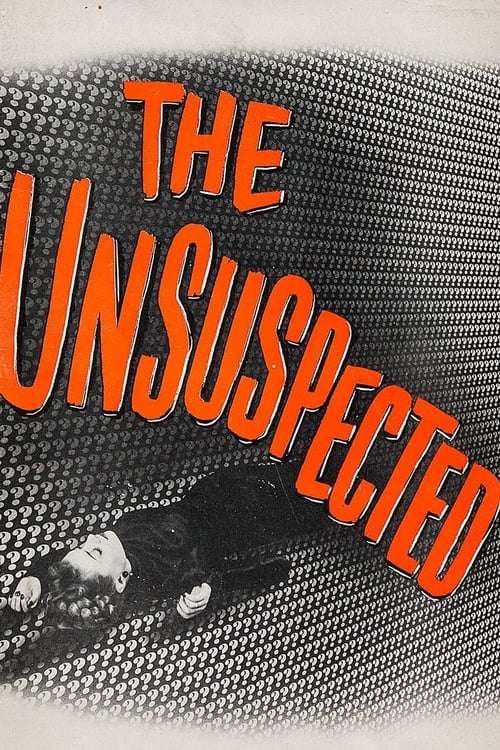
1947
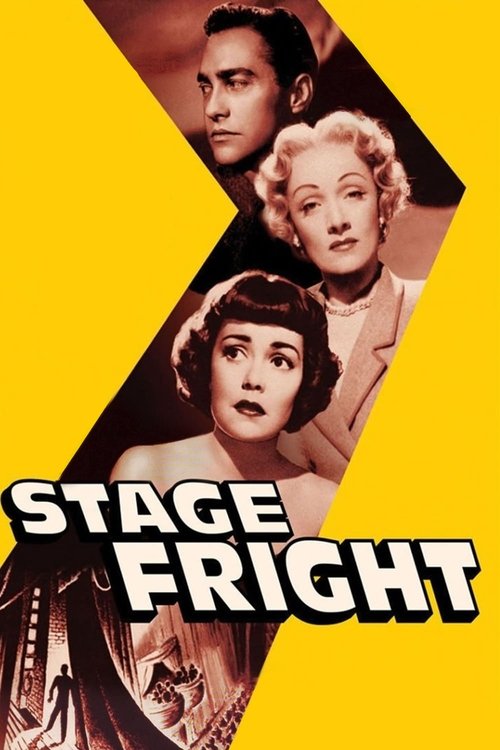
1950
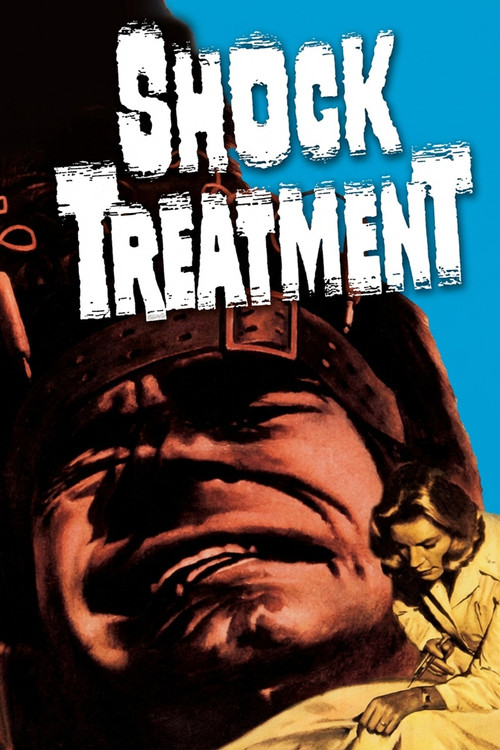
1964
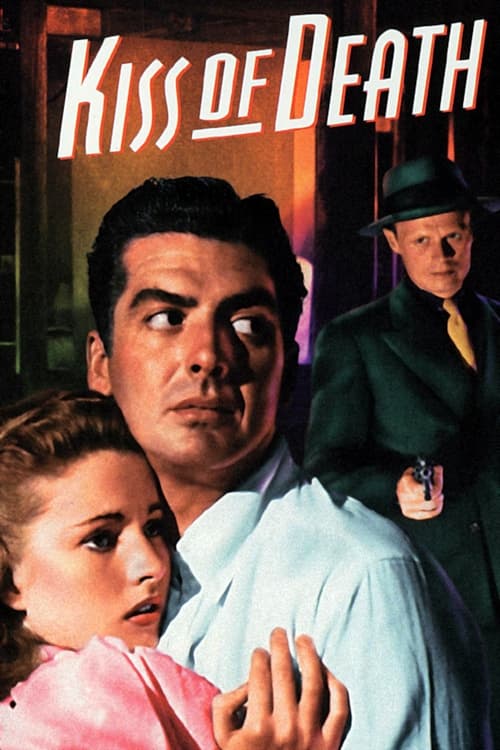
1947
No reviews yet. Be the first to share your thoughts on this movie!
Use the rating form above to leave a star rating and optional review.