The Mind Reader
1933
No user ratings available yet
Diversity score: 2.8 out of 10
1932
NRDirector
George Archainbaud
Runtime
59 minutes
Average Rating
No ratings yetSynopsis
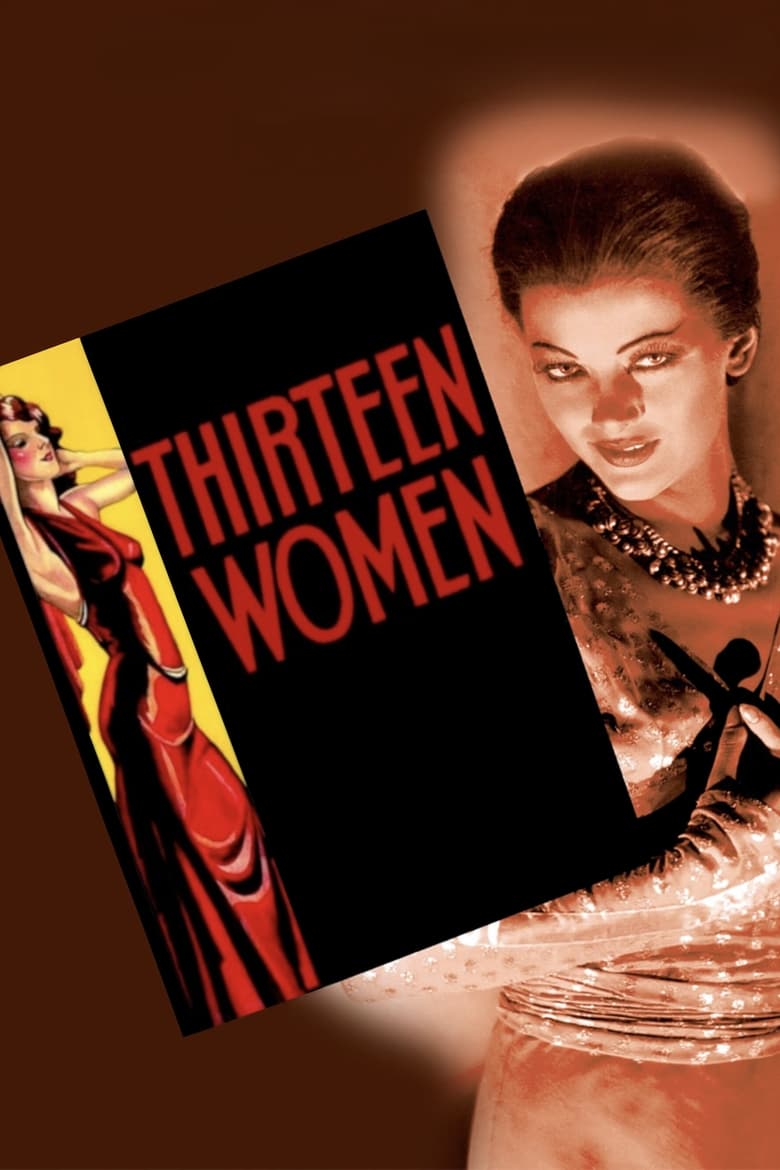
Thirteen women who were schoolmates ask a swami to cast their horoscopes. The news they receive is not good for any of them.
Overall Score
Fair
Category Breakdown
LGBTQ+ Representation
The film lacks explicit LGBTQ+ characters or non-heteronormative identities. The narrative focuses on the shared plight and solidarity of the female ensemble without queer subtext.
Gender Representation
The story subverts traditional hierarchies by centering a collective of women within a male-dominated penal system. These characters drive the plot through organized decision-making and agency.
Racial & Ethnic Diversity
The cast is predominantly white and homogeneous, reflecting the production standards of 1932. There is no evidence of significant racial diversity or non-white characters.
Religious & Cultural Diversity
The film critiques institutional authority by framing criminal cooperation as an act of communal solidarity. It prioritizes interpersonal loyalty over rigid, state-sanctioned morality.
Disability Representation
There is no discernible representation of physical or neurodivergent disabilities. Characters are defined by their socioeconomic status as inmates rather than through disability.
Strengths
Areas for Improvement
AI Analysis
Thirteen Women is a pre-Code drama that functions as a study of collective female agency. While it adheres to the demographic limitations of the early 1930s, it offers a sophisticated deconstruction of traditional power structures through its narrative architecture. The film's strength lies in its gender dynamics, shifting power away from patriarchal authority by centering a group of women who prioritize loyalty to one another over legal structures. This elevates the work from a standard crime drama into a study of resistance. However, the film remains limited by the era's social constraints, showing almost no racial, LGBTQ+, or disability representation. It is a homogeneous production that finds its progressive value primarily through its focus on female solidarity and institutional critique.
1933

1948

1935
1954
1934
1934
1945
1921
1929

1958
1933
1945
No reviews yet. Be the first to share your thoughts on this movie!
Use the rating form above to leave a star rating and optional review.