
Little Lise
1930
No user ratings available yet
Diversity score: 2.7 out of 10

1948
NRDirector
Frank Borzage
Runtime
90 minutes
Average Rating
No ratings yetSynopsis
Stigmatized from infancy by the fate of his criminal father, a man is bruised and bullied until one night, in a fit of rage, he kills his most persistent tormentor. As the police close in around him, he makes a desperate bid for the love of the dead man’s girlfriend, a schoolteacher who sees the wounded soul behind his aggression.
Overall Score
Limited
Category Breakdown
LGBTQ+ Representation
The film lacks any evidence of non-heteronormative identities or same-sex intimacy. The romantic tension follows traditional gendered dynamics.
Gender Representation
The female lead, a schoolteacher, serves as the narrative's moral compass. She possesses significant agency, acting as an intellectual authority who sees the protagonist's true character.
Racial & Ethnic Diversity
The setting and character archetypes suggest a period-typical homogeneity. There is no indication of a non-Anglo-Saxon majority cast or diverse ethnic perspectives.
Religious & Cultural Diversity
The story challenges social institutions by prioritizing internal truth over rigid legalistic judgments. It deconstructs the stigma of inherited criminality through a nuanced lens.
Disability Representation
There is no documented evidence regarding the portrayal of physical, sensory, or neurodivergent disabilities in this narrative.
Strengths
Areas for Improvement
AI Analysis
Moonrise is a psychological drama that prioritizes emotional complexity over demographic breadth. It succeeds in subverting the 'criminal' trope by focusing on the protagonist's struggle against systemic social labeling and inherited stigma. While the film offers a sophisticated critique of how society enforces predetermined roles, it remains limited by the era's lack of intersectional representation. The narrative focus is narrow, centering on a traditional romantic arc and a singular psychological struggle. Ultimately, the film provides a nuanced study of redemption and social hierarchy, even as it lacks the diverse identity-specific representation expected in a modern context.
1930

1954

1965

1963
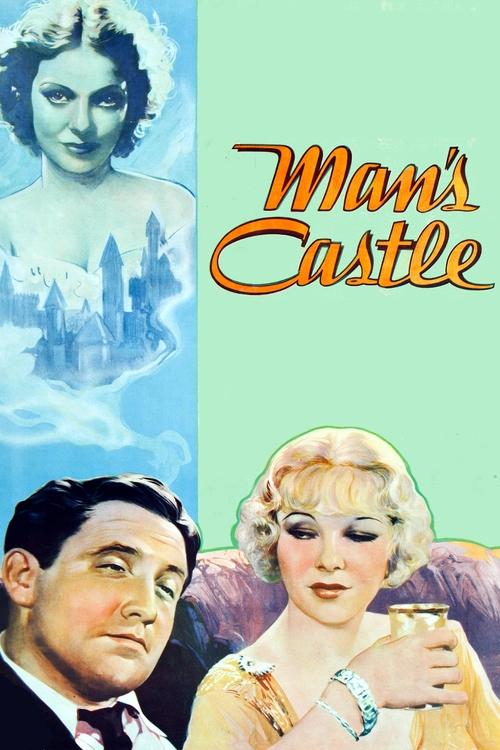
1933

1950

1949

1948

1946
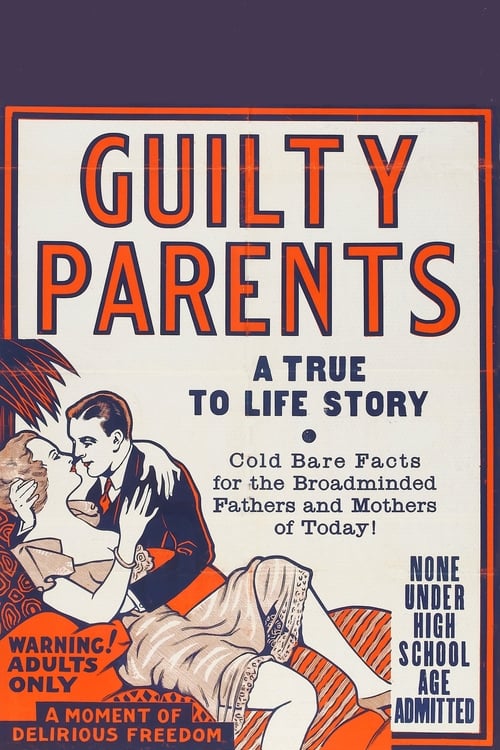
1934

1949

1938
No reviews yet. Be the first to share your thoughts on this movie!
Use the rating form above to leave a star rating and optional review.